
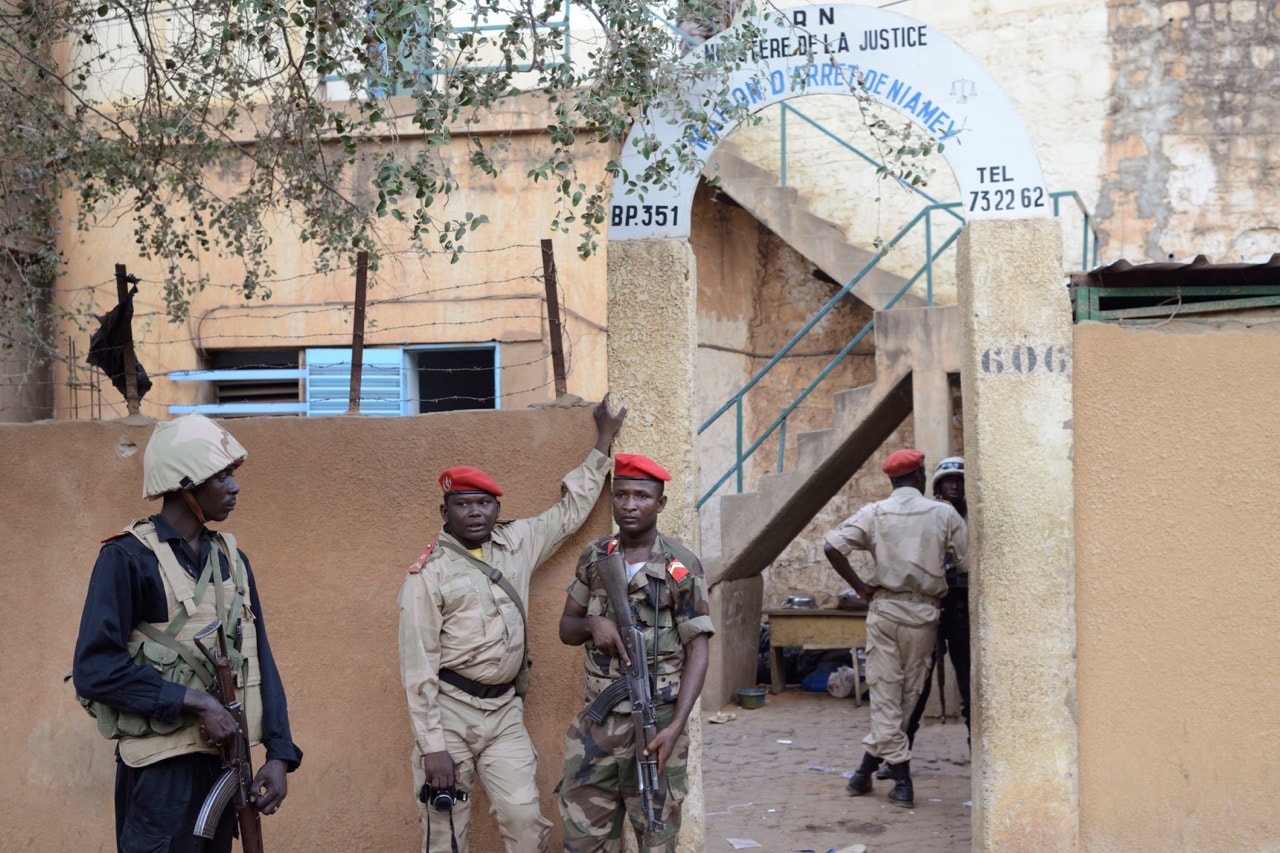
In the heart of Niger’s capital, a prison designed for a bygone era is buckling under the weight of a modern judicial crisis.
Built in 1947 under French colonial rule, the Niamey central prison was intended to house 400 inmates.
Today, it holds nearly 1,900—stretching its capacity to a staggering 416 percent.
The overcrowding paints a vivid picture of a justice system in distress.
During a recent visit by Justice Minister Alio Daouda, prison warden Commander Abdourahamane Foutah revealed that the vast majority of those behind bars—roughly 1,500 out of 1,895 residents—have not actually been convicted of a crime.
They are detainees caught in a legal limbo, waiting months or even years for their day in court.
The “cramped and deteriorating” conditions have fueled growing frustration among the inmate population.
While authorities acknowledge the backlog, the prisoners themselves point to a sluggish judiciary as the primary culprit.
To address the crisis, the government has been working on a replacement facility since 2017.
The new 1,500-capacity prison, valued at 12.5 billion CFA francs, is designed to modernize detention and finally retire the colonial-era structure.
However, construction has yet to provide the immediate relief the capital so desperately needs.
Just 40 kilometers away, the high-security Koutoukale prison—which houses militants and high-risk offenders—has become a flashpoint for violence.
Nationwide, Niger’s 40 prisons hold nearly 16,000 people.
The situation became so dire that following the 2023 coup, junta leader Abdourahamane Tiani slashed sentences for over 10,000 inmates, effectively releasing nearly half of them to prevent a total collapse of the penal system.
The detention crisis reflects a broader regional trend across West Africa.
As Niger navigates its political transition, the state of its prisons remains a stark reminder that judicial reform is just as urgent as physical infrastructure.