
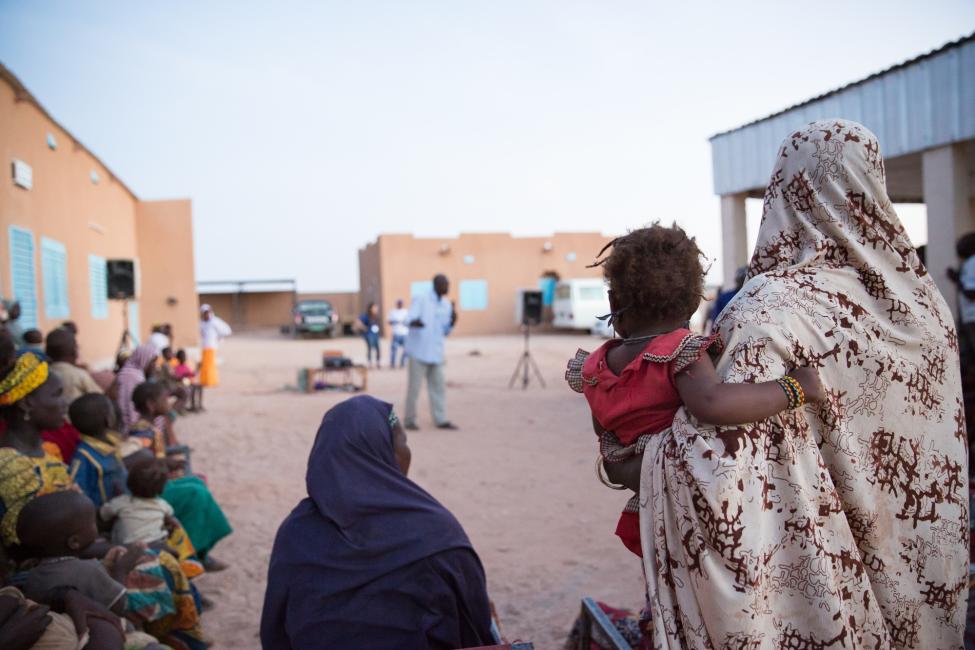
An anti-trafficking forum held in Zinder, Niger, on June 16 brought together transport operators, community leaders and local officials to strengthen local prevention efforts.
The meeting, which coincided with the Day of the African Child, focused on improving community-based warning and referral systems to identify and respond to trafficking risks more effectively.
Organised under the leadership of the Zinder regional governor, the event was supported by Niger’s national anti-trafficking agency and the International Organization for Migration.
Zinder lies along key migration routes, leaving residents—particularly women and children—exposed to exploitation and trafficking networks.
Regional Governor Massalatchi Mahaman Sani stressed that administrative and security measures alone are not sufficient without active community participation as a first line of defence.
Recent international figures indicate that women and girls make up 69 percent of trafficking victims assisted in Niger’s transit areas.
Children account for 37 percent of victims, with many facing forced labour, sexual exploitation and coercion into street begging.
Transport workers, due to their constant presence on migration routes, are often among the first to detect suspicious movements and irregular travel patterns.
The forum sought to formalise informal reporting channels, enabling local focal points to quickly flag risks and refer victims to protection services.
Authorities said similar awareness campaigns will be expanded to neighbouring departments, including Matameye and Magaria, to strengthen early warning systems.
The initiative is funded by the European Union and the Kingdom of the Netherlands under the COMPASS migration partnership.