
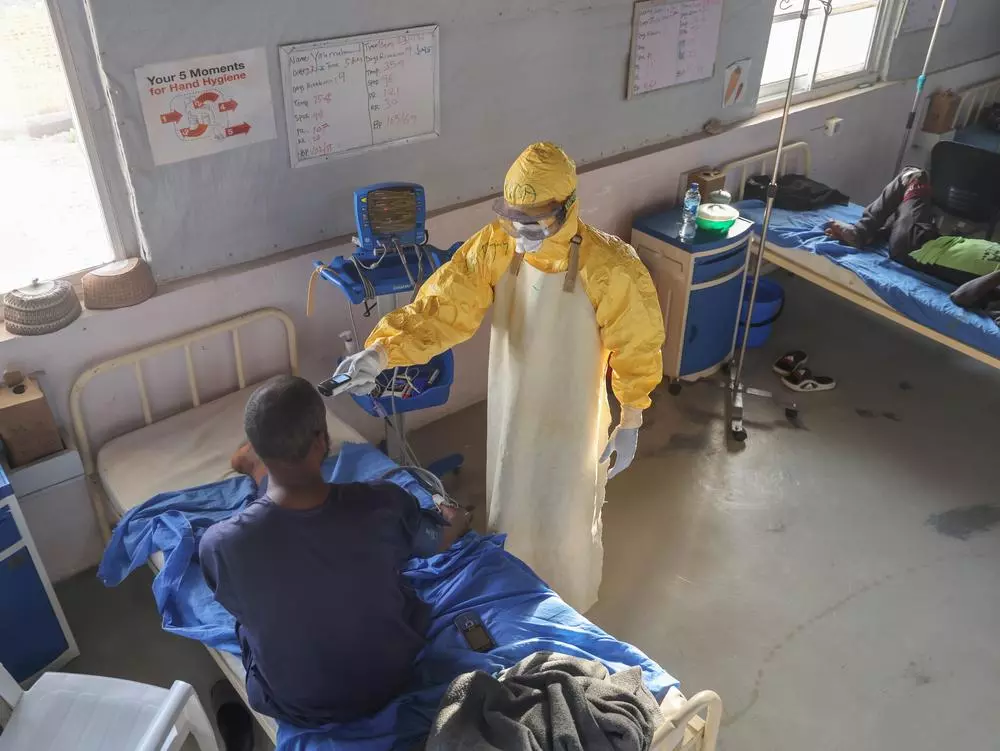
Nigeria has recorded 1,000 confirmed cases of Lassa fever and 237 deaths since the start of 2026, according to the country’s disease control agency.
The Nigeria Centre for Disease Control and Prevention (NCDC) said the outbreak has also affected 53 healthcare workers, underscoring the risks faced by frontline medical staff treating suspected and confirmed cases.
In its latest situation report covering epidemiological Week 30, from July 20 to July 26, the agency said 17 new infections and six deaths were recorded.
The new figures pushed Nigeria’s cumulative case count for the year to 1,000, while the death toll rose to 237.
The case fatality rate also increased slightly to 23.7%, up from 23.5% in the previous reporting week.
Confirmed infections have now been reported in 23 states and 116 local government areas.
Five states — Ondo, Bauchi, Taraba, Edo and Benue — accounted for 86% of all confirmed cases.
Ondo remained the worst affected state, accounting for 32% of infections, followed by Bauchi with 25%, Taraba with 13%, Edo with 10% and Benue with 6%.
Healthcare workers at risk
The NCDC said one additional healthcare worker contracted Lassa fever during Week 30, bringing the total number of infected medical personnel this year to 53.
The agency described infections among healthcare workers as a continuing challenge in efforts to contain the disease.
In response, the NCDC has developed a 30-day Healthcare Worker Protection Plan with support from the World Health Organization and the US Centers for Disease Control and Prevention.
The programme includes additional training for frontline workers, strengthened infection prevention and control measures, the pre-positioning of personal protective equipment and technical support for investigating infections among healthcare personnel.
The NCDC said delays in patients seeking treatment were among the factors contributing to Nigeria’s high Lassa fever fatality rate.
It also pointed to the cost of treatment, poor health-seeking behaviour, inadequate environmental sanitation and limited public awareness in communities with high infection rates.
Authorities urged Nigerians to remain vigilant throughout the year and follow preventive measures aimed at reducing contact with rodents and contaminated food or household materials.
Healthcare workers were also advised to maintain a high level of suspicion when treating patients with possible symptoms, ensure cases are referred and treated quickly and strictly follow infection prevention procedures.
Lassa fever is a viral haemorrhagic illness transmitted mainly through contact with food or household items contaminated by the urine or faeces of infected rodents.
The virus can also spread between people through direct contact with infected bodily fluids.
Early symptoms usually include fever, weakness and headache, but severe cases can develop into bleeding, respiratory distress, organ failure and death, particularly when treatment is delayed.