
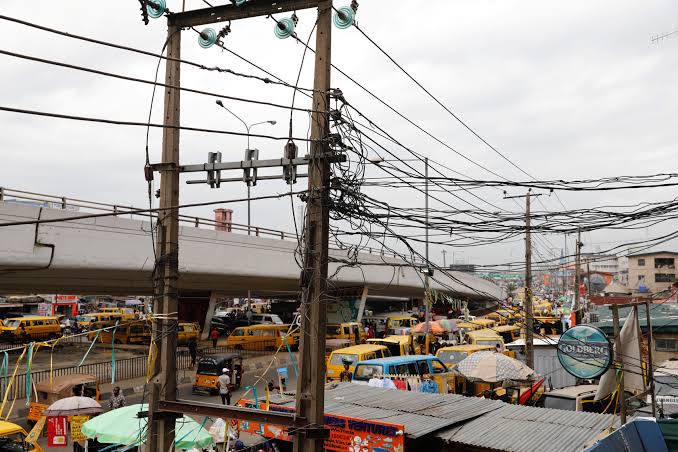
Nigeria is finally reviving a visionary 2005 roadmap designed to cure its chronic, decades-long electricity crisis.
For twenty years, the nation remained trapped in a transitional stage that crippled the power sector’s financial viability.
The state-owned middleman model failed because successive governments held consumer tariffs far below actual production costs.
Massive unpaid subsidies starved the system, leaving generators receiving less than 40 percent of their billed revenue.
Without creditworthy buyers or reliable contracts, international lenders routinely refused to finance critical infrastructure projects.
Recent regulatory shifts now mandate direct bilateral trading between electricity generators and distributors at negotiated prices.
A newly established independent system operator aims to stabilize the grid and enforce strict market payment rules.
This transition replaces unpredictable government subsidies with transparent, assessable risks that global banks can easily calculate.
Development finance institutions are pivoting to fund foundational trading systems rather than propping up individual projects.
Success now relies entirely on political discipline to let market forces operate without disruptive state interference.