
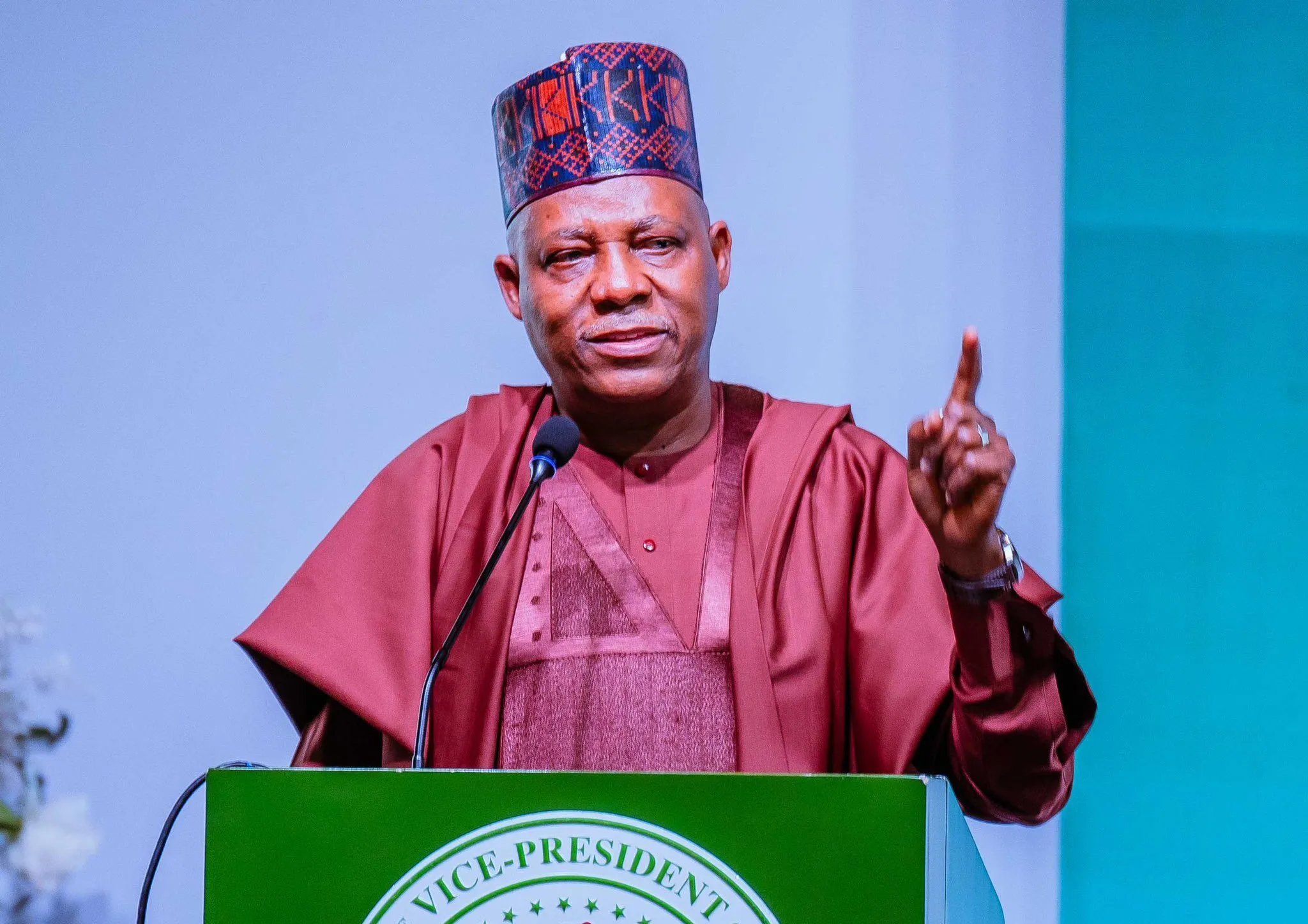
Nigeria’s vice president and six state governors have sparked national outrage after travelling to the Republic of Benin.
The high-powered delegation visited the Glo-Djigbé Industrial Zone near Cotonou to study its thriving agro-industrial model.
Critics quickly condemned the trip, describing it as a humiliating symbol of Nigeria’s declining status as an agricultural powerhouse.
Once a continent-spanning giant, Nigeria dominated agriculture in the 1950s and operated 180 textile mills by the 1970s.
Historical revenues from cocoa and groundnut pyramids once funded majestic universities, skyscrapers, and regional industrial revolutions.
Decades of heavy reliance on crude oil subsequently paralyzed domestic manufacturing, forcing leaders to seek lessons from smaller neighbours.
Defending the mission, Kwara State Governor AbdulRahman AbdulRazaq called it a vital peer-learning exercise to avoid costly industrial mistakes.
Other governors praised the zone’s advanced processing of cotton, cashews, and soybeans, pledging to replicate these systems back home.
However, many citizens argue that low-ranking ministry officials should have handled the tour to preserve Nigeria’s international dignity.
Skeptics also note that previous state-led delegations to Benin’s agricultural hubs ultimately yielded abandoned projects and empty promises.
Analysts warn this latest excursion highlights how systemic mismanagement continues to erode the nation’s vast natural potential.
Whether this voyage sparks a genuine industrial rebirth or remains an expensive political jamboree rests entirely on future execution.