
Pakistan has agreed a weapons deal worth more than $4 billion with forces loyal to eastern Libyan commander Khalifa Haftar, according to multiple Pakistani officials, despite a long-standing UN arms embargo on Libya.
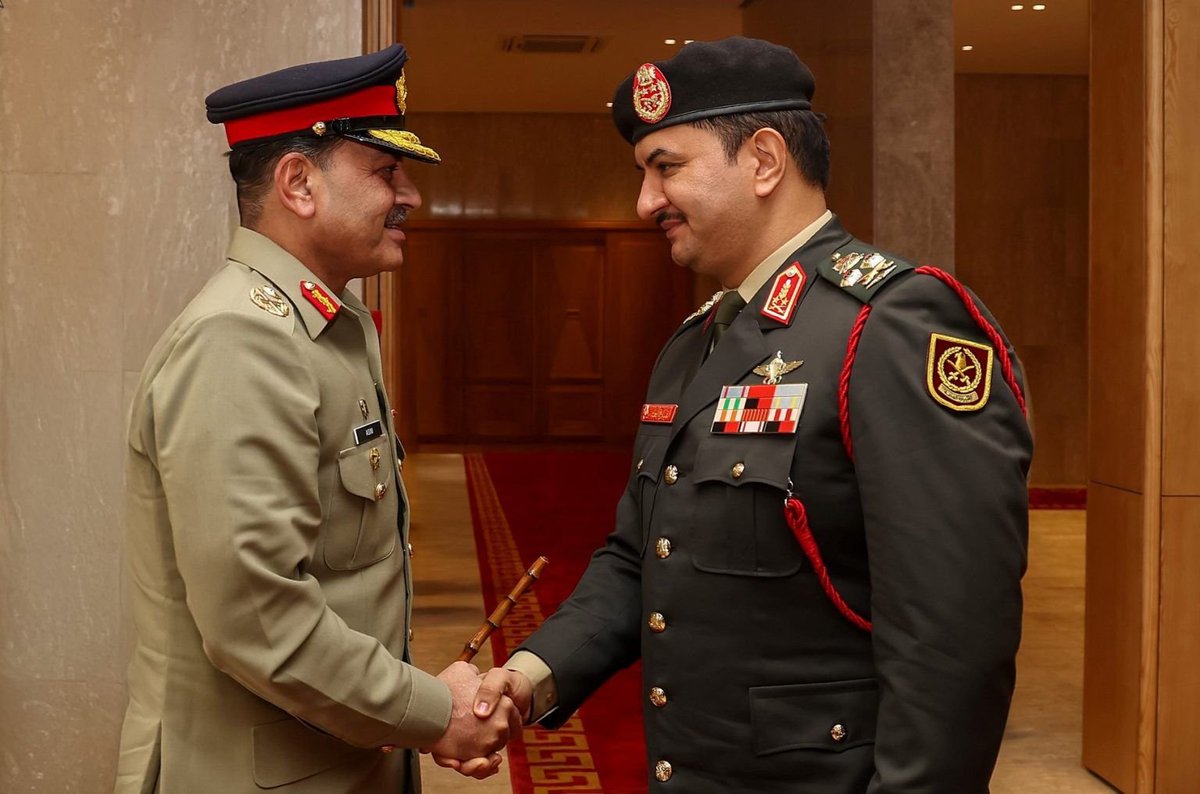
The agreement, described as one of Pakistan’s largest-ever defence exports, was finalised after talks last week between Pakistan’s army chief Asim Munir and Saddam Khalifa Haftar, the deputy commander-in-chief of the Libyan National Army, during a visit to Benghazi.
Officials familiar with the deal said it includes aircraft and military equipment for air, land and sea operations, with deliveries expected over a period of about two and a half years. Two sources placed the value at more than $4 billion, while others said it could reach $4.6 billion.
A draft of the agreement reviewed by media listed the sale of 16 JF-17 fighter jets, jointly developed by Pakistan and China, along with 12 Super Mushak trainer aircraft used for pilot training. Officials said the list reflected the scope of the deal, though final quantities could change.
Pakistan’s foreign ministry, defence ministry and military did not respond to requests for comment. Authorities in Benghazi also offered no immediate response.
The Libyan National Army’s official media channel confirmed that a defence cooperation agreement had been signed with Pakistan, covering weapons sales, joint training and military manufacturing. In televised remarks, Haftar described the move as the start of a new phase of strategic military cooperation.
Libya has been under a UN arms embargo since 2011, requiring international approval for any weapons transfers. A UN panel of experts reported last year that the embargo has remained largely ineffective, citing repeated violations by foreign states supporting rival factions in Libya.
It was not clear whether Pakistan or Libyan authorities had sought exemptions from the embargo. Pakistani officials said the deal did not violate UN restrictions and argued that other countries continue to engage militarily with Libyan forces.
Libya remains divided between the UN-recognised Government of National Unity in the west and Haftar’s forces, which control much of the east and south, including key oilfields.
Pakistan has been actively expanding its defence exports, promoting its military equipment as cost-effective and less dependent on Western supply chains. Officials say the Libya agreement would significantly expand Pakistan’s presence in North Africa at a time of growing regional and international competition for influence in the country.