
Maritime disruptions, rising energy and food prices, security risks, and shifting global alliances are intensifying economic and political pressures across Africa, analysts warn.
Disruptions along the Red Sea and the Suez Canal are emerging as critical threats, exposing vulnerable economies heavily dependent on stable global shipping routes.
Hubert Kinkoh of Chatham House described the instability as a direct threat to African sovereign stability, linking maritime tensions to domestic political fragility.
He warned that supply-chain shocks are functioning as powerful political accelerants, rapidly transforming distant global conflicts into immediate sources of social unrest.
According to Kinkoh, disruptions in maritime trade quickly translate into higher food and fuel costs, deepening public frustration in already strained societies.
Many African economies rely on imported staples and energy supplies, making them particularly sensitive to prolonged shipping delays and escalating transportation expenses.
Analysts say fragile governance structures and existing economic inequalities increase the risk that external shocks could trigger protests or political instability.
At the same time, shifting geopolitical alliances are forcing African governments to navigate competing global pressures while attempting to preserve economic stability.
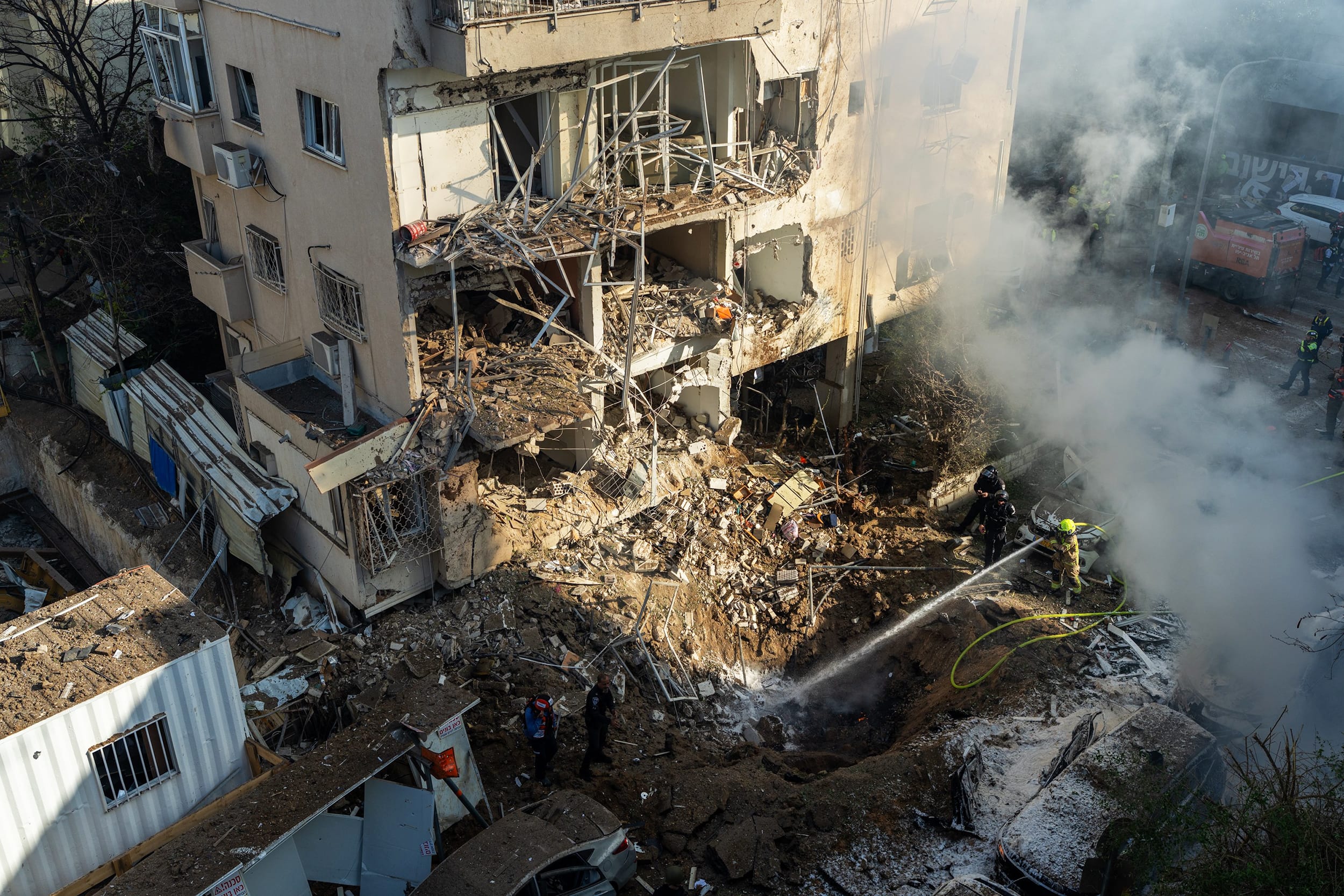
The escalating US-Israel war with Iran has further complicated the situation, drawing international focus away from conflicts and humanitarian crises unfolding across Africa.
Kinkoh warned that reduced global attention risks allowing unresolved African conflicts to worsen, potentially creating long-term security consequences for the continent.
Observers argue that sustained international engagement and economic resilience measures will be crucial to preventing maritime disruptions from evolving into broader political crises.