
Sierra Leone’s opposition leader warned Monday that the country risks becoming entangled in powerful international drug trafficking networks and organised crime.
In a sharply worded letter to President Julius Maada Bio, opposition APC leader Abdulai Kargbo expressed “profound concern” after a massive cocaine seizure linked to Freetown.
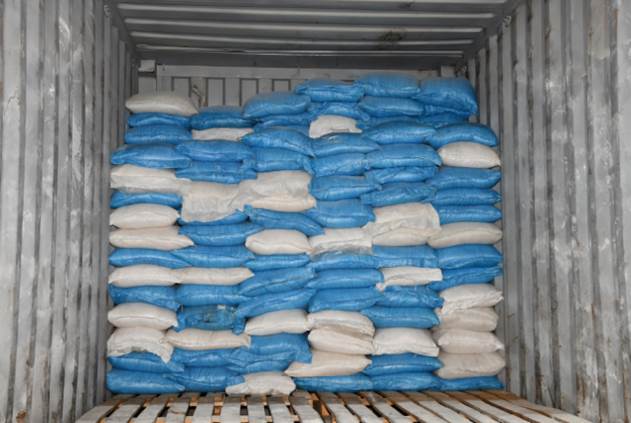
Spanish police announced Thursday they intercepted a Comoros-flagged vessel carrying 30 tonnes of cocaine valued at nearly $700 million across Atlantic waters.
Authorities said the ship departed from Freetown before heading toward the Mediterranean, carrying firearms alongside one of the region’s largest narcotics shipments.
Police arrested 23 suspects, including 17 Filipinos, five Dutch nationals and one citizen from Suriname during the sweeping maritime operation.
Sierra Leonean authorities have since launched an investigation into how the heavily armed vessel departed the country without detection or intervention.
Kargbo said repeated international reports connecting Sierra Leone’s ports, borders and territorial waters to trafficking networks were deeply damaging the nation’s reputation.
He warned the incident intensified fears that criminal organisations may be operating under political influence or with institutional protection inside the country.
Fresh scrutiny also surrounds alleged connections between Sierra Leonean elites and Dutch fugitive Jos Leijdekkers, one of Europe’s most wanted traffickers.
Recent images circulating online showed Leijdekkers alongside senior officials, including President Bio, casting a long shadow across Freetown’s political establishment.
Europol identifies the 34-year-old Dutchman as a major figure in global cocaine trafficking networks stretching between Latin America and Europe.
A Rotterdam court sentenced Leijdekkers in absentia to 24 years in prison in 2024 for cocaine trafficking and ordering a murder.
The scandal has renewed attention on West Africa’s fragile coastlines, long viewed as silent corridors for cocaine flowing toward European markets.