
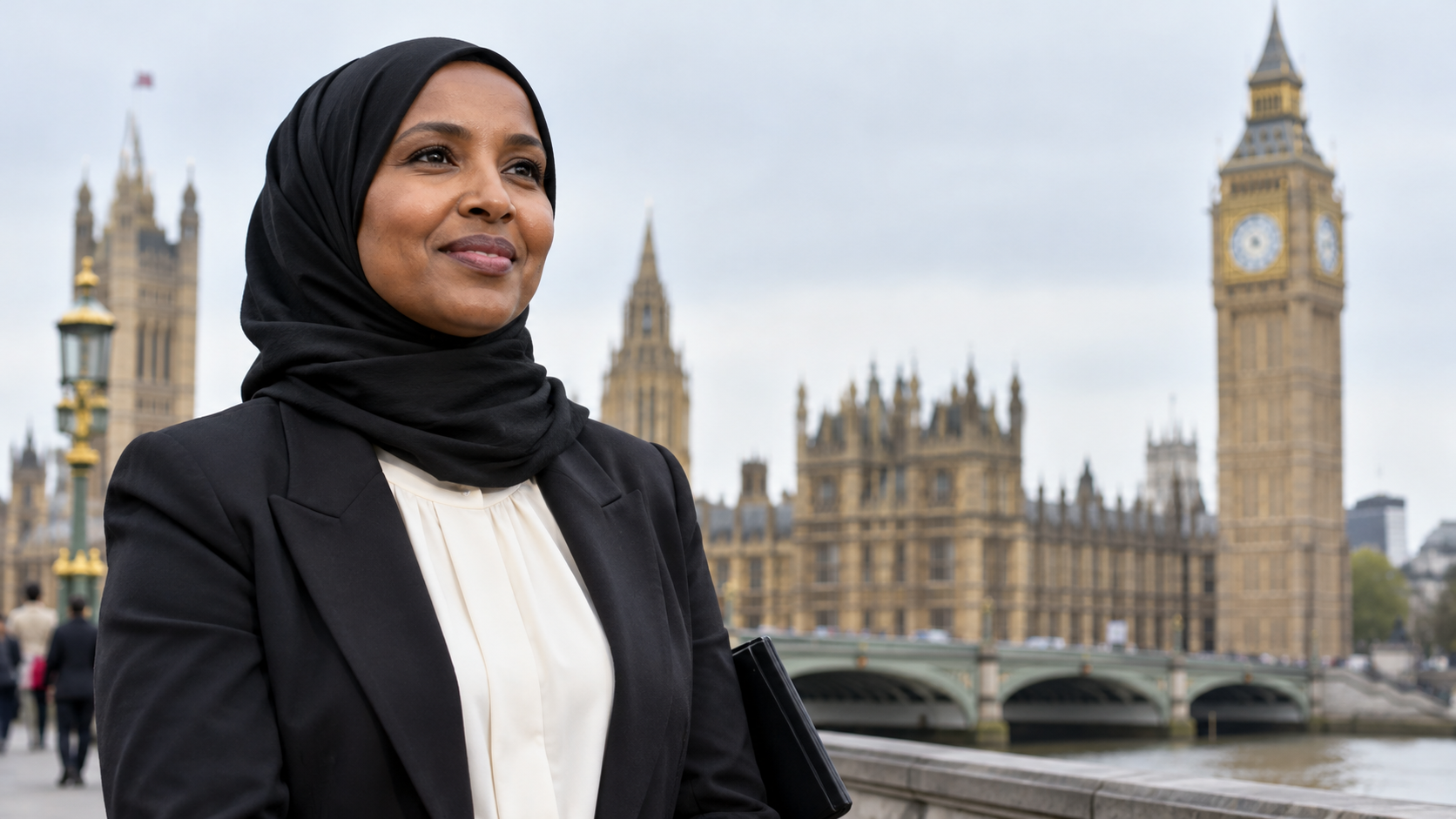
Somali-born British MP Sagal Abdi-Wali has officially taken her seat in the UK Parliament after winning a by-election in central London.
The 42-year-old Labour politician was sworn in on Monday, October 12, to represent Holborn and St Pancras in the House of Commons.
Her election marks a significant milestone in a political journey that began when she arrived in Britain as a child refugee.
Abdi-Wali replaces former British Prime Minister Keir Starmer, who previously represented the constituency.
Her victory has attracted attention among Britain’s Somali and wider African communities.
From Somali refugee to British MP
Abdi-Wali arrived in the United Kingdom as a child fleeing conflict.
She later settled in London, where she spent much of her life in the borough of Camden.
Before entering national politics, she worked with local charities and schools.
She also became involved in local government and eventually served as leader of Camden Council.
Her experience in community organisations and local politics helped establish her public profile.
Now, her election brings that experience to the British Parliament.
According to Africanews and AFP, Abdi-Wali’s journey has drawn particular interest among people of Somali and African heritage in Britain.
Her political rise also reflects the role immigrant communities play in British public life.
Somali-born British MP wins 45% of vote
Abdi-Wali secured 45% of the vote in the Holborn and St Pancras by-election held last week.
She defeated Green Party leader Zack Polanski, who received 33%.
The Conservative Party finished with 7%, while Reform UK received 6%.
The result gave Labour a victory in a constituency previously represented by Starmer.
Abdi-Wali was formally sworn in on Monday, allowing her to begin representing constituents in the House of Commons.
Her election comes during a period of political change in Britain following Starmer’s departure from office.
Housing and young people among priorities
Following her victory, Abdi-Wali identified homelessness and opportunities for young people as important priorities.
In her victory speech, she highlighted the need to address challenges affecting residents in her constituency.
Her background in local government could influence her approach to these issues.
Camden, where she previously worked and served as council leader, includes communities facing different housing and social challenges.
As an MP, Abdi-Wali will now have the opportunity to raise these concerns in Parliament.
However, her effectiveness will depend on the policies she pursues and the support she receives.
Election attracts attention from African communities
Abdi-Wali’s election has also drawn attention beyond her London constituency.
Her Somali background and experience as a refugee have made her political journey particularly notable among Britain’s African diaspora.
The United Kingdom has a longstanding Somali community, including families who arrived after fleeing conflict and instability.
Members of these communities have increasingly participated in local government, business and public institutions.
Abdi-Wali’s election represents another example of that political participation.
However, she will represent all residents of Holborn and St Pancras, regardless of their backgrounds.
New chapter in British politics
Following the election, Andy Burnham, who succeeded Starmer as Labour leader, congratulated Abdi-Wali on her victory.
He also expressed his willingness to work with the newly elected MP.
For Abdi-Wali, entering the House of Commons marks a new stage in a career built through community work and local government.
Her immediate challenge will be translating her experience into parliamentary action.
Meanwhile, her journey from arriving in Britain as a Somali child refugee to becoming an elected national representative has attracted attention across African communities at home and abroad.