
South African police have arrested nine foreign nationals suspected of attempting to travel to Russia to join its war against Ukraine.
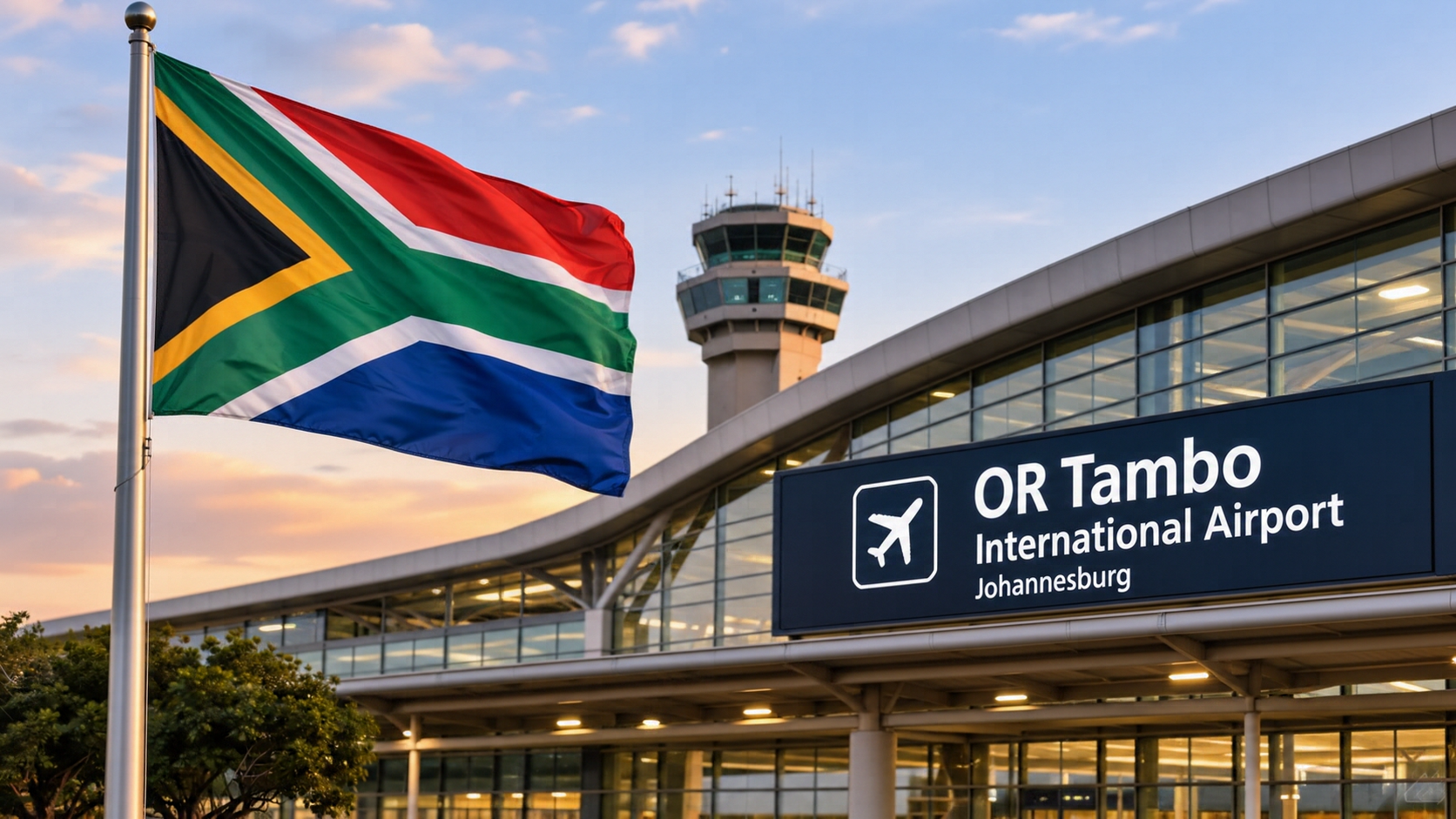
The suspects, aged between 20 and 26, were detained late on Sunday, November 8, at OR Tambo International Airport in Johannesburg and a nearby hotel.
According to Al Jazeera and the Associated Press (AP), the arrests followed an investigation involving Interpol and South African law enforcement agencies.
The case comes amid growing concerns over the recruitment of foreign nationals, including Africans, into Russia’s military operations in Ukraine.
Nine suspects detained at Johannesburg airport
South African police said the nine men were preparing to board flights to Russia when officers intervened.
Authorities suspect they intended to participate in the conflict in Ukraine.
However, police have not disclosed the suspects’ nationalities or confirmed what they planned to do after arriving in Russia.
The men are expected to appear in court over alleged violations of South Africa’s Regulation of Foreign Military Assistance Act.
The legislation prohibits mercenary activity and regulates military assistance to parties involved in foreign conflicts.
It also covers recruitment and military training, including activities involving foreign nationals inside South Africa.
Police have not announced a court appearance date.
The allegations remain under investigation, and the suspects have not been convicted.
African recruitment into Russia’s war raises concerns
The arrests highlight wider concerns about foreign recruitment into the Russia-Ukraine war.
According to Al Jazeera and AP, governments and human rights organisations have reported cases involving people recruited from Africa, Asia and South America.
Some recruits allegedly travelled to Russia after receiving promises of well-paid civilian employment.
However, reports indicate that some were subsequently pressured or forced into military service.
In September, Amnesty International accused Russia of deceiving foreign nationals into joining the war.
The organisation described cases involving people from South Africa, Brazil, Colombia and Sri Lanka.
According to Amnesty International, some individuals were promised civilian or non-combat jobs but were instead sent to the battlefield.
The organisation characterised the alleged recruitment practices as human trafficking.
Ukraine says more than 1,700 Africans joined Russian forces
In February 2026, Ukrainian Foreign Minister Andrii Sybiha said more than 1,700 people from 36 African countries were known to be fighting for Russia.
He urged African governments to warn citizens about the dangers of recruitment.
However, the figures were provided by Ukrainian authorities and have not been independently verified in the reporting cited.
South Africa has also dealt with cases involving its own citizens.
Earlier in 2026, the government announced that it had secured the return of 11 men who had reportedly been lured into fighting for Russia.
Meanwhile, nationals from Kenya and Cameroon have been among those reported killed during the conflict.
These cases have increased pressure on African governments to investigate recruitment networks and protect vulnerable jobseekers.
South Africa investigates suspected foreign military recruitment
The latest arrests could provide further information about suspected recruitment routes operating through South Africa.
However, authorities have not established publicly whether the nine detainees were recruited through deception or had voluntarily planned to join Russian forces.
The investigation will also need to determine whether their intended activities violated South African law.
For now, the suspects remain accused of offences connected to foreign military assistance.
The case highlights the growing international consequences of Russia’s war in Ukraine and the risks facing people recruited from countries far beyond the conflict zone.