
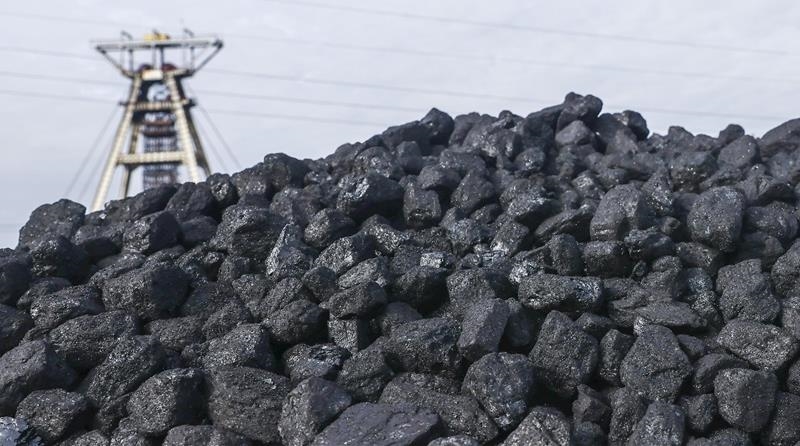
South African coal producers have significantly increased thermal coal exports to Israel after Colombia imposed a total ban on shipments of the fuel earlier this year, according to shipping and commodities data. Trade data from Kpler, LSEG, and DBX Commodities show that Colombian coal exports to Israel fell to zero in the three months ending in November, after Bogotá reinforced its ban and blocked deliveries under long term supply contracts.
Colombia announced the ban in August, citing Israel’s military actions in Gaza and the deaths of tens of thousands of Palestinians, including children. South Africa, which has also been highly critical of Israel, has accused it of genocide at the International Court of Justice, an allegation Israel strongly denies. As Colombian shipments stopped, South Africa stepped in to fill the gap. Exports from South Africa to Israel rose by 87 percent year on year to 474,000 metric tonnes in the three months to November, with nearly 170,000 tonnes expected to be shipped in December alone.
Official data from the South African Revenue Service show that total coal exports to Israel climbed 20 percent to 667,442 tonnes in the three months to October, the highest level recorded for a comparable period since 2017. Patrick Bond, director of the University of Johannesburg’s Centre for Social Change, described the trend as a contradiction between South Africa’s political stance and its commercial actions, noting that more than a dozen coal exporters have supplied electricity grade coal to Israel since 2023.
Kpler data indicate that all coal cargoes imported by Israel since September have originated from South Africa. The country’s mines ministry did not respond to requests for comment, while Trade Minister Parks Tau has previously warned that sanctions on Israel could expose South Africa to legal challenges under World Trade Organization rules.
Colombia, also a WTO member, has so far faced no formal challenge over its export ban. South Africa’s coal shipments to Israel have risen steadily over the past four years, and 2025 exports are on track to reach their highest level since 2017. The country’s share of Israel’s seaborne coal market is expected to more than triple compared with 2024, reaching about 55 percent.
Despite the ban, Colombia is still expected to account for around 42 percent of Israel’s total coal imports this year, based on deliveries made before the restrictions took effect. Russian coal shipments have dropped sharply, accounting for less than three percent of the market after just one cargo this year. DBX Commodities chief executive Alexandre Claude said Colombian exports to Israel are likely to remain near zero in the short to medium term, with supplies redirected to other markets.
Israel’s energy and economy ministries declined to comment. A senior official at the state run Israel Electric Company said the country plans to phase out coal as a major power source by 2027, switching primarily to natural gas, with coal retained only for emergency use.