
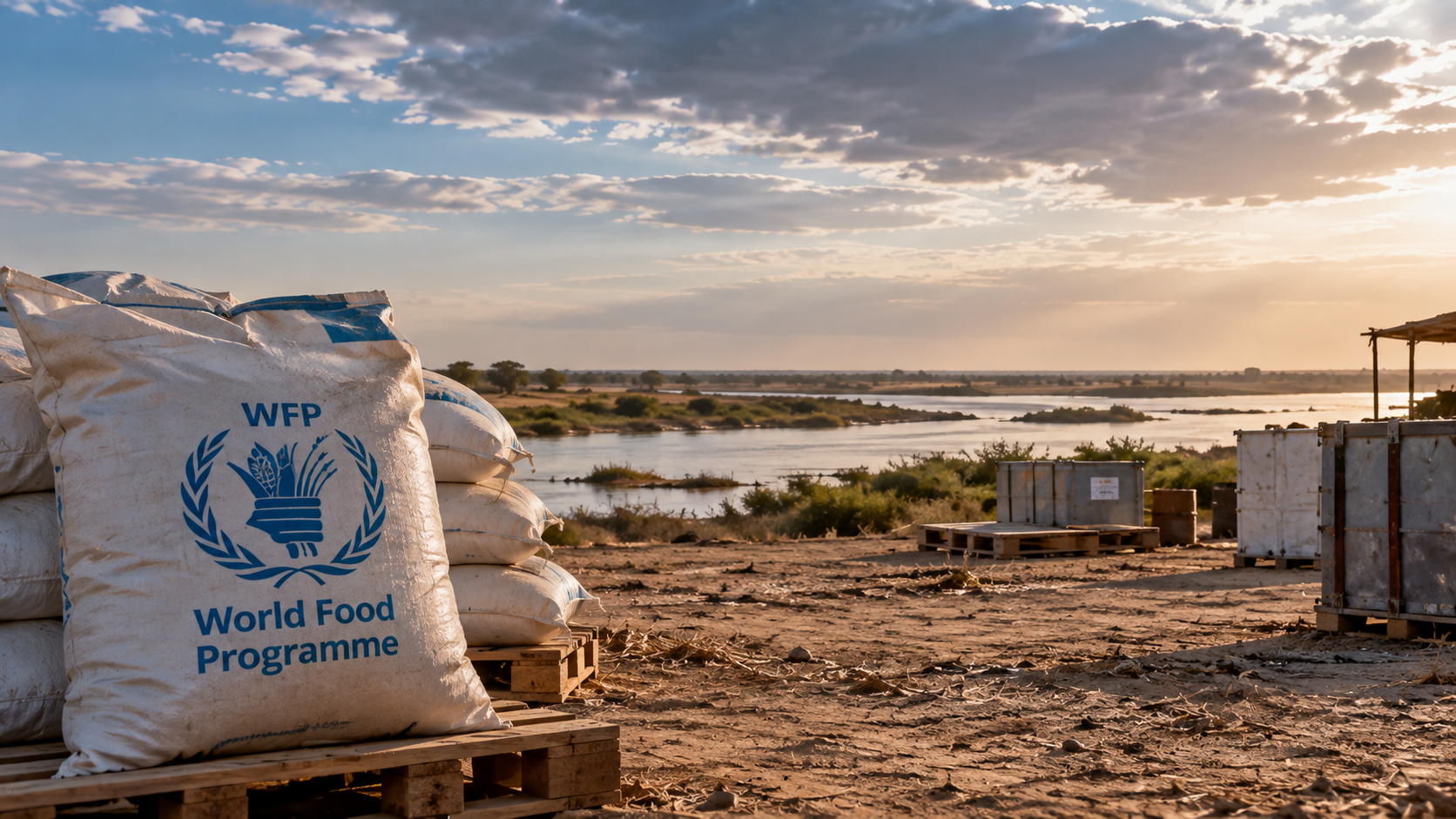
More than one million vulnerable people in South Sudan could lose access to vital food and nutrition assistance as humanitarian agencies face severe funding shortages.
The World Food Programme (WFP) says its food stocks are falling sharply while thousands of refugees and returnees continue to arrive from neighbouring Sudan.
Around 3,000 people cross into South Sudan from Sudan every week, according to an Al Jazeera report from Renk. Many arrive hungry and with little or no money after fleeing the war.
Food stocks fall sharply in South Sudan
The scale of the shortage is particularly visible in Malakal, a major humanitarian logistics hub in Upper Nile state.
WFP food stocks there have fallen from around 10,000 metric tonnes at the same point last year to less than 300 tonnes. The agency says shrinking resources are colliding with rising humanitarian needs.
WFP Assistant Executive Director Matthew Hollingworth told Al Jazeera that the war in Sudan has also increased prices and placed additional pressure on South Sudan.
He said importing goods from Sudan had become more difficult, while the arrival of refugees was stretching already limited resources.
The agency has also raised concerns about illegal checkpoints that make it harder for humanitarian organisations to reach vulnerable communities.
More than 1.4 million cross from Sudan
Renk, close to the Sudanese border, has become one of the main entry points for people escaping the conflict.
More than 1.4 million refugees and South Sudanese returnees have crossed into the country since the Sudan war began in April 2023, according to WFP.
Transit centres are struggling to cope with the number of arrivals. Some families wait for transport to Malakal and other areas, while others remain in the centres for months.
WFP has already reduced rations and assistance because of funding shortages. In August, WFP and the UN refugee agency warned that more than 650,000 refugees and asylum seekers risked losing food assistance.
Millions face severe food shortages
The wider hunger crisis in South Sudan is also worsening.
WFP says 7.8 million people, more than half of the country’s population, are facing high levels of acute food shortages. Around 2.2 million children are acutely malnourished.
The agency says it faces an immediate funding gap of $86 million and a $416 million shortfall over the next six months.
Other basic services are also under pressure. The International Organization for Migration has warned that water, sanitation and hygiene services in Malakal and Bentiu are threatened by funding shortages. Malakal also faces an increased flooding risk during the rainy season without sufficient drainage pumping and dyke maintenance.
With humanitarian resources shrinking and people continuing to arrive from Sudan, aid agencies face growing pressure to maintain assistance for refugees, displaced people and vulnerable host communities.