
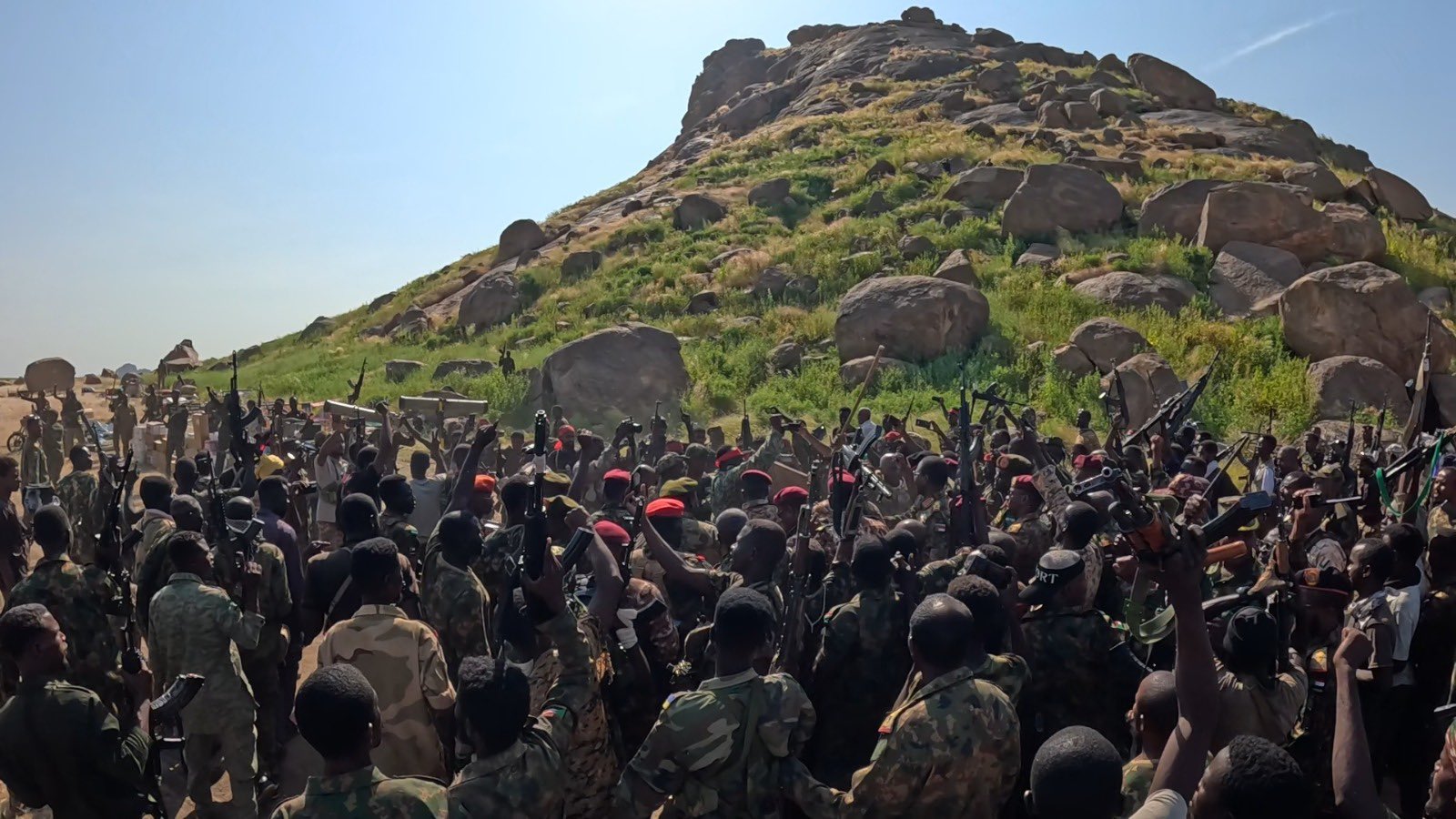
New Sudan chemical weapons allegations have emerged after leaked documents and communications reportedly pointed to a programme within the Sudanese Armed Forces to develop chlorine-based weapons.
The allegations were reported by The New York Times and The Washington Post. Sudanese military officials deny developing or using chemical weapons.
The leaked material reportedly includes documents, photographs, videos, audio recordings and thousands of messages. Some were said to have come from the phones of senior Sudanese officers.
Radar Africa has not independently verified the authenticity or full context of the leaked material.
Sudan chemical weapons allegations detailed in leaked files
According to the reporting, the files describe efforts to develop and test chemical munitions during 2024.
The material reportedly identifies Brigadier General Tariq Hussein as the officer overseeing the alleged project.
Hussein allegedly proposed using chlorine-based weapons in July 2024 as army forces fought the Rapid Support Forces for control of areas of Khartoum.
By October, he allegedly reported that almost 300 chemical munitions had been produced. Most were reportedly stored at Merowe airport in northern Sudan.
These claims come from the leaked material and have not been independently established through access to the alleged facilities.
Questions raised over chlorine supplies
The investigations also raise questions about the possible diversion of chlorine intended for civilian use.
In one recording described by investigators, Hussein allegedly said chlorine had been obtained from the Al-Manara water treatment plant in Omdurman.
Chlorine is commonly used to disinfect drinking water. International aid organisations had supplied chlorine for water purification.
However, the reporting presented no evidence that humanitarian organisations knew about or participated in any alleged diversion for military purposes.
Allegations involving Al-Jaili refinery
The leaked material also reportedly refers to the alleged use of chemical weapons at the RSF-held Al-Jaili refinery north of Khartoum in September 2024.
However, questions remain about the evidence surrounding the alleged incident.
Reporting on the dossier noted differences between munitions described in the leaked files and material previously examined by France 24.
No deaths have been conclusively attributed to the alleged chemical attack described in the reporting.
US previously determined chemical weapons were used
The United States announced in May 2025 that it had determined Sudan’s government used chemical weapons during 2024. Washington subsequently imposed sanctions.
Those measures were separate from sanctions imposed on army chief Abdel Fattah al-Burhan in January 2025.
The January sanctions cited attacks on civilians, obstruction of humanitarian assistance and opposition to a civilian democratic transition. The announcement did not cite chemical weapons as the reason for Burhan’s designation.
The newly reported communications separately allege that Burhan instructed Hussein to remove evidence related to the programme after Washington announced its chemical weapons determination.
That claim comes from the leaked communications and has not been independently established.
Sudanese army rejects allegations
Sudanese military representatives have rejected the Sudan chemical weapons allegations.
An army spokesman quoted in reporting on the investigation said the claims lacked material evidence. He also pointed to Sudan’s membership of the Chemical Weapons Convention and threatened legal action over the reporting.
Burhan adviser Amjad Farid has also publicly dismissed the allegations.
Experts consulted during the investigations said elements of the material appeared consistent with a possible chemical weapons programme.
However, reaching a definitive conclusion would require independent access to relevant locations, physical evidence and witnesses in Sudan.
The use of chemical weapons is prohibited under international law. Establishing responsibility for any alleged use would require further independent investigation.