
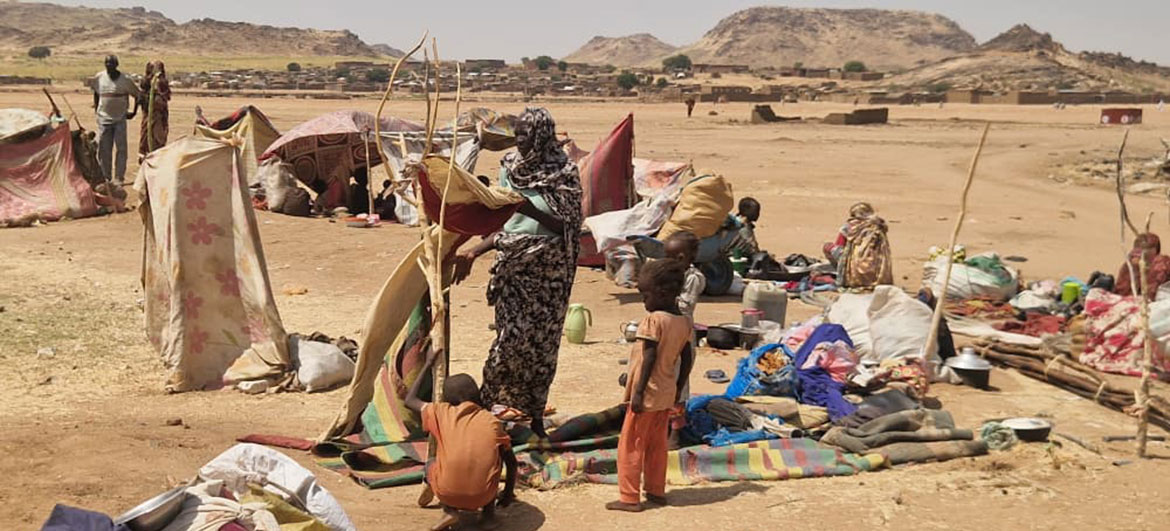
Sudan’s humanitarian aid system is facing growing pressure as funding shortages threaten the delivery of essential relief to millions of people affected by conflict, displacement and severe weather.
The International Organization for Migration (IOM) has warned that supplies distributed through its Common Humanitarian Pipeline could begin running out by the end of September without additional donor support.
Heavy rains and floods are also damaging shelters and adding to the difficulties facing displaced families across the country.
Sudan aid system faces funding shortage
IOM Director General Amy Pope warned that the wider humanitarian system could face severe disruption within weeks if additional funding does not arrive.
The agency said its network includes nearly 100 national and international organisations. Together, they have provided assistance to about 2.8 million people since July 2023.
However, declining funding has reduced the network’s ability to reach people even as humanitarian needs remain extremely high.
IOM estimates that maintaining its system for one year to support 305,000 people would cost about $15 million.
Meanwhile, around $42 million would be required to restore assistance to the level the organisation was able to provide in 2024.
Millions remain displaced across Sudan
The humanitarian warning comes as millions of Sudanese continue to live away from their homes.
According to IOM, around 8.6 million people remain internally displaced across Sudan.
Continuing conflict has contributed to the displacement crisis. At the same time, floods and heavy rainfall have damaged shelters and forced some families to move again.
These overlapping pressures have increased demand for shelter, food and other basic assistance.
Sudan has faced a major humanitarian emergency since conflict began in April 2023. Civilians across different parts of the country continue to face displacement, hunger and disruption to essential services.
Food assistance also under pressure
Funding difficulties are affecting other humanitarian organisations operating in Sudan.
The World Food Programme has also experienced a significant decline in financial support.
WFP acting Executive Director Carl Skau told Reuters that funding has fallen by roughly half this year.
The organisation received $645 million last year. So far this year, it has received about $206 million, according to figures cited in the report.
Skau said humanitarian organisations now have a presence in areas where they can operate but cannot fully use that capacity because of limited funding.
Humanitarian agencies call for urgent support
The funding gap could have immediate consequences for displaced families.
IOM warned that some shelter and relief supplies could be depleted by the end of September. Meanwhile, funding for warehouses supporting the humanitarian pipeline currently extends only until the end of the year.
Aid organisations are therefore calling for renewed international support to maintain assistance across Sudan.
With millions still displaced and humanitarian resources declining, the immediate challenge is ensuring that food, shelter and other essential assistance continue reaching civilians who need them.