
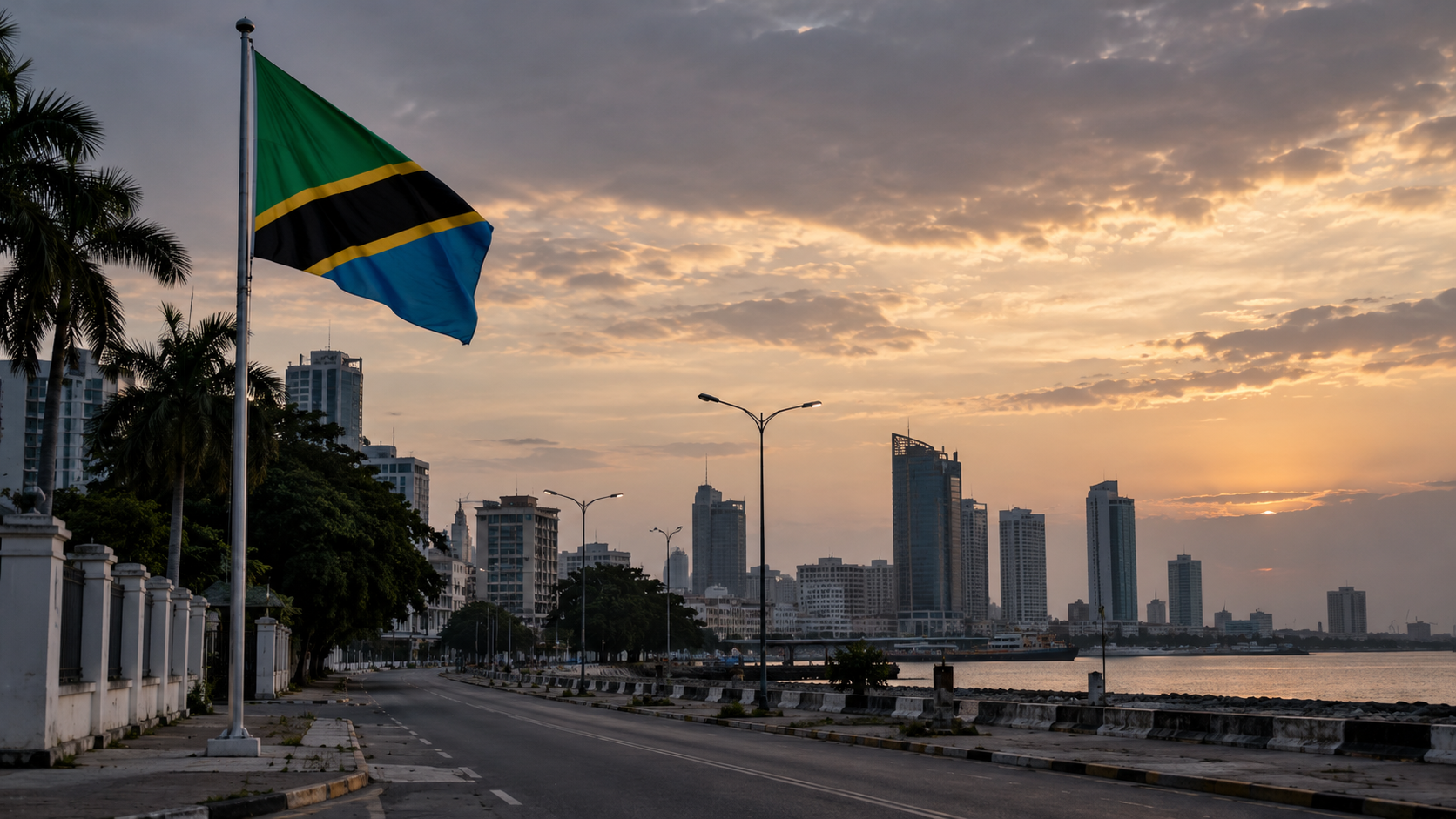
Tanzania remains tense one year after deadly election violence, as opposition figures face arrests and activists warn of growing political repression.
The unrest followed the October 29, 2025, presidential election. President Samia Suluhu Hassan won 98% of the vote after most opposition candidates were excluded.
Protests erupted across the country. Security forces responded with a crackdown that left hundreds dead, according to a government-appointed commission.
A year later, many Tanzanians remain fearful. Meanwhile, opposition leaders and human rights groups continue to demand accountability.
Tanzania election violence leaves lasting fear
The government-appointed commission reported 518 deaths during the unrest. However, opposition groups and rights organisations have claimed that thousands were killed.
The higher figures have not been independently verified.
According to Africanews, citing AFP reporting, survivors continue to struggle with injuries and financial hardship.
Twaha Bomeza, 61, suffered an eye injury during the protests. He also lost four front teeth and says he cannot afford the surgery he needs.
Another survivor, Joseph Zakayo, 37, was shot in the thigh. His injuries have prevented him from returning to work as a motorcycle taxi driver.
For many victims, the consequences of the violence remain part of everyday life.
Opposition figures face new charges
Political tensions have continued since the election.
Opposition leader Tundu Lissu faces a treason trial, with a verdict expected on November 6.
Lissu was arrested before the election after campaigning for electoral reforms. He also began a hunger strike this week to demand access to his lawyer.
Meanwhile, opposition official John Pambalu was recently charged with treason.
Reports of disappearances have added to public concern. Tanzanian dissident Twaha Mwaipaya was reportedly abducted in Kenya and remains missing.
Human rights organisations say the arrests and charges have created an atmosphere of fear.
Fulgence Massawe, from Tanzania’s Legal and Human Rights Centre, said the organisation represents around 56 people facing terrorism-related charges.
He accused authorities of using the legal system to silence government critics.
Tanzanians remember election victims
Despite the tensions, religious and opposition groups marked the anniversary of the violence.
The Catholic Church held memorial services for those killed. Meanwhile, the main opposition party, Chadema, announced seven days of mourning.
Security remained tight in Dar es Salaam, where streets were unusually quiet.
Chadema accused the government of undermining democratic freedoms and failing to protect human rights.
However, public commemorations have become sensitive as authorities face continued criticism over their response to the protests.
Civil society representatives say some families have still been unable to bury relatives killed during the unrest.
Rights groups demand accountability
Tanzania established a presidential commission to investigate the election violence.
However, critics have questioned its independence and accused the government of trying to protect its international reputation.
Amnesty International has also criticised the authorities for failing to hold those responsible for the killings accountable.
The organisation accused Tanzania of using counterterrorism laws to intimidate critics.
Anna Bwana, director of Twaweza East Africa, warned that the authorities were responding harshly to public criticism.
Meanwhile, the United States has raised concerns about the killings and the lack of accountability.
Tanzania’s government has faced increasing international scrutiny over its handling of the unrest.
Political uncertainty continues in Tanzania
The anniversary comes at a difficult moment for Tanzania’s political landscape.
Opposition figures remain under pressure, while activists report continuing arrests and intimidation.
The upcoming verdict in Lissu’s treason trial could become another source of tension.
For now, Tanzania’s election violence continues to shape political debate.
One year after the protests, questions about accountability, political freedoms and the country’s democratic future remain unresolved.