
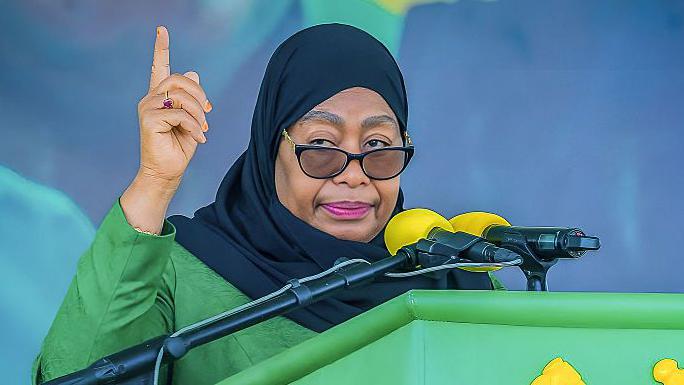
Activists and opposition groups have called for protests on December 9, the anniversary of mainland Tanzania’s independence, following the violent crackdown during the October elections, during which the UN says hundreds were likely killed. Home Affairs Minister George Simbachawene told reporters in Dar es Salaam that the planned protests were illegal and would be dealt with by security agencies. “These actions are not permitted, they are unlawful, that is not a protest, that is a coup,” he said.
The UN human rights office urged authorities to lift the nationwide ban on protests, stressing that citizens must be allowed to exercise their rights to peaceful assembly. It also warned against excessive use of force.
Government tells people to stay home
The October unrest erupted after leading opposition figures were barred from contesting a presidential vote that returned President Samia Suluhu Hassan with nearly 98 percent of the vote.
The government has acknowledged deaths occurred, though it has refused to give a toll, and denies that security forces used excessive force.
In a message posted on X, Prime Minister Mwigulu Nchemba encouraged citizens to stay home on December 9, saying the day should be used for rest unless work duties required otherwise.
Police reiterated that any protest would be illegal, arguing that organisers had not given formal notice. Witnesses reported heavy police and army presence in Dar es Salaam and Arusha on Monday.
Hassan has created a commission to examine election violence but continues to reject accusations of misconduct by security forces, instead blaming protesters for attempting to topple the government.
The US said last week it was reviewing its relationship with Tanzania over concerns about violence against civilians, religious freedom, free speech and restrictions on investment.