
The Abyei market attack has prompted the Sudan Founding Alliance (TASIS) to accuse Sudan’s regular armed forces of targeting civilians. The alliance also warned that the deadly drone strikes could increase tensions between Sudan and South Sudan.
At least 153 people reportedly died in the October 19 attack, according to local authorities. However, the exact death toll remains unconfirmed.
TASIS spokesperson Ahmed Tugud accused Sudan’s military of striking civilian markets. He also rejected claims that Rapid Support Forces (RSF) positions were present in the area.
South Sudan has separately blamed Sudan’s military for the attack and summoned its ambassador in protest.
TASIS blames Sudan’s military for Abyei market attack
Speaking to Erem News, Tugud accused Sudan’s military of deliberately attacking civilian markets.
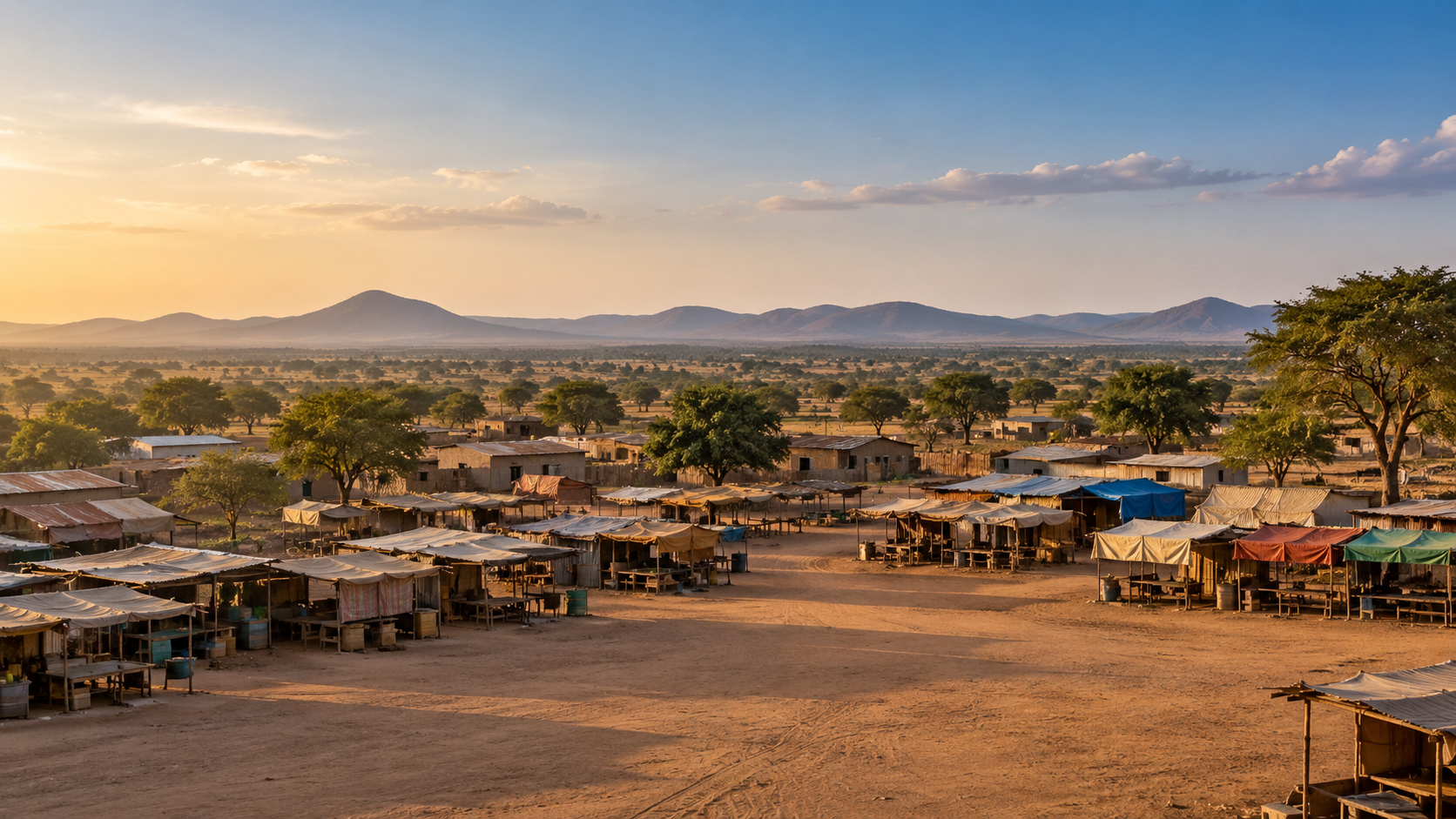
He said the strikes hit two markets that supplied food, fuel and other essential goods to local communities.
According to Tugud, neither the RSF nor the alliance’s affiliated Peace Government maintained military positions at the markets.
He also accused the authorities in Port Sudan of carrying out attacks against civilians.
Tugud reported approximately 157 deaths and said many others were injured.
However, local authorities have provided a slightly different figure.
Abyei’s caretaker information minister, Yohana Akol Ngor, told Reuters and The Associated Press that at least 153 people had died.
Ngor warned that the death toll could rise as rescue teams continued searching for victims.
The United Nations has also reported civilian casualties. However, it has not confirmed the final death toll or identified those responsible.
Sudanese military officer disputes civilian casualty reports
A Sudanese military officer offered a different account of the attack.
Speaking anonymously to The Associated Press, the officer said the operation targeted fuel tankers travelling from South Sudan.
He claimed the tankers were carrying fuel intended for the RSF.
The officer also disputed reports of civilian deaths. Instead, he claimed those killed were RSF members and fuel smugglers.
Meanwhile, diplomats told Reuters that the strike hit a fuel depot at the market. They said the facility had previously supplied RSF fighters.
However, these claims have not been independently verified.
Tugud rejected suggestions that RSF military positions were present at the markets.
As a result, questions remain about the intended targets and the identities of those killed.
South Sudan protests deadly Abyei market attack
South Sudan has formally protested the attack.
Its government summoned Sudan’s ambassador in Juba following reports of civilian deaths.
The Foreign Ministry accused Sudan’s military of launching drone strikes against several locations within the market.
It also urged Sudan to avoid military actions that threaten civilian lives and property.
Tugud warned that the incident could lead to further tensions between the two countries.
He said anger among communities connected to Abyei could increase pressure on South Sudan’s government.
The region has remained disputed since South Sudan gained independence in 2011.
Consequently, security incidents in Abyei can affect relations between the neighbouring countries.
UN condemns attacks as MSF treats wounded
The United Nations condemned the drone attacks near Amiet Market and Todach.
UN spokesperson Stephane Dujarric said civilians, including women and children, were reportedly among those killed.
Several people were also injured or remained missing.
The United Nations Interim Security Force for Abyei (UNISFA) has continued efforts to verify the casualties.
Meanwhile, Doctors Without Borders (MSF) said its teams were treating more than 20 injured patients.
Some patients suffered severe burns.
The medical organisation has been providing emergency care as humanitarian needs grow.
However, the UN has not publicly identified those responsible for the strikes.
TASIS warns of wider regional tensions
Tugud warned that the Abyei market attack could increase tensions between Sudan and South Sudan.
He accused Sudan’s military authorities and allied political groups of contributing to instability in the region.
He also argued that deliberately targeting civilian markets could violate international humanitarian law.
However, these allegations have not been established by an independent investigation.
Abyei is an oil-rich territory claimed by both Sudan and South Sudan.
The region lies near Sudan’s Kordofan area, where fighting between Sudan’s regular armed forces and the RSF has intensified.
Sudan’s wider conflict began in April 2023. Since then, the war has displaced millions of people and caused a severe humanitarian crisis.
The latest attack has raised fresh concerns about civilian safety near the disputed border.
International organisations are continuing to assess the casualties.
Meanwhile, the competing accounts highlight the need for an independent investigation into the strikes.