
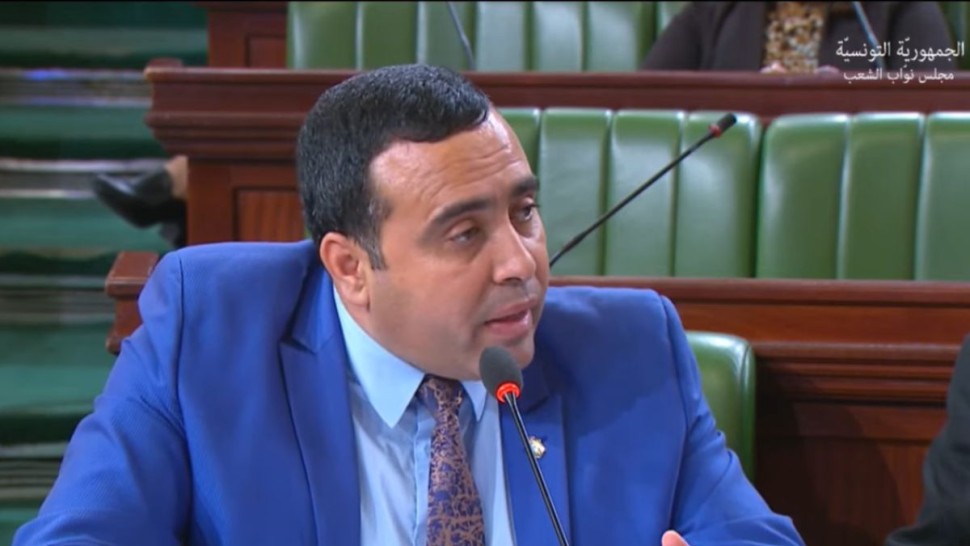
Outrage spread across Tunisia after lawmaker Tarak Mahdi dismissed reports of a migrant woman’s rape, igniting fierce condemnation from rights groups.
Mahdi told parliament that claims of rape involving a sub-Saharan African woman were false, calling such incidents “unheard of” in Tunisia.
His remarks, delivered during a tense parliamentary session, suggested Tunisian women were “beautiful enough,” drawing immediate criticism for their dismissive tone.
The Tunisian League for Human Rights condemned the comments as “shocking,” warning they reflected a mindset that trivialises rape and normalises violence.
The Tunisian Forum for Economic and Social Rights echoed the criticism, calling the remarks a violation of human dignity and a dangerous justification of abuse.
Migration remains a volatile issue in Tunisia, a key departure point for migrants risking dangerous journeys across the Mediterranean toward Europe.
Mahdi also described sub-Saharan migrants as a “threat to social peace,” urging their removal “at any cost,” deepening the controversy.
Facing mounting backlash, he later said his comments were taken out of context and denied any intent to justify sexual violence.
In a Facebook statement, Mahdi apologised for any harm caused, saying he did not seek to undermine dignity regardless of nationality.
The incident revived scrutiny of Tunisia’s political rhetoric, particularly following President Kais Saied’s 2023 warning about “illegal migrants” altering the country’s demographics.
Saied’s remarks were followed by a surge in racially motivated attacks, forcing many migrants from homes, jobs, and communities.
Thousands were repatriated or fled toward Europe, while others were pushed into desert border zones, where at least a hundred died.
The controversy underscores growing tensions as Tunisia balances domestic pressures with European efforts to curb migration through financial agreements and border controls.