
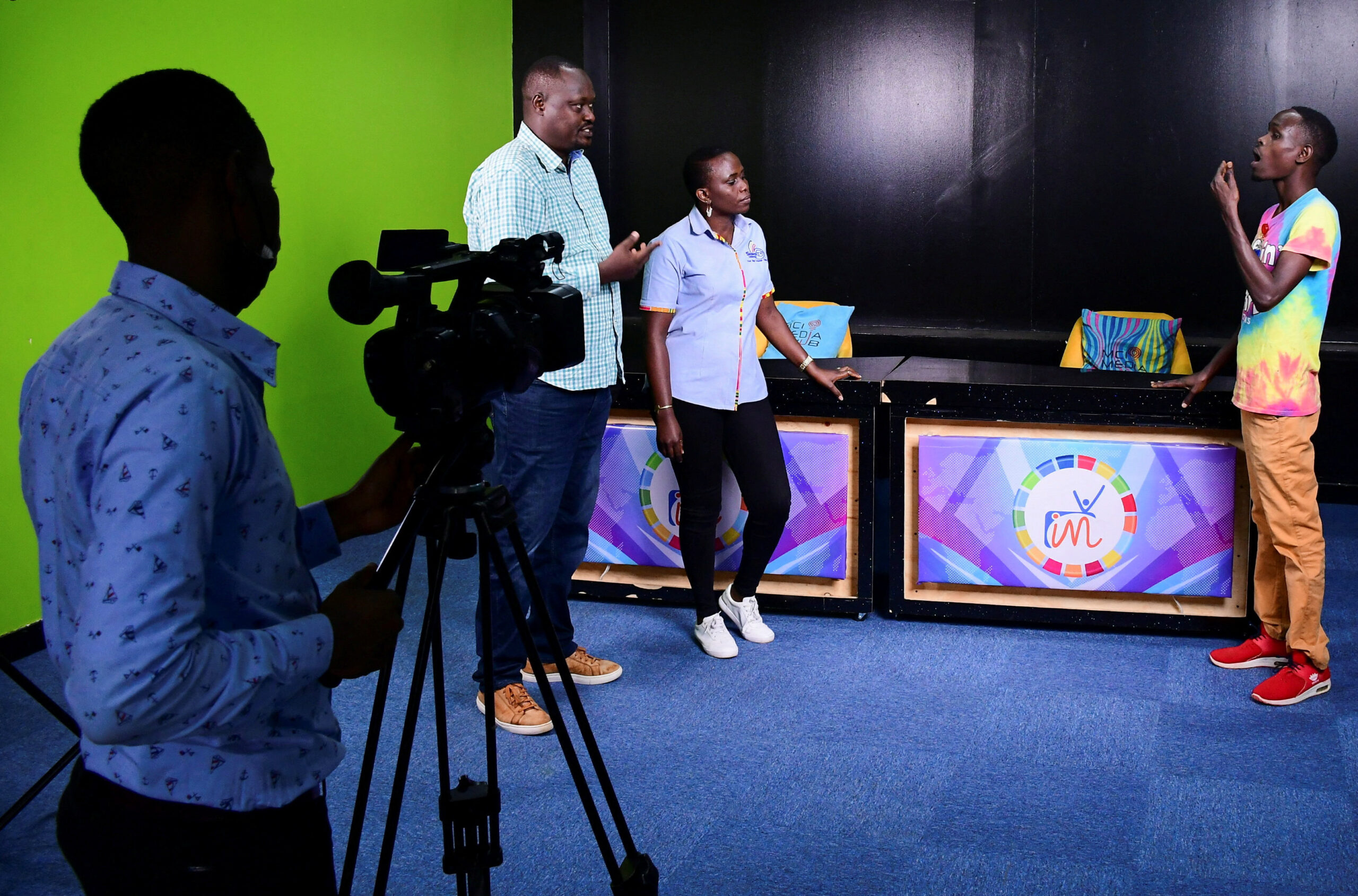
Uganda’s government announced a ban on live broadcasts of riots and unrest, tightening controls ahead of a tense presidential election. The restrictions come before the January 15 vote, where President Yoweri Museveni seeks to extend his four-decade grip on power.
Authorities said the ban covers live coverage of riots, unlawful processions and violent incidents that could inflame tensions nationwide. The Ministry of Information Communication and Technology warned such broadcasts may spread panic and destabilise an already charged political environment.
Security forces have detained hundreds of opposition supporters in recent weeks, deepening fears of a harsh pre-election crackdown. Museveni, 81, faces his most prominent challenger in Bobi Wine, a 43-year-old pop star turned opposition politician.
Officials often label anti-government protests as riots, a description opposition groups say masks peaceful dissent. The ministry also barred dissemination of content it described as inciting, hateful or violent, without defining clear thresholds.
Uganda’s last election in 2021 was marred by bloodshed, with more than 50 people killed during security force crackdowns. Wine’s supporters accused Museveni of stealing that election, allegations the president firmly denied.
Museveni came to power in 1986 after a five-year rebellion and is Africa’s third longest-ruling head of state. Rights groups have long accused his security forces of torture and intimidation to silence opponents, claims his government rejects.
Amnesty International said this week security forces launched a brutal campaign of repression against Wine’s supporters. The group cited arbitrary arrests, beatings and torture as election day draws closer.
Government and police spokespeople did not immediately respond to requests for comment on the allegations. Another opposition figure, Kizza Besigye, remains jailed on treason charges he denies, casting a long shadow over the vote.