
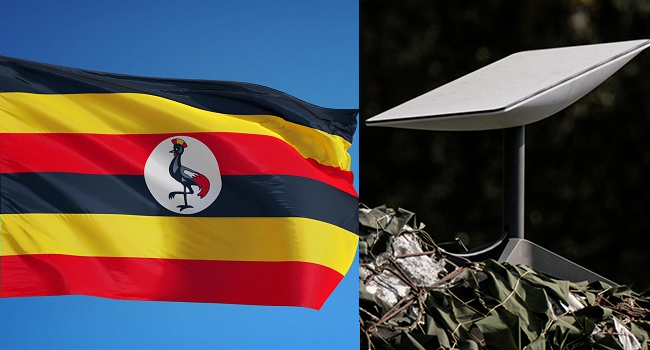
Uganda’s government has imposed new restrictions on imports of Starlink satellite internet equipment just weeks before a tightly contested national election, fuelling opposition fears of another internet shutdown.
President Yoweri Museveni, 81, is seeking to extend his decades-long rule in the January 15 vote, once again facing opposition leader and pop star-turned-politician Bobi Wine, 43. During the last election in 2021, authorities cut internet access nationwide for several days, a move critics said undermined the credibility of the process.
The latest restrictions emerged in a leaked memo from the Uganda Revenue Authority dated December 19, which later circulated on social media. The tax authority confirmed the document was authentic. According to the memo, imports of Starlink devices, communications equipment and related components now require clearance from the head of the military, Muhoozi Kainerugaba, who is also Museveni’s son.
Officials sought to play down the move, arguing that many countries regulate the import of communications technology for security reasons. Starlink, owned by Elon Musk, does not yet hold an operating licence in Uganda, although devices have been widely imported and used in the country.
Bobi Wine, whose real name is Robert Kyagulanyi, strongly criticised the restrictions, calling them unjustified and politically motivated. In a post on social media, he questioned why authorities would fear public access to the internet during the electoral period unless they were planning to interfere with the vote.
Museveni, a former rebel leader who has ruled Uganda since 1986, is credited by supporters with bringing stability, economic growth and progress in the fight against HIV/AIDS. Critics, however, accuse his government of suppressing dissent, committing human rights abuses and presiding over entrenched corruption.
The new measures have heightened concerns among opposition figures and civil society groups that authorities could again limit online communication during the election, a step they warn would further undermine trust in the democratic process.