
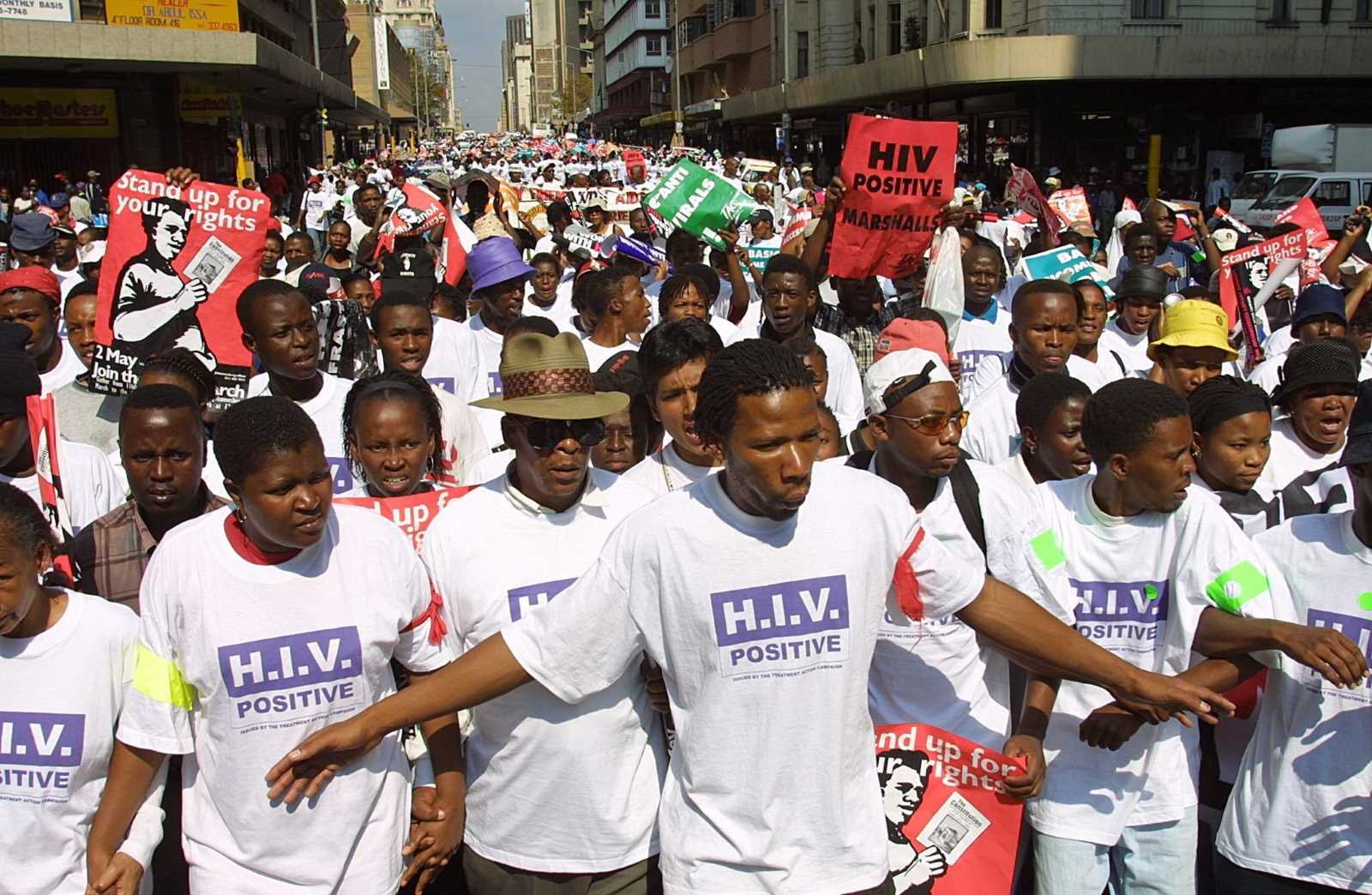
The United States government announced a permanent halt to health funding aimed at curbing HIV and AIDS in South Africa.
This decision terminates a critical humanitarian partnership that historically provided nearly 400 million dollars annually to the African nation.
Over eight million South Africans currently live with HIV, representing the largest affected population of any country on Earth.
The sweeping funding cuts are orchestrated through a structured, phased drawdown of the President’s Emergency Plan for AIDS Relief.
Washington explicitly tied this sudden policy shift to Pretoria’s alleged failure to protect the white-minority, landowning Afrikaner community.
Additional diplomatic friction stems from South Africa’s international legal case against Israel and its growing ties with Iran.
South African officials strongly reject these allegations, defending local equity laws as necessary to correct historic apartheid-era economic imbalances.
The White House continues to implement strict limitations on foreign assistance, framing the reduction as a push for self-reliance.
American diplomats maintain that South Africa is an economically capable, middle-income nation fully equipped to fund its domestic healthcare.
A dark shadow now falls across the global health landscape as vital community testing clinics face immediate financial collapse.
Decades of painstakingly built healthcare infrastructure risk unraveling, threatening to ignite a devastating resurgence of preventable viral infections.