
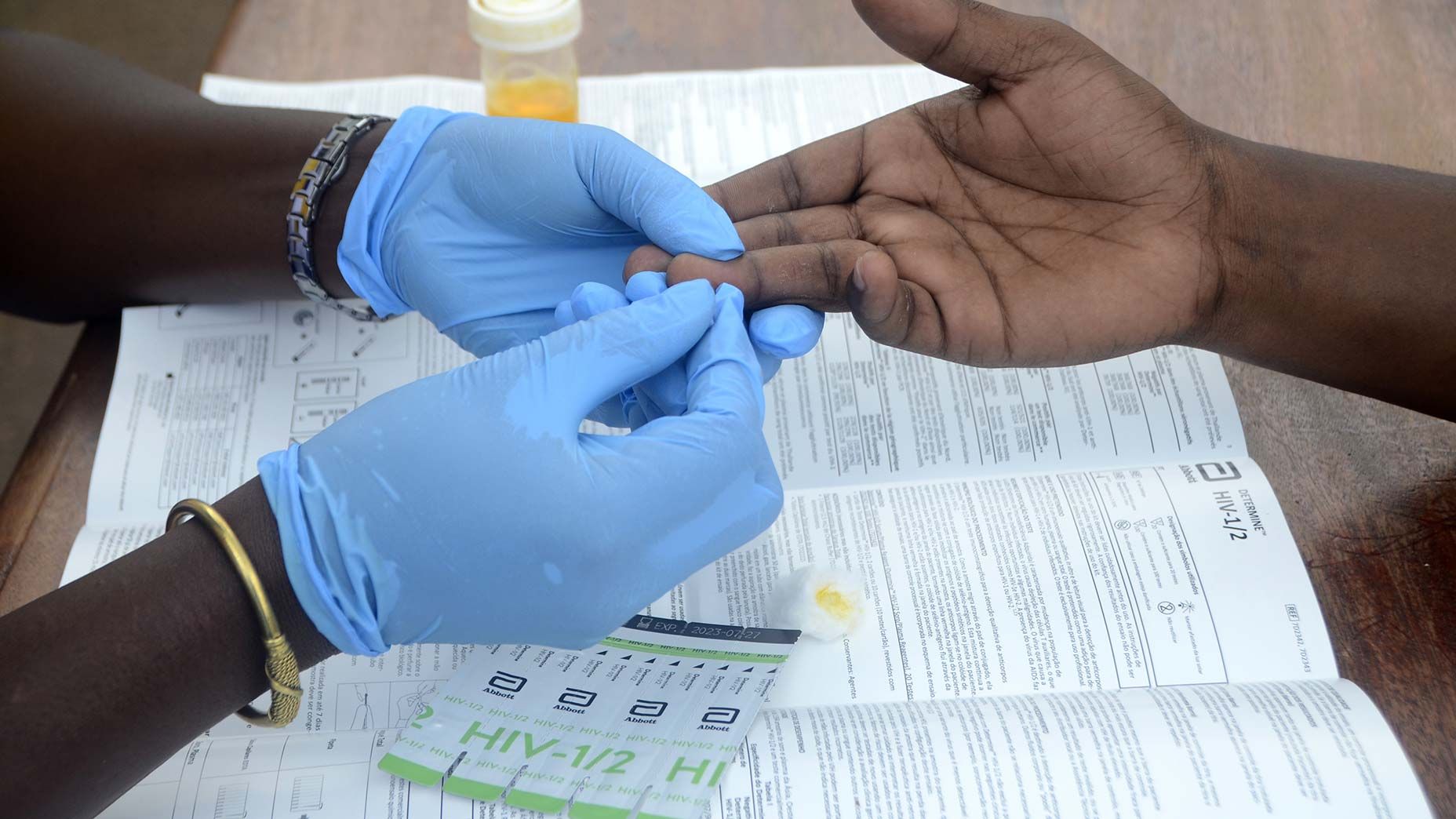
Zimbabwe has rejected a proposed US health funding agreement worth $367 million over five years, citing concerns that the deal was “lopsided” and threatened national control over sensitive biological data.
The decision emerged after a government memorandum from December was leaked, revealing that President Emmerson Mnangagwa objected to US demands for access to biological samples without guarantees that Zimbabwe would benefit from any resulting medical innovations.
Under the proposed agreement, US funding would have supported programmes targeting HIV/AIDS treatment and prevention, tuberculosis, malaria, maternal and child health, and disease outbreak preparedness.
US Ambassador to Zimbabwe Pamela Tremont said Washington would now begin winding down its health assistance programmes in the country. The US embassy said the United States has provided more than $1.9 billion in health funding to Zimbabwe over the past two decades.
Zimbabwean government spokesperson Nick Mangwana said the agreement would have required the country to share biological resources and health data for extended periods without assurances of access to vaccines, diagnostics, or treatments developed using that data.
“In essence, our nation would provide the raw materials for scientific discovery without any guarantee that the end products would be accessible to our people during a future health crisis,” Mangwana said.
He added that the US decision to withdraw from the World Health Organization (WHO) and pursue bilateral health agreements had undermined multilateral frameworks already in place, citing the WHO’s Pathogen Access and Benefit Sharing mechanism, which aims to ensure equitable access to medical countermeasures during pandemics.
Mangwana stressed that Zimbabwe’s position should not be interpreted as anti-American, saying Harare remained open to dialogue on future cooperation that respects national sovereignty and equitable benefit-sharing.
Medical professionals have warned that the decision could have serious consequences for public health. The Zimbabwe College of Public Health Physicians said it understood the government’s concerns but urged continued negotiations, noting that much of the country’s HIV response depends on external funding.
“Where technical issues exist, including those related to data governance, these can often be addressed through clarification and negotiated safeguards,” the association said.
The dispute comes amid a broader retrenchment of US foreign aid under President Donald Trump, who has sharply reduced overseas assistance and dismantled the US Agency for International Development, shifting instead toward direct government-to-government agreements.
According to the US embassy, 16 African countries have signed similar health agreements with Washington, representing more than $18.3 billion in new funding.