Author name: yasir

Zambia, Burundi sign 6 bilateral agreements

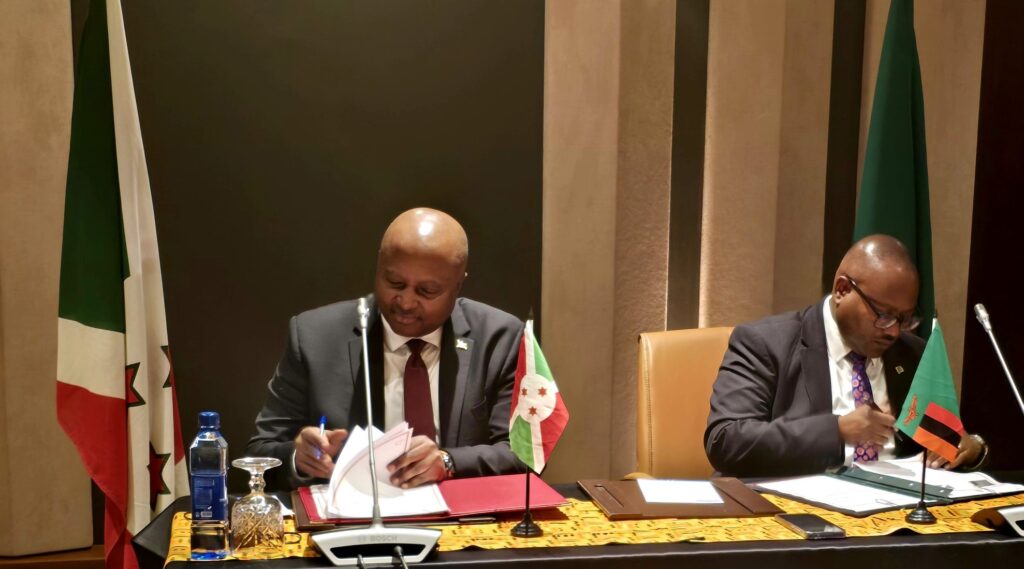
 Zambia and Burundi signed six bilateral agreements Thursday to boost cooperation in various fields, including agriculture and security. The agreements were signed at State House in Lusaka, Zambia’s capital, after the country’s President Hakainde Hichilema and Burundi’s President Evariste Ndayishimiye held official talks. The agreements are in the areas of enhancing commercial cooperation, social welfare and child development systems and agriculture and agriculture research. The two countries will also collaborate in the education sphere under an agreement between the University of Zambia and the University of Burundi, the extradition of fugitives and criminals under a security agreement, and in fisheries and livestock. In a preliminary session of the two leaders’ talks, Hichilema and Ndayishimiye reflected on the ties between their countries, calling for the exploration of more trade and investment opportunities with a spillover effect to the rest of the subregion. Hichilema said he wanted to see better utilization of the Tanganyika Corridor, a link between the Southern African Development Community (SADC) and the Great Lakes region, to enhance trade and connectivity. Hichilema, who also chairs the Common Market for Eastern and Southern Africa (COMESA) Authority, a role he will hand over to Ndayishimiye in Bujumbura this October, also called for enhanced peace, security and stability as a harbinger for development and economic transformation. Ndayishimiye called for increased cooperation between the two countries targeting agriculture and mining, as both countries are rich in natural resources which can be mutually utilized to improve livelihoods. Ndayishimiye is in the southern African nation on a three-day visit at Hichilema’s invitation. He will address the Zambian National Assembly on Friday and grace the country’s 96th Agriculture and Commercial Show on Saturday.

Zambia, Burundi sign 6 bilateral agreements Read More »

Haniyeh’s funeral ceremony begins in Tehran

 The funeral ceremony for Ismail Haniyeh, the head of the Palestinian Hamas group’s political bureau, began early Thursday in the Iranian capital of Tehran, with a large number of people and officials participating, including Iranian President Masoud Pezeshkian, local media reported. The Iranian Mehr News Agency released a short video of the funeral ceremony, which featured Hamas top figures. According to the official IRNA news agency, Iran’s Supreme Leader Ayatollah Ali Khamenei will lead the funeral prayers. On Wednesday morning, Hamas and Iran announced the assassination of Haniyeh in an Israeli airstrike targeting his residence in Tehran, a day after he attended the inauguration of Iranian President Masoud Pezeshkian. Though Israel has remained silent about Haniyeh’s death, Prime Minister Benjamin Netanyahu has hinted at Tel Aviv’s involvement in his assassination. Israel, flouting a UN Security Council resolution demanding an immediate cease-fire, has faced international condemnation amid its continued brutal offensive on Gaza since an Oct. 7, 2023 attack by the Palestinian resistance group Hamas. At least 39,445 Palestinians have since been killed, mostly women and children, and over 91,000 injured, according to local health authorities. Nearly 10 months into the Israeli war, vast tracts of Gaza lie in ruins amid a crippling blockade of food, clean water and medicine. Israel stands accused of genocide at the International Court of Justice, which ordered it to immediately halt its military operation in the southern city of Rafah, where over a million Palestinians had sought refuge from the war before it was invaded on May 6.

Haniyeh’s funeral ceremony begins in Tehran Read More »

Oil up amid growing geopolitical conflicts in Middle East

 Oil prices increased on Thursday amid growing tension in the Middle East following the assassination of Ismail Haniyeh, the head of the Palestinian Hamas group’s political bureau, and positive demand outlook in the US, supported by inventory data from the Energy Information Administration (EIA). International benchmark Brent crude traded at $81.44 per barrel at 10.13 a.m. local time (0713 GMT), a rise of 0.74% from the closing price of $80.84 per barrel in the previous trading session. The American benchmark West Texas Intermediate (WTI) traded at $78.33 per barrel at the same time, a 0.53% increase from the previous session that closed at $77.91 per barrel. Haniyeh was killed in an Israeli airstrike on his Tehran apartment the day after attending Iranian President Masoud Pezeshkian’s inauguration, according to announcements made by Iran and Hamas on Wednesday morning. Though Israel has remained silent about Haniyeh’s death, Prime Minister Benjamin Netanyahu has hinted at Tel Aviv’s involvement in his assassination. Escalating geopolitical tensions in the regoin, home to a vast majority of global oil reserves, despite cease-fire negotiations, supported upward price movements by increasing supply risk in the markets. Meanwhile, data indicating a drop in crude stocks in the US, the world’s largest oil-consuming country, lent support to crude oil prices by suggesting that oil demand was increasing. According to data released by the EIA late Wednesday, US commercial crude oil inventories decreased by 3.4 million barrels to 433 million barrels during the week ending July 26. The drop in inventory was well above the market prediction of a 1.6 million barrels fall. However, the rise of the US dollar against other currencies limited further price rises. Strong dollar ramped up prices for non-US currency holders and discouraged investors. The US dollar index rose by 0.09% to 104.18 at 9.58 a.m. local time (0658 GMT), compared to the previous trading session.

Oil up amid growing geopolitical conflicts in Middle East Read More »

Cholera death toll in Nigeria rises to 156

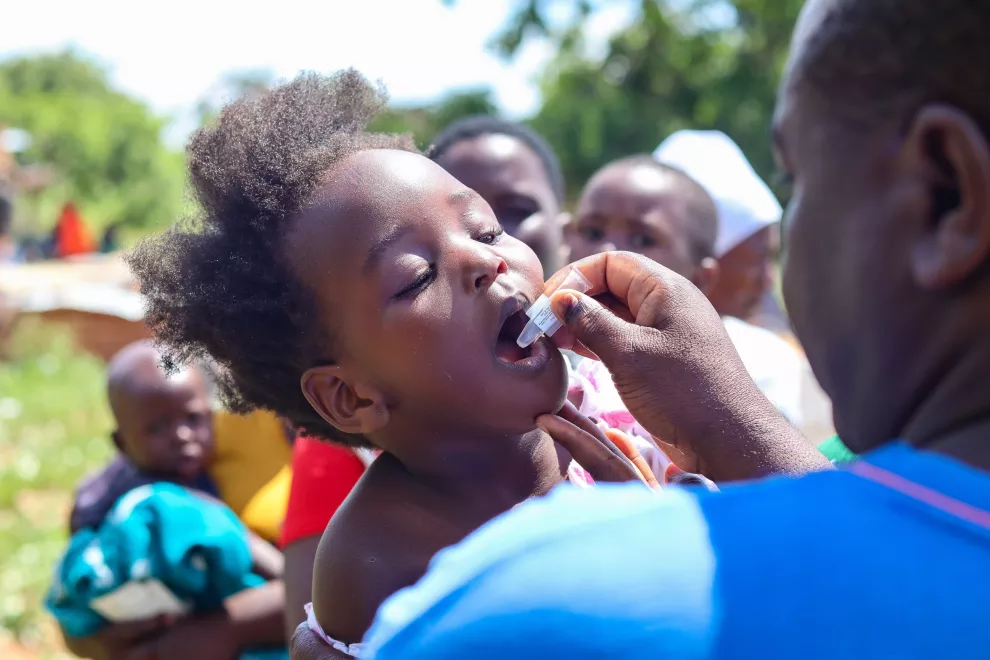
The cholera outbreak in Nigeria has now claimed 156 lives, according to the Nigeria Center for Disease Control (NCDC). Between July 15 and 21, the country reported 170 new cases and three deaths. Since January, there have been 4,809 reported cholera cases. In response, medical supplies for case management and infection control have been distributed to health centers nationwide. Nigeria declared a national emergency on June 26 due to the outbreak. Last year, Nigeria recorded over 3,000 cholera cases and more than 100 deaths. Cholera, caused by the bacterium Vibrio cholerae and spread through contaminated food and water, can lead to severe diarrhea and dehydration, which can be fatal if untreated. The country’s challenges with clean water access and medical resources exacerbate the risk of disease. Additionally, Nigeria frequently contends with outbreaks of malaria, polio, typhoid, and monkeypox.

Cholera death toll in Nigeria rises to 156 Read More »

Nigeria plans nationwide protests over economic struggles

Nigerians are planning nationwide protests this week to tackle the worst cost-of-living crisis the country has seen in decades. With strong backing on social media, there are concerns that the demonstrations could mirror the deadly anti-police brutality protests of 2020 or lead to unrest similar to the recent chaotic protests in Nairobi over a tax hike. President Bola Tinubu’s government is working to prevent such outcomes. Local media reported on Tuesday that organizers of the planned protests against rising economic hardships on Thursday have rejected a police proposal to confine the rallies to specific areas. Human Rights Watch criticized the officials’ response, suggesting it reflects a concerning willingness to suppress dissent.

Nigeria plans nationwide protests over economic struggles Read More »

Rwanda leading Africa’s surgical revolution

Rwanda’s IRCAD Africa Advances Surgical Training Across the Continent ICRAD Africa, based in Rwanda, has trained over 300 African surgeons in minimally invasive surgery, addressing the gap between high and low-income countries in high-tech surgical practices, according to a government health official. Inaugurated as the continent’s sole center focused on research and training in minimally invasive surgery, IRCAD Africa aims to enhance Africa’s medical expertise. This modern technique reduces pain and trauma for patients, leading to shorter hospital stays, lower risks of bleeding and infection, and faster recovery times. Many African nations still rely on traditional, more invasive surgical methods, which involve longer recovery periods and more significant patient trauma. IRCAD Africa’s managing director, David Kamanda, emphasized that over 95% of Africa’s population lacks access to advanced medical and surgical procedures, highlighting the center’s role in bridging this gap. Surgeons from 25 African countries and beyond have trained at IRCAD Africa, chosen for its global rankings, safety, and connectivity. Founded in 1994, IRCAD has become a global leader in minimally invasive surgery (MIS) and its application in low- and middle-income countries is expected to reduce surgical mortality in poorly equipped hospitals. Rwandan President Paul Kagame praised IRCAD Africa’s launch, seeing it as a significant investment in public health infrastructure. Dr. Anel Lengton, a South African general surgeon, lauded the center for providing real-time practice on actual tissue, a rare opportunity. Dr. Omeke Joseph Chigozie from Nigeria, training in laparoscopic techniques, praised IRCAD Africa for its potential to produce future medical leaders and impact not just Rwanda and Africa, but the world.

Rwanda leading Africa’s surgical revolution Read More »

Genocide survivor reflects on faith and resilience 30 years later

Thirty years ago, Pascal Kanyemera, then a teenager hiding from the machetes that claimed his father, two brothers, and around 800,000 others during the Rwandan genocide, made a pact with God. “If I survive one more week, I will give you 100 Rwandan francs,” he prayed. God listened, and Kanyemera, now 46 and living in Ottawa, Canada, kept his promise, paying 400 Rwandan francs in total. “It shows how much I trusted in His protection,” he says. Kanyemera’s grandmother, uncles, and cousins were among the thousands of Tutsis killed by Hutu extremists in the genocide, which began on April 6, 1994, when a plane carrying President Juvénal Habyarimana was shot down. Hutus blamed the Tutsis for the attack, leading to widespread massacres with military and police support. Kanyemera, hiding in a school, learned of his family’s deaths only after he was reunited with his mother and sisters in a French-controlled refugee camp in late May. Survivors like Kanyemera and Frida Umuhoza, who witnessed her mother’s beheading and survived brutal attacks, recount their harrowing experiences. Umuhoza, in her book Chosen to Die: Destined to Live, describes her ordeal and how Christian faith helped her forgive. Another survivor, Immaculée Ilibagiza, survived 91 days hiding in a pastor’s bathroom, finding solace in prayer. Kanyemera, now president of the Humura association supporting genocide survivors, attributes his survival to divine intervention. Despite the dangers, including Hutu militias patrolling the school where he hid and planned attacks on refugee camps, he survived. Many survivors, despite the pain, continue to share their stories, educate younger generations, and write about their experiences to prevent future genocides. Tarcisse Ruhamyandekwe, who lost family members in the genocide, emphasizes the importance of remembering and honoring those who perished. He reflects on the brutal nature of the killings and the discrimination Tutsis faced, which started early in life with enforced identification. Ruhamyandekwe, who fled to Congo in 1985 to escape rising violence, recalls the long-standing animosity that fueled the genocide. Despite the challenges, he has preserved memories of his childhood home in Rwanda and shares his experiences with his children. Writing and faith have been his sources of solace and expression. “In my book, I talk about what I call the invisible hand of God,” he says. “Some call it luck, but I believe it was divine guidance.” For Ruhamyandekwe, remembering and teaching future generations about the genocide is crucial for reconciliation and honoring the memory of those lost.

Genocide survivor reflects on faith and resilience 30 years later Read More »

Africa feels climate change effects more severely

The impacts of climate change on livelihoods are varying significantly across regions, with the most vulnerable areas, including many African countries, experiencing severe daily disruptions. According to the Intergovernmental Panel on Climate Change (IPCC), African countries, despite contributing minimally to greenhouse gas emissions, are among the hardest hit by human-induced climate change. Factors such as high dependence on rain-fed agriculture, inequitable access to financial resources, and weak adaptation capacity contribute to the heightened impact. The ND-GAIN index highlights that nine out of the ten most vulnerable and least resilient countries to climate change are in Africa, including Chad, the Central African Republic, Guinea-Bissau, Eritrea, the Democratic Republic of the Congo, Sudan, Niger, Zimbabwe, and Liberia. Climate change is causing rising ocean levels that threaten Africa’s coastal metropolises with reduced land area, increased coastal flooding, and stronger storm surges. The African coastline has been experiencing a steady rise in sea levels for the past four decades. Experts predict that if this trend continues, sea levels could rise by 0.3 meters by 2030, affecting 117 million Africans. The survival of Africa’s coastal ports, which handle an estimated 90% of the continent’s import and export trade, is at risk. This poses a concern for Africa’s rapidly growing population and urbanization in coastal areas. Rising sea levels reveal the stark and destructive impact of global warming on a continent already facing rapid population growth and land pressure. Coastal cities are also facing increased public health risks due to rising groundwater levels and the transformation of urban areas into wetlands. In addition, rising sea levels are causing severe flooding and erosion. The World Bank estimates that erosion, flooding, and pollution are causing approximately $3.8 billion in annual damage along 56% of the coastline in Benin, Ivory Coast, Senegal, and Togo. Alexandria, located in the Nile Delta, is among the densely populated coastal cities at risk of being submerged within 30 years. A sensitivity assessment for Alexandria, Rosetta, and Port Said predicts that a 0.5-meter rise in sea levels by 2050 could displace over 2 million people, result in 214,000 job losses, and cause over $35 billion in damages. A 1-meter rise could lead to $50 billion in damage solely in Alexandria. In Lagos, Nigeria, a city of over 20 million people, the total annual cost of river and water flooding is estimated at $4 billion. Some forecasts suggest that a 3-degree increase in global warming could force one-third of Lagos’s population to relocate due to rising sea levels. The World Bank reports that Dakar, Senegal, has $39 billion worth of economic assets vulnerable to flooding. The city of St. Louis in Senegal is disappearing under rising waters, displacing many residents. Mozambique’s coastal cities are also at risk, situated along a cyclone path that is expanding and intensifying due to rising sea surface temperatures.

Africa feels climate change effects more severely Read More »

Flooding in Eastern Sudan’s Kassala province displaces residents

Flooding in Kassala Province, eastern Sudan, has exacerbated the plight of displaced individuals seeking refuge there. In the Industrial School area, one of Kassala’s largest displacement camps, residents are urgently appealing for aid. Ali Abdul Jabbar, an internally displaced person from Sennar, shared his situation: “We’ve been here for 20 days after fleeing Sennar. The rain and water conditions are evident. We’re facing issues with our accommodations, but once they’re repaired, we’ll move in. We urge authorities to address these conditions swiftly.” Another displaced resident, Merwan Abood from Sennar, described the situation as dire and called for immediate assistance: “I urge all compassionate individuals in Kassala, Sudan, and beyond to provide essential supplies such as equipment, shelter, blankets, clothing, and medicine.” In Kassala, people are navigating knee-deep floodwaters, holding onto their salvaged belongings, while some have resorted to resting on dry ground after abandoning their partially submerged tents. According to the Sudanese Ministry of Health, at least 12 people have died due to the flooding that began on Saturday, which has submerged homes and tents. The crisis follows last year’s upheaval in Sudan, where clashes between the military and the RSF in Khartoum and other regions led to widespread violence. The U.N. reports over 14,000 deaths and 33,000 injuries from the conflict, though activists believe the figures may be higher. This ongoing conflict has resulted in the largest displacement crisis globally, with over 11 million people displaced from their homes.

Flooding in Eastern Sudan’s Kassala province displaces residents Read More »

Mali: Nearly 50 Wagner fighters killed in ambush

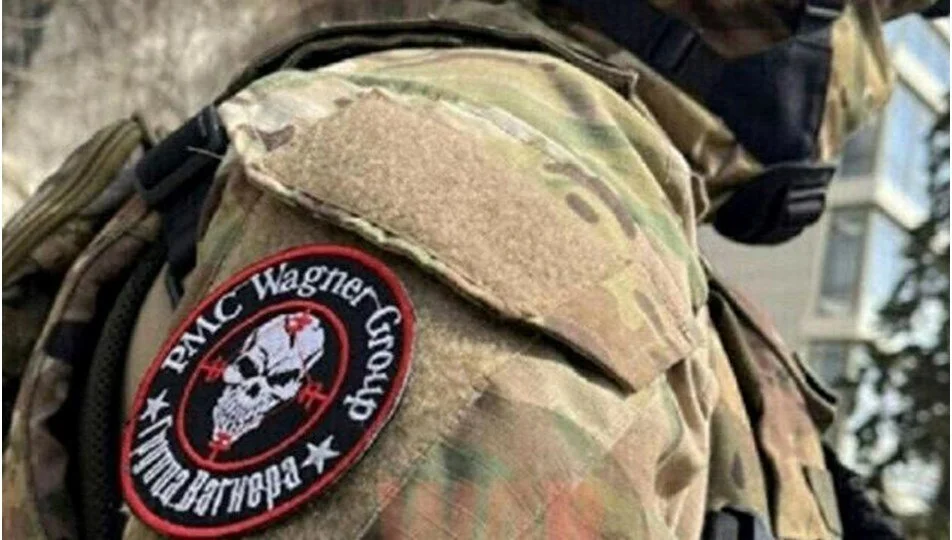
Over the weekend in northern Mali, dozens of Wagner mercenaries were killed by jihadis and rebels in what has been described as the most significant blow to the Russian group in years. At least two Wagner fighters were captured. Around 50 Wagner personnel were killed in an al-Qaida ambush that also involved pursuing rebels near the Algeria border, according to Wassim Nasr, a Sahel specialist at the Soufan Center. Nasr, who reviewed footage of the aftermath, reported that the convoy, which was retreating from a battle with Tuareg rebels and Mali’s army, was attacked south of Tinzaouaten. Wagner confirmed in a Telegram statement that some of its fighters and Malian troops were killed in the clash with hundreds of militants, though they did not specify the number of casualties. Mali’s army reported two soldiers dead and 20 rebels killed. Al-Qaida claimed responsibility for the attack, stating that it was a retaliation for past massacres in Mali, and claimed 50 Wagner fighters were killed. Tuareg rebels reported that some mercenaries and Malian soldiers had surrendered to them. The Associated Press could not immediately verify the video mentioned by Nasr. Nasr described the incident as unprecedented in Africa and likely to shift dynamics in the region. He noted that Wagner’s previous claims of success are contradicted by their limited capacity to sustain such operations or secure territory. Wagner has been active in Mali since late 2021, following a military coup, replacing French troops and international peacekeepers. Their presence, aimed at countering militants and securing mineral resources, has also been marked by allegations of civilian casualties. Independent analyst John Lechner suggested that the ambush reflects Wagner’s overstretched and overconfident stance in Mali. He noted that Wagner’s setbacks are often attributed to private military companies, while Russian defense victories are emphasized.

Mali: Nearly 50 Wagner fighters killed in ambush Read More »

Scroll to Top