
African officials warn that surging oil prices linked to the Iran conflict threaten monetary policy and economic recovery across the continent.
Central banks from Accra to Luanda had been easing rates to stimulate growth, supported by falling inflation and stable currency conditions.
That trend may now be paused as geopolitical uncertainty forces a reassessment of policy tools and financial strategies across Africa.
Uganda’s central bank described heightened global uncertainty as a defining feature of today’s economy, challenging central banks in unprecedented ways.
Angola’s central bank held interest rates after three consecutive cuts, citing risks from prolonged Middle East conflict disrupting critical supply chains.
Analysts predict Ghana, Nigeria, Zambia, and Kenya may also halt easing cycles, weighing the knock-on effects of higher energy prices.
JPMorgan reduced expected rate cuts across Nigeria, Kenya, Ghana, and Zambia, leaving Angola as the sole exception in their revised forecast.
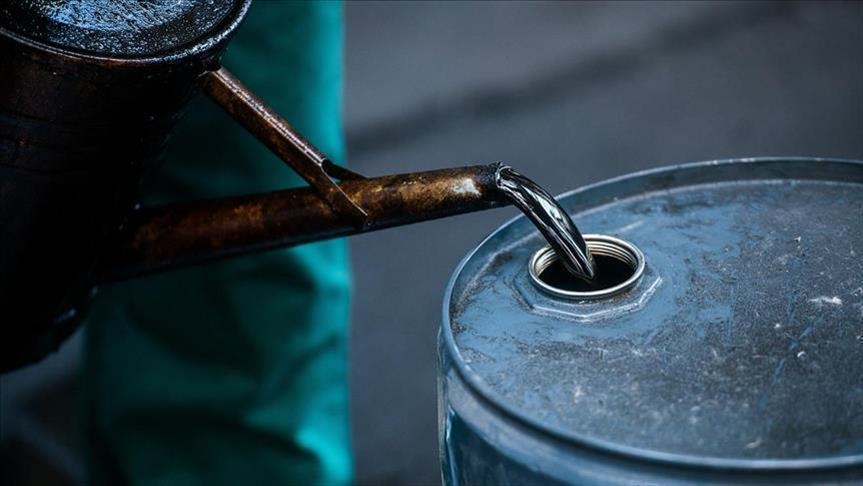
Brent crude briefly surged toward $120 per barrel earlier in the week, settling just below $100 as volatility rattled markets.
Charlie Robertson of FIM Partners warned that sustained $100 oil could weaken most African currencies by roughly five percent.
Moody’s highlighted that even oil-exporting nations like Nigeria and Angola face slower growth due to global spillovers, despite potential revenue gains.
Nigeria has strengthened buffers with its first major refinery and removal of fuel subsidies, aiming to mitigate energy price shocks.
Kenya maintains sufficient fuel stocks, while Ethiopia and Zambia implement subsidies and stock management to protect consumers amid rising costs.
Rising fuel prices are expected to impact productivity in sectors like mining, crucial for foreign currency and regional economic stability.
Zambia’s Mines Minister Paul Kabuswe noted that higher fuel costs threaten output, adding that the hope rests on an end to the war.
The unfolding crisis underscores Africa’s vulnerability to external shocks, highlighting fragile recoveries and the complex interplay between geopolitics and domestic economics.