
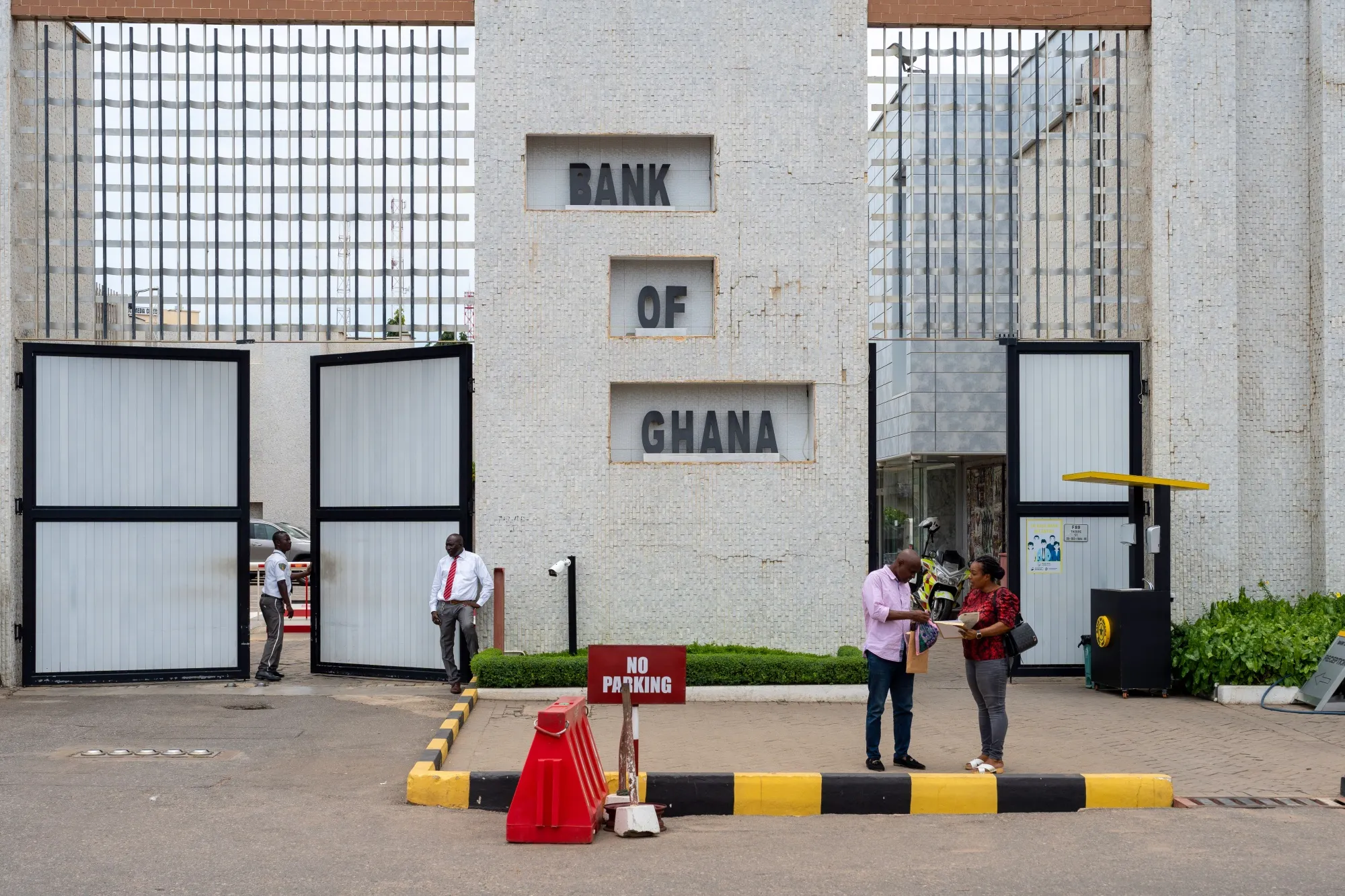
Ghana’s President John Dramani Mahama declared on Friday that the country is rebounding from its deepest economic crisis in decades.
He highlighted slowing inflation, a stronger cedi, and falling debt as signs of renewed financial stability and investor confidence.
The West African nation sought an IMF bailout in December 2022 after surging debt, currency collapse, and soaring prices forced restructuring.
Mahama, re-elected in December 2024, unveiled new spending to boost 24-hour manufacturing, exports, and energy investments, including offshore oil and gas.
Addressing parliament in Accra, he declared, “Ghana is back” and “open for business,” presenting the nation as a safer investment destination.
“Our focus now is stability, jobs, and growth,” he said, emphasizing the government’s commitment to protect economic foundations already laid.
Economic growth averaged 6.1 percent in 2025, while inflation slowed sharply to 3.8 percent in January from more than 50 percent in 2022.
The cedi strengthened roughly 40 percent against the dollar, easing import costs and fuel price pressures across the country.
Public finances improved, with a primary budget surplus and the debt-to-GDP ratio cut to 45.3 percent from nearly 62 percent a year earlier.
Foreign reserves rose to $13.8 billion, covering almost six months of imports, supported by higher gold exports and growing remittances.
Ghana repaid $1.4 billion in debt service and settled part of its eurobond obligations early to restore credibility with international markets.
Mahama’s address painted a picture of resilience, signalling that Ghana aims to transform fiscal recovery into long-term growth and investor confidence.