
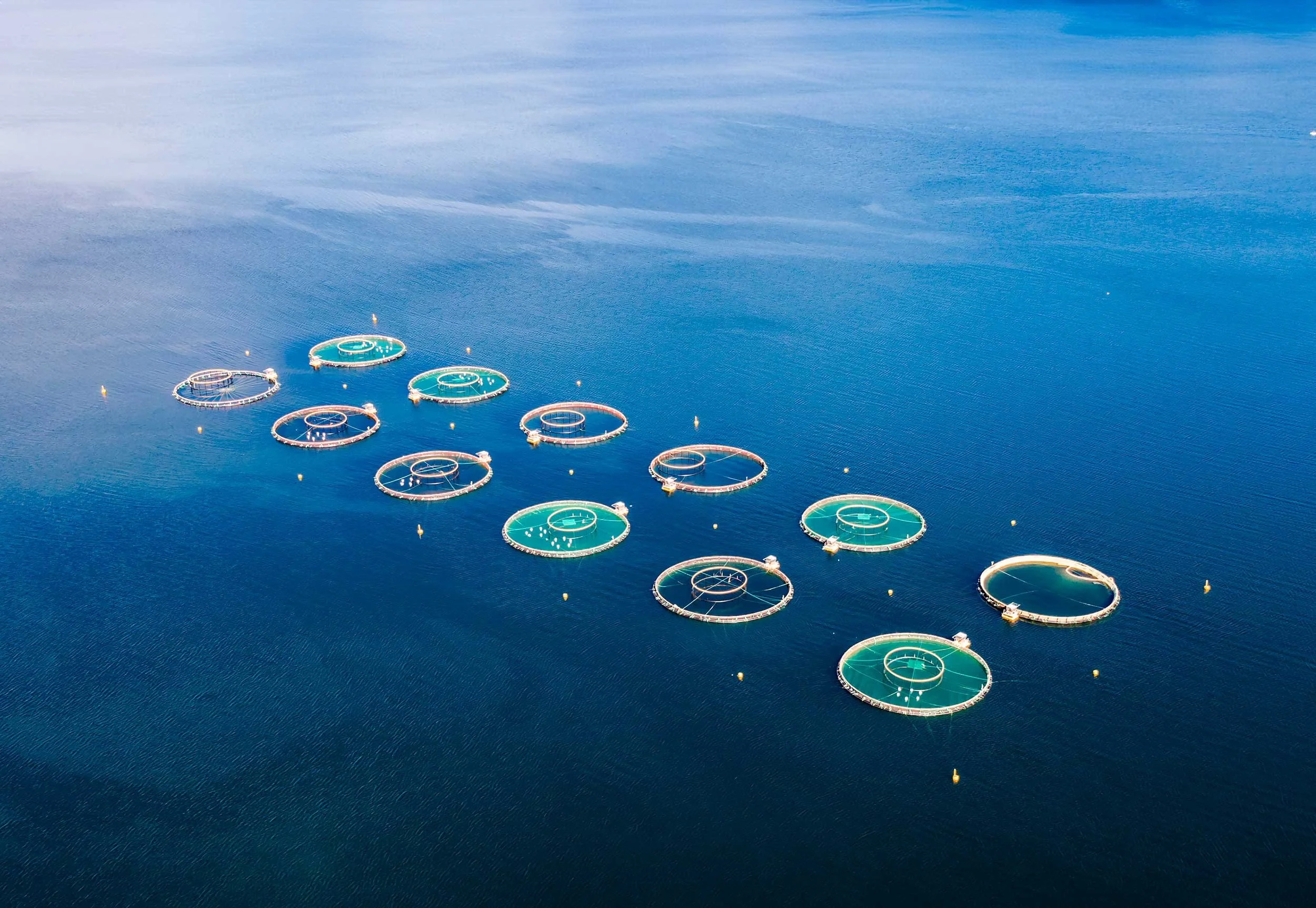
A Norwegian-led group is launching Namibia’s first commercial salmon farms, aiming to make the African nation a sea-based producer.
Cold Atlantic waters off Namibia and South Africa offer ideal conditions, though previous large-scale salmon projects in the region have failed.
The African Aquaculture Company (AAC) has invested roughly one million dollars, targeting its first harvest in about two years, company representatives said.
Benguela Blue Aqua Farming, a second licensed group, is raising funds to establish its own salmon farming operations nearby.
Senior government official Kaire Mbuende called Namibia’s initiative “bold and forward-looking,” promising jobs and economic diversification amid declining traditional fishing stocks.
AAC has imported its first batch of salmon ova from Europe for acclimatisation at a freshwater hatchery in South Africa.
By the third quarter, the facility expects 50,000 eggs, potentially scaling to 350,000, according to country director Clement Kaukuetu.
Construction of floating cages will begin off Luderitz, with eggs transported 1,200 kilometres from the hatchery before release into Atlantic waters.
The initial salmon harvest is projected for late 2027 or early 2028, first supplying local markets, then potential buyers in the Middle East and Asia.
AAC aims for a pilot-phase output of 1,000 tonnes, eventually reaching 51,000 tonnes, modest compared with Norway’s 1.5 million tonnes annually.
Salmon demand is surging globally, particularly in emerging markets, due to its nutrient density and high-protein value, according to industry sources.
Norway’s crowded industry sees Namibia as an opportunity, with abundant coastal space and cool waters of 10-15°C providing a potential “sweet spot” for salmon.
Experts caution that harsh seas previously destroyed cages in South Africa, and critics warn salmon farms risk pollution, disease, and chemical contamination.
Namibian ecologist Peter Cunningham highlighted concerns over insecticides, hormones, antibiotics, and other treatments entering the marine environment with industrial-scale operations.
Despite challenges, AAC and the Namibian government pursue industrial-scale salmon production, hoping to turn a desert nation into Africa’s Atlantic salmon frontier.