
Nigeria has announced new measures to ease rising fuel costs, including a 30-day petrol discount for public transport operators, as the country prepares for presidential elections in January.
The government says the Nigeria petrol discount will help households and businesses cope with higher energy costs without restoring the fuel subsidies removed in 2023.
Petrol prices have climbed to around 1,400 naira ($1) per litre, compared with approximately 830 naira before the conflict in the Middle East.
Finance Minister Taiwo Oyedele announced the measures on Thursday, alongside plans to reduce future fuel price volatility.
Nigeria introduces 30-day petrol discount
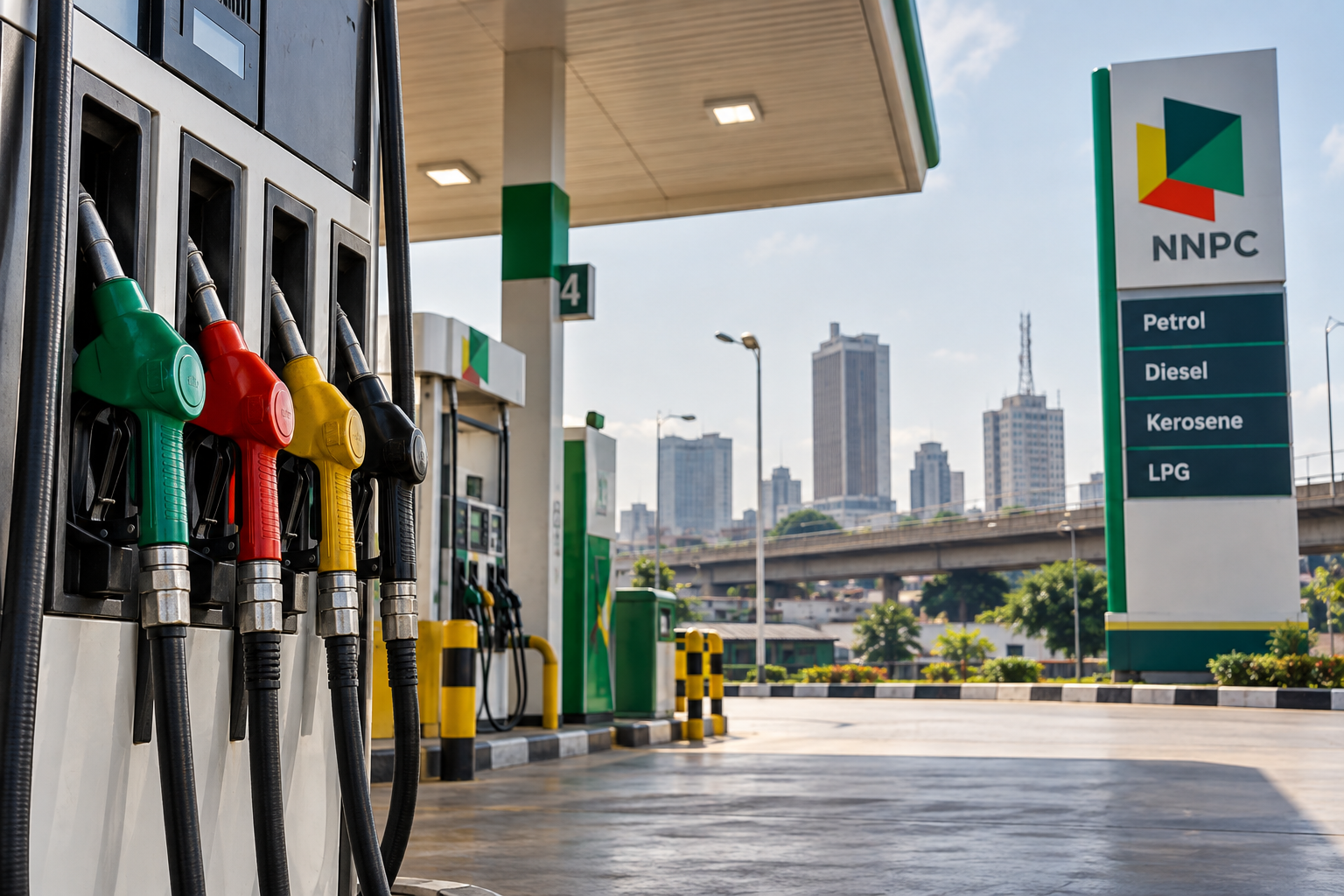
According to Africanews, citing AFP, the Nigerian government will offer discounted petrol through Nigerian National Petroleum Company Limited (NNPC) stations.
The measure will initially last 30 days, with public transport operators receiving priority nationwide.
Oyedele said the government intends to sell fuel at cost rather than reintroduce the previous subsidy system.
However, he did not announce the exact discounted price.
The minister explained that the measures aim to reduce financial pressure on Nigerians while maintaining the government’s broader economic reforms.
Public transport operators are among those most affected by rising petrol costs.
Higher fuel prices can also increase transport fares and the cost of moving food and other goods across the country.
Petrol prices rise sharply in Nigeria
Nigeria is Africa’s leading oil producer and home to the continent’s largest refinery, owned by businessman Aliko Dangote.
Despite its oil resources and refining capacity, the country has experienced a sharp increase in petrol prices.
According to the report, petrol now costs around 1,400 naira per litre, up from approximately 830 naira before the Middle East conflict.
The increase has added to the financial challenges facing households and businesses.
President Bola Tinubu removed Nigeria’s longstanding petrol subsidy after taking office in 2023.
His government also introduced major currency reforms, including allowing the naira to trade more freely.
Supporters of the reforms argue that they were necessary to address economic imbalances and reduce government spending.
However, the changes have contributed to higher living costs, increasing pressure on consumers.
Tinubu has defended the reforms, arguing that maintaining the previous subsidy system would have created greater financial problems.
Government considers petrol price ceiling
Beyond the temporary Nigeria petrol discount, the government is developing a longer-term mechanism to limit sharp changes in pump prices.
Oyedele said officials are negotiating a petrol price ceiling of 1,350 naira per litre.
Under the proposed arrangement, refiners and importers would absorb costs above the ceiling.
They would then recover those costs when global oil prices or exchange rates become more favourable.
The minister said the mechanism would reduce the impact of sudden changes in international crude prices and currency markets.
He also maintained that the arrangement would not constitute a traditional fuel subsidy or direct price control.
The proposed ceiling would undergo monthly reviews.
However, the government has not yet confirmed when the mechanism will take effect.
Opposition questions fuel relief measures
The announcement has drawn criticism from opposition politicians ahead of Nigeria’s January presidential election.
The Nigeria Democratic Congress, which is fielding Peter Obi as a presidential candidate, criticised the temporary discount.
The party argued that the measure could amount to reintroducing fuel subsidies indirectly.
Obi has said he would seek to lower consumer prices partly by tackling corruption.
Meanwhile, opposition candidate Atiku Abubakar questioned what would happen when the initial 30-day discount expires.
He raised concerns that Nigerians could face the same high petrol prices and transport costs once the measure ends.
Abubakar has proposed a targeted subsidy system linked to fuel refined domestically.
His proposal would involve capped and budgeted support intended to reduce pump prices.
Fuel costs become major issue before January election
Nigeria is scheduled to hold its presidential election on January 16.
Rising living costs have become an important issue in the political debate.
Petrol prices directly affect transport costs, food distribution and household spending.
As a result, government measures to reduce fuel costs are likely to attract considerable public attention.
The administration says its approach will provide temporary relief while preserving the economic reforms introduced under Tinubu.
However, questions remain about the final discount, the proposed price ceiling and the long-term impact on consumers.
For now, the Nigeria petrol discount represents the government’s latest attempt to ease the financial burden of higher energy prices.