
Oil prices have surged past $100 per barrel as the escalating conflict in the Middle East threatens global energy supplies and disrupts shipping through one of the world’s most critical maritime chokepoints.
Brent crude jumped roughly 17% on Monday to trade at about $107 a barrel, its highest level since 2022, when Russia’s invasion of Ukraine sent shockwaves through global energy markets.
The spike comes amid growing regional instability following Iran’s appointment of Mojtaba Khamenei, the son of the late supreme leader, as the country’s new leader. The development has heightened geopolitical tensions and deepened uncertainty across energy markets.
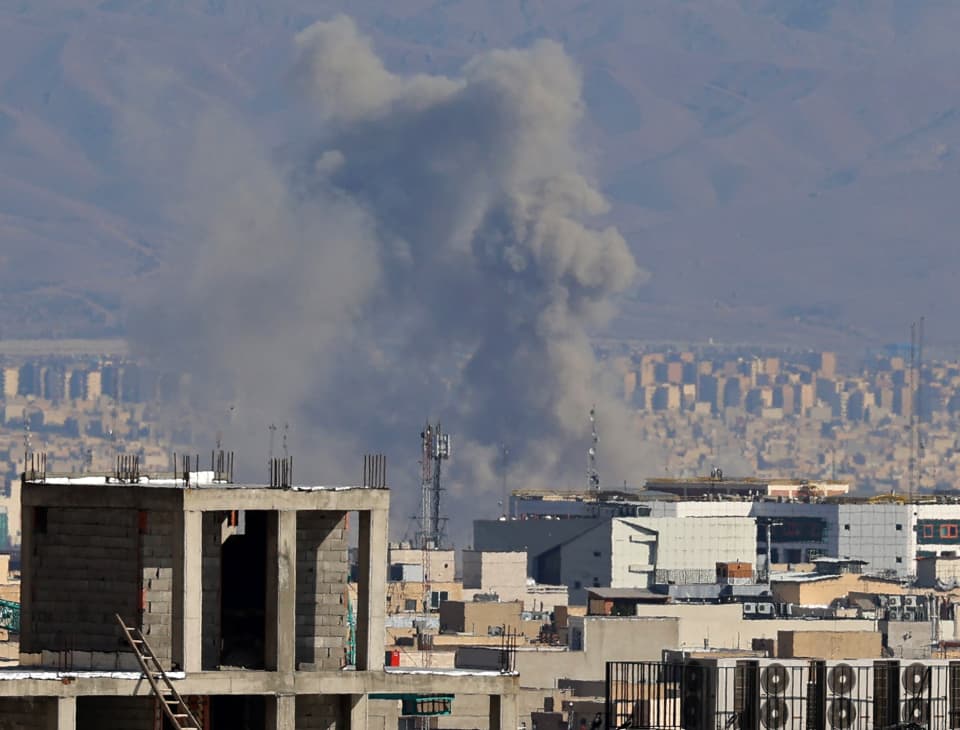
Maritime security risks have also intensified. Around 10 vessels operating in or near the Strait of Hormuz have been attacked since Iran moved to restrict passage through the strategic waterway in response to U.S.–Israeli airstrikes, according to maritime monitoring groups.
The Strait of Hormuz is one of the most vital energy corridors in the world, typically carrying about 20% of global oil and liquefied natural gas shipments. However, tanker traffic through the strait has plunged by roughly 90% over the past week, according to shipping analytics firm Kpler, which operates the MarineTraffic platform.
Earlier this month, a senior commander in Iran’s Revolutionary Guards warned that Tehran would “burn any ship” attempting to cross the strait and halt all Gulf oil exports if attacks on Iran continued.
Despite those threats, Iran’s Foreign Minister Abbas Araghchi said Thursday that Tehran has “no intention” of formally closing the Strait of Hormuz.
Energy analysts say markets are bracing for further volatility as traders assess the likelihood of prolonged supply disruptions while diplomatic efforts continue to try to prevent a wider regional escalation.