
Pakistan has struck a multibillion-dollar arms deal with Libya’s eastern-based Libyan National Army, defying a longstanding United Nations embargo. Four Pakistani officials said the agreement exceeds $4 billion, making it one of Pakistan’s largest-ever military export contracts.
The deal was finalised after Pakistan’s army chief Asim Munir met LNA deputy commander Saddam Khalifa Haftar in Benghazi last week. Officials involved in defence matters spoke anonymously, citing the political and diplomatic sensitivity surrounding Libya’s fractured security landscape.
Pakistan’s foreign ministry, defence ministry and military did not respond to requests for official comment on the reported agreement. Documents seen by Reuters show Libya plans to purchase JF-17 fighter jets and Super Mushak trainer aircraft, developed and produced by Pakistan.
Officials said the broader deal spans land, sea and air systems, delivered gradually over two and a half years. Two officials valued the agreement at $4.6 billion, while others estimated it slightly above $4 billion.
Libya has remained under a UN arms embargo since 2011, following the NATO-backed uprising that toppled Muammar Gaddafi. A UN expert panel said in December 2024 the embargo was “ineffective,” with foreign states increasingly open about military support to Libyan factions.
It remains unclear whether Pakistan or Libyan authorities sought UN approval or exemptions for the weapons transfers. The LNA confirmed a defence cooperation pact with Pakistan, citing weapons sales, training and joint manufacturing.
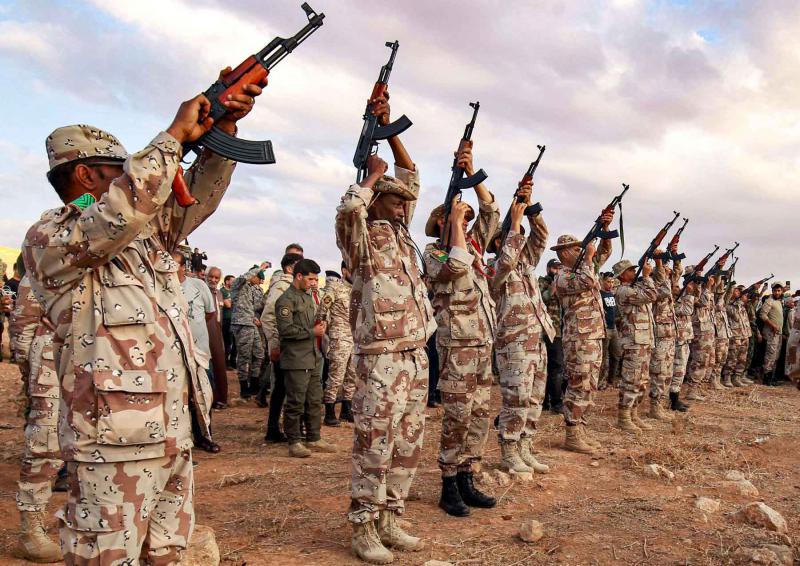
Libya remains divided between rival governments, with Haftar’s forces controlling the east and key southern oilfields. Islamabad has been aggressively expanding defence exports, promoting its combat experience and domestically produced weapons systems.
Military chief Munir said recent clashes with India showcased Pakistan’s advanced capabilities to global buyers. The Libya deal would deepen Pakistan’s reach into North Africa, where global powers compete for influence and energy wealth.