
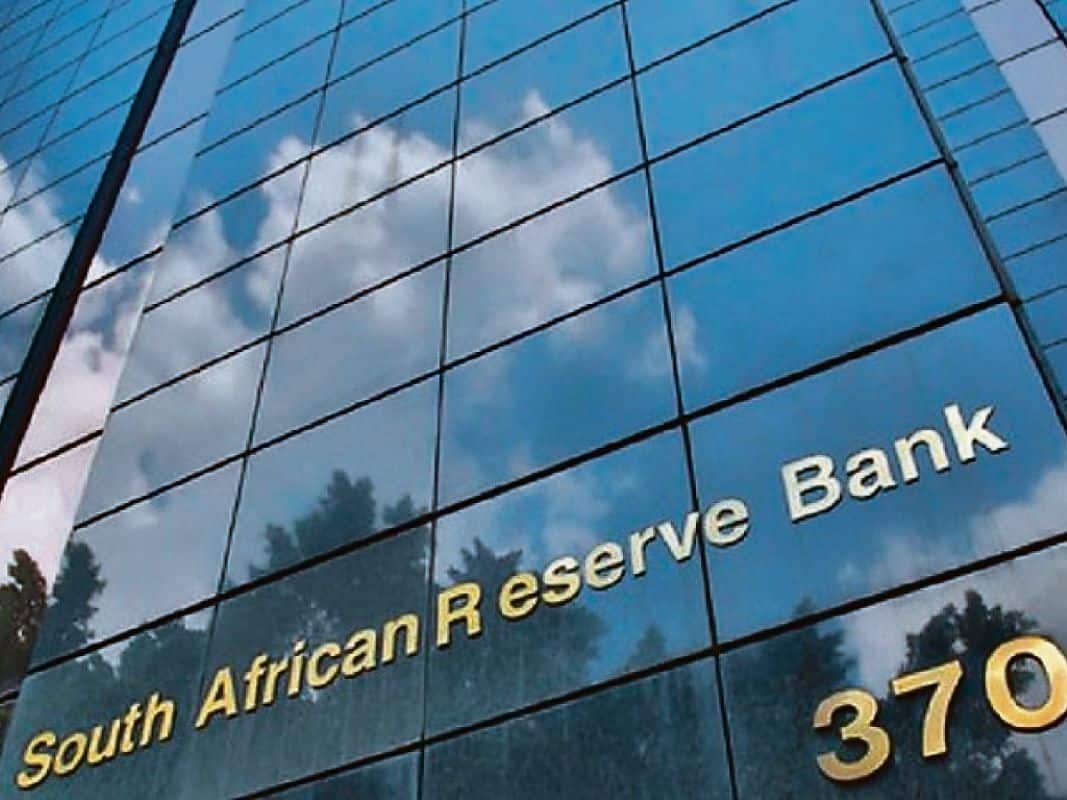
South Africa’s central bank sees little room for interest rate cuts as Middle East conflict fuels inflation and deepens uncertainty across global commodity markets.
Governor Lesetja Kganyago said volatile fuel and fertiliser prices are clouding economic forecasts, complicating efforts to stabilise growth and inflation expectations.
Speaking in Washington during IMF and World Bank spring meetings, he warned the conflict is clearly slowing growth while pushing inflation higher.
“In an environment where inflation is expected to rise, talk of easing monetary policy becomes increasingly unrealistic,” Kganyago said in a measured tone.
The South African Reserve Bank held its benchmark rate at 6.75% last month, signalling caution as energy costs ripple through the economy.
Policymakers are relying on evolving scenarios rather than fixed forecasts, reflecting the unpredictable swings in global commodity prices.
Earlier projections assumed oil prices averaging 94 dollars per barrel and a sharp depreciation in the national currency.
Kganyago noted conditions have since shifted dramatically, with fresh assessments expected as policymakers prepare updated scenarios in May.
The conflict has disrupted a broader trend of monetary easing across emerging markets, halting hopes for coordinated rate cuts.
Despite global turbulence, South Africa has not experienced fuel shortages, though fertiliser supply concerns remain uncertain ahead of the planting season.
“Prices have moved in all directions, and uncertainty remains the only constant shaping our outlook,” Kganyago said, capturing the prevailing economic mood.