
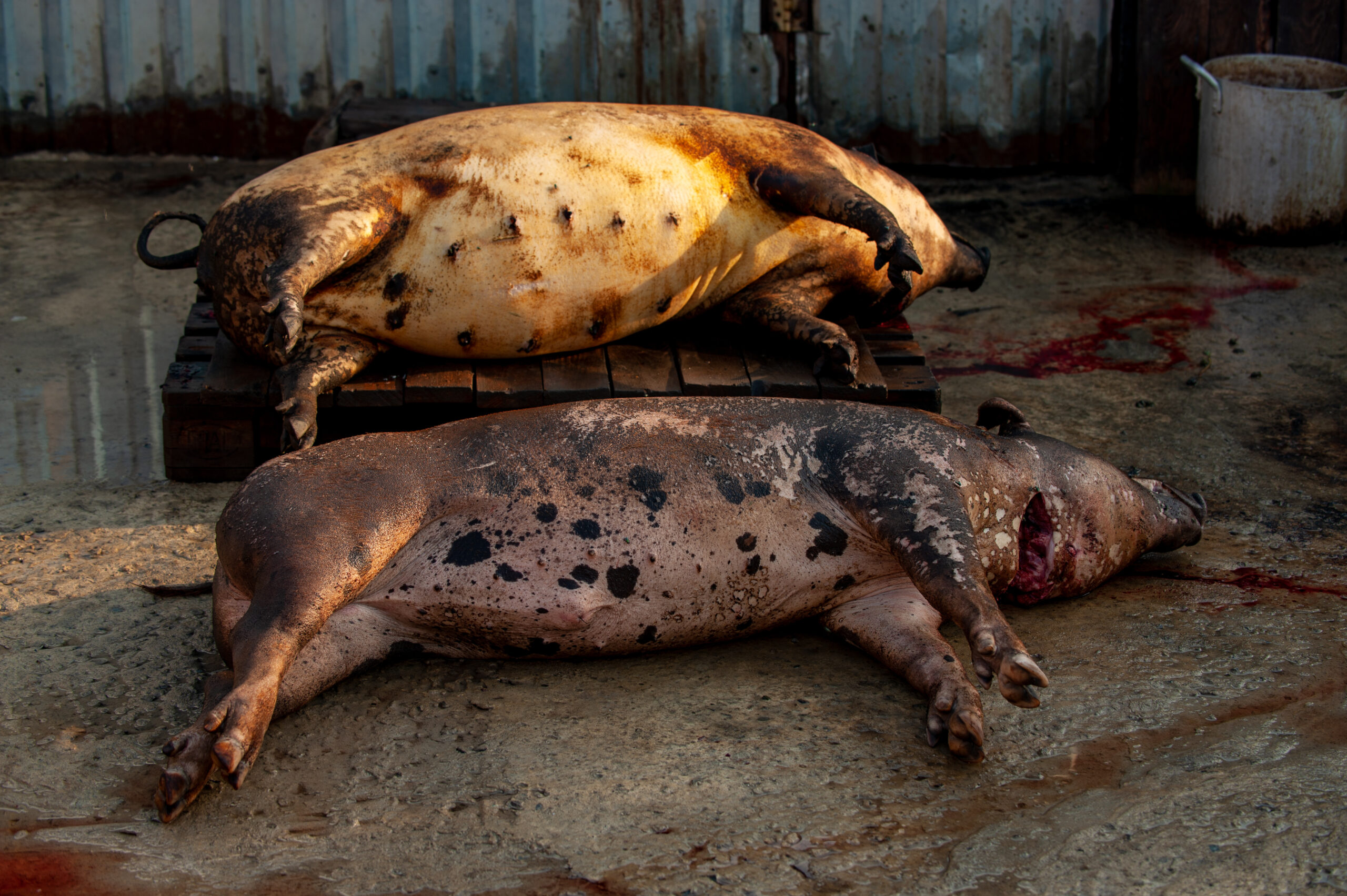
Spain’s pork industry is alarmed by a rising African swine fever outbreak among wild boars, threatening the country’s major meat sector. Authorities confirmed nine cases near Barcelona, marking Spain’s first swine fever outbreak since 1994, raising concerns over the nation’s pork exports.
The disease does not affect humans but is highly contagious and lethal for pigs, risking devastating consequences for domestic herds. A weekend survey of farms within a 20-kilometre radius revealed no infection among domestic pigs, providing temporary relief to producers.
Miguel Angel Higuera, director of Spain’s National Association of Pork Producers, stressed that protecting domestic pigs remains the sector’s primary objective. Spain exports nearly three million tonnes of pork annually to more than 100 countries, though a third of markets have temporarily closed.
China, Spain’s largest pork customer, continues imports excluding products from the Barcelona region, maintaining partial access for exporters. Higuera said authorities are exploring regionalised trade measures to prevent broader restrictions while safeguarding Spain’s fever-free reputation.
Recovery of full disease-free status requires at least 12 months without new cases, prolonging uncertainty for the nation’s pork industry. A response plan from the agriculture ministry and regional authorities is active, guiding farm distances, health checks, and biosecurity measures.
Higuera emphasised heightened biosecurity, while warning that wild boar overpopulation poses the greatest risk, as hunting alone cannot control numbers. Hundreds of regional health officers, troops, and EU experts are monitoring the outbreak, relying on containment protocols to prevent farm transmission. The situation remains tense, with the industry preparing for ongoing challenges as the outbreak continues to shape Spain’s pork market.