
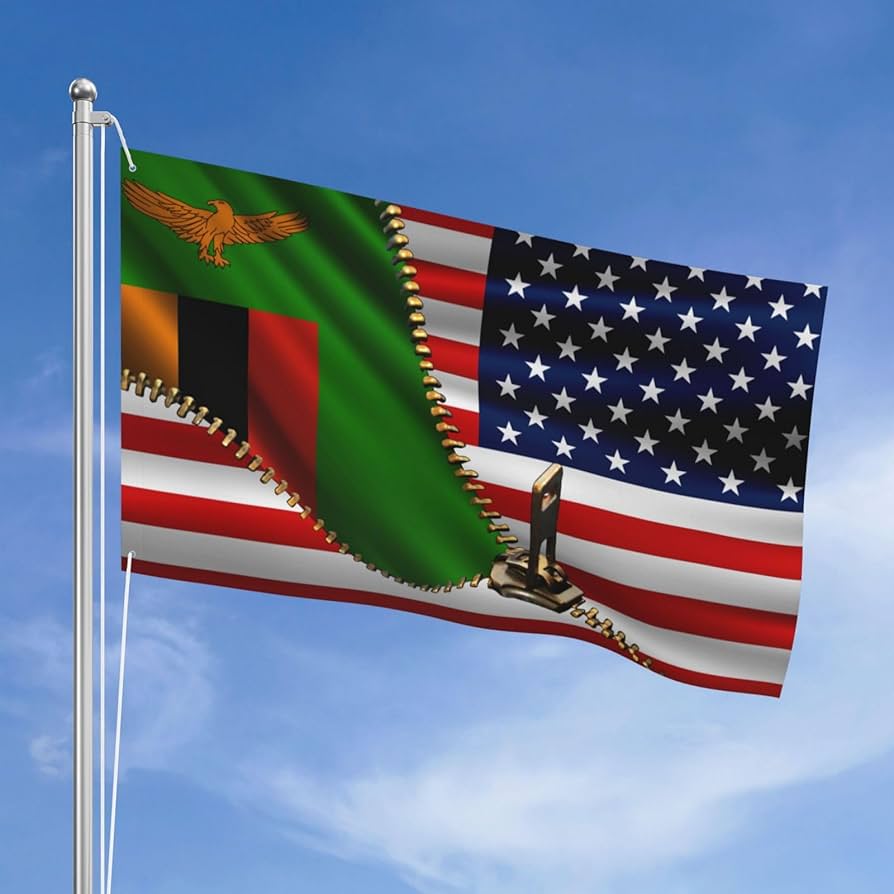
Zambia has sharply criticised the United States over a proposed $2 billion health assistance deal linked to access to its critical minerals.
Foreign Minister Mulambo Haimbe accused Washington of turning aid into leverage, describing recent diplomatic exchanges as strained and increasingly confrontational.
He rejected corruption allegations by outgoing U.S. ambassador Michael Gonzales, calling them mischievous, undiplomatic, and inconsistent with mutual respect.
The dispute exposes deeper tensions over President Donald Trump’s “America First” policy, which is reshaping foreign aid into conditional, transactional agreements.
Zambian officials say negotiations stalled over demands for sensitive health data and preferential access for American companies to mineral resources.
Haimbe stressed that Zambia would not accept conditions violating citizens’ privacy or granting unequal treatment to any external partner.
He insisted that Zambians must retain control over how their mineral wealth is used in global markets.
Washington, however, denied linking the health deal to minerals, dismissing Lusaka’s claims as false and exaggerated.
The United States argues its new approach aims to reduce long-term dependency while promoting domestic responsibility and safeguarding strategic interests.
This shift follows the dismantling of longstanding aid frameworks, replacing them with bilateral agreements tied to economic and security considerations.
Across Africa, similar proposals have triggered resistance, particularly over clauses involving data-sharing and limited guarantees of reciprocal benefits.
Countries including Ghana, Zimbabwe, and Kenya have either rejected or paused negotiations, citing concerns over sovereignty and legal protections.
Health experts warn that such agreements could channel valuable data primarily toward the United States, creating imbalances in global health governance.
Critics also fear the emergence of a fragmented system, where bilateral deals replace multilateral coordination once led by international institutions.
As negotiations continue, the standoff highlights a broader debate over whether global health support should serve shared needs or strategic interests.