Africa

Nigeria has started selling crude oil in its local currency.

Nigeria, a country rich in oil and natural gas, has begun selling crude oil in its local currency, the naira. Mohammed Manga, the Director of Information and Public Relations at the Ministry of Finance, stated that this initiative follows a directive from the Federal Executive Council (FEC). Manga highlighted that this strategic move is anticipated to have a significant and lasting effect on Nigeria’s economy by promoting growth, stability, and self-sufficiency. He also pointed out that Nigeria is navigating the complexities of global markets, positioning itself for future success with this approach. Nigeria’s proven oil reserves stand at approximately 37 billion barrels, representing 3.1% of the world’s total reserves. As one of the top 15 crude oil producers globally, Nigeria ranks 8th in oil reserves and is the 6th largest exporter of oil.

Nigeria has started selling crude oil in its local currency. Read More »

Ghana protests demand end to illegal mining

Thousands of demonstrators took to the streets of Ghana’s capital to demand an end to illegal mining, known locally as ‘Galamsey.’ Protesters expressed their determination to pressure the government to address the environmental damage caused by these activities. One attendee stated, “My motivation is to see illegal mining stop in Ghana. We need to keep protesting and striking to catch their attention.” The protest, held from Thursday to Saturday, saw no police interference, unlike a previous demonstration by the group Democracy Hub. The Catholic Church plans a peaceful protest against illegal mining on Friday, while labor unions are set to announce a nationwide strike on Thursday. One participant criticized the government’s indifference, saying, “This attitude is not surprising; it threatens the lives of Ghanaians.” Protesters also called for the release of those arrested during a prior demonstration against illegal mining.

Ghana protests demand end to illegal mining Read More »

Exit poll shows President Saied winning Tunisia’s presidential election

An exit poll indicates that incumbent Tunisian President Kais Saied has won a second term in elections held Sunday, receiving 89.2% of the vote.  “The estimated results indicate Kais Saied’s victory in the presidential election with 89.2%, totaling 2,194,150 votes, said Hassan Zargouni, the director of polling company Sigma Conseil, speaking on Tunisian public television. The electoral authority announced the final list of candidates on Sept. 2, including three contenders: incumbent President Kais Saied, opposition candidate Ayachi Zammel, secretary-general of the Azimoun movement, and Zouhair Maghzaoui, secretary-general of the People’s Movement – a supporter of Saied. Zargouni added that Zammel received 6.9% with 169,727 votes, while Maghzaoui received 3.9% with 95,933 votes. Earlier on Sunday, the Independent High Authority for Elections in Tunisia announced that the preliminary voter turnout in the elections was 27.7% by the time polling stations closed at 6 p.m. local time (1700GMT). Farouk Bouaskar, the president of the authority, said at a press conference in Tunis that “the electoral process went smoothly, and we did not record any incidents that marred this election day, with a respectable turnout from Tunisians at polling stations both domestically and abroad.” “A total of 2,704,155 voters participated in the voting process today, resulting in a preliminary turnout of 27.7%,” he added. Bouaskar said the official and final turnout rates will be announced alongside the preliminary election results on Monday evening. On Sunday morning, the voting process began in Tunisia to elect a president for a five-year term, while voting abroad commenced on Friday in 59 countries. Tunisia’s election is taking place amid political tensions, economic challenges and a polarized electorate.

Exit poll shows President Saied winning Tunisia’s presidential election Read More »

Nine people have been killed in armed attacks in Nigeria

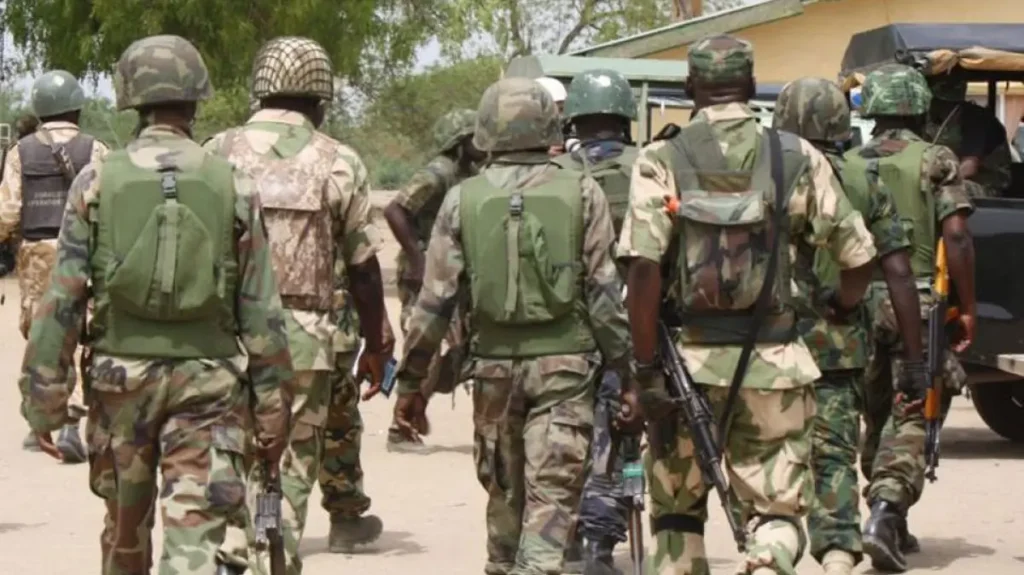
Nine people have been killed in armed attacks in Katsina State, Nigeria. Reports indicate that unidentified gunmen targeted the Faskari and Matazu areas. The victims included six local security personnel and three civilians, with numerous others injured. Katsina State Governor Dikko Umaru Radda condemned the attacks in a statement, announcing the deployment of additional security forces to the region. Nigeria has recently seen a rise in violence from armed gangs, as well as attacks from Boko Haram and ISWAP in various areas. Despite the death penalty for kidnapping, ransom abductions remain prevalent, often affecting villages, schools, and travelers in the northern regions.

Nine people have been killed in armed attacks in Nigeria Read More »

The number of cholera cases in Sudan has exceeded 20,000

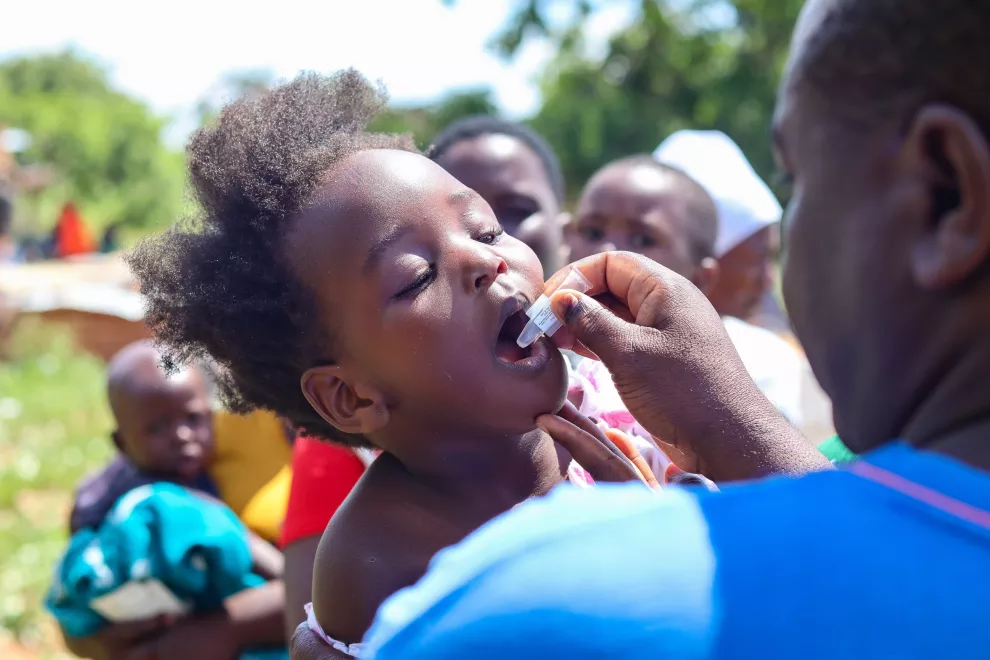
The Sudanese Ministry of Health has reported that the number of cholera cases in the country has reached 20,398, with the death toll now at 597. The spread of cholera has been fueled by heavy rains and floods affecting Sudan since June. Officials declared a cholera outbreak on August 12. In the context of ongoing conflict, the country’s ineffective health system worsens the situation, making life increasingly challenging for residents amid the rise of infectious diseases.  UNICEF on Saturday announced the arrival of 1.4 million oral cholera vaccine doses at a port in the eastern part Sudan. This shipment aims to protect children from a cholera outbreak which has affected 10 of the country’s 18 states since July, resulting in over 18,000 cases and killing 550, the UN agency said in a statement. The new vaccines supplement 404,000 doses delivered last month, supporting ongoing immunization campaigns targeting 1.81 million people in the most affected areas, the statement underlined. “Delivery of the vaccines … is essential for stopping the spread of these deadly diseases,” said Sheldon Yett, UNICEF representative to Sudan. In Sudan, an estimated 3.4 million children under age 5 are at high risk of epidemic diseases, with 3.1 million people at risk of cholera by this December, UNICEF said. The country’s health care system is struggling, with national vaccination coverage dropping from 85% to 50% and over 70% of hospitals in conflict areas non-operational. The humanitarian crisis continues to worsen in Sudan as nearly 6.8 million people have fled their homes, seeking safety in other parts of the country or neighboring nations. Several cease-fire agreements brokered by Saudi Arabia and US mediators have failed to end the violence.

The number of cholera cases in Sudan has exceeded 20,000 Read More »

Rwanda reports first Marburg virus outbreak

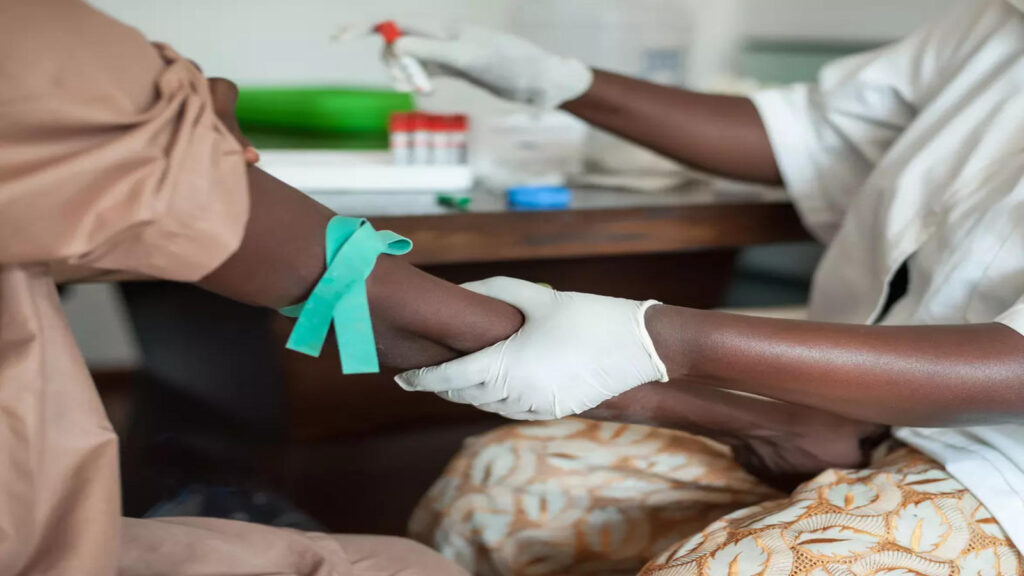
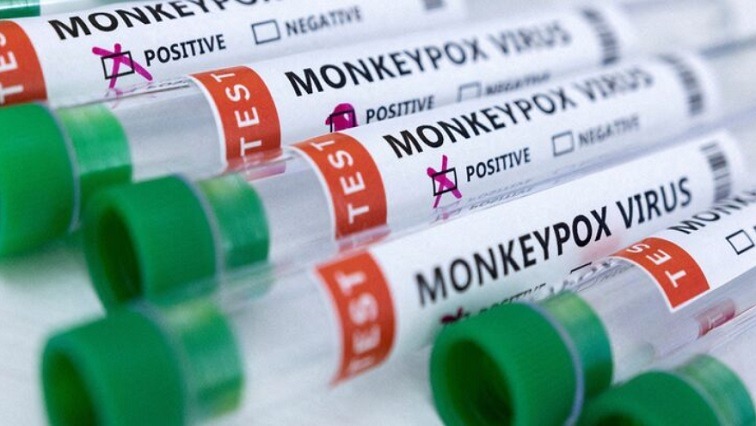
Rwanda’s health ministry confirmed the country’s first outbreak of the Marburg virus on Friday, September 27, with eight reported fatalities. This deadly virus, which has a fatality rate of up to 88%, spreads from fruit bats and through contact with infected bodily fluids. The ministry has urged the public to avoid close contact with symptomatic individuals and to be aware of symptoms such as fever, headaches, muscle aches, vomiting, and diarrhea. In response, the government is intensifying contact tracing, surveillance, and testing while promoting good hygiene practices like frequent handwashing. Local residents have expressed deep concern about the outbreak. “If the virus spreads, it will affect us severely, just like during COVID-19, and we could face lockdowns again,” said Jackie, a local resident. Eric, who works in hospitality, echoed these worries, emphasizing the need for proactive measures to protect public health, especially given the risk from tourists. Health Minister Sabin Nsanzimana noted that the first positive case was identified at a university in Kigali, and some healthcare providers are already showing symptoms. The ministry has implemented strict guidelines for patients, including a ban on visitors for the next 14 days and limiting caregivers to one at a time.

Rwanda reports first Marburg virus outbreak Read More »

ICC issues arrest warrants for six linked to Libyan militia crimes

The International Criminal Court (ICC) unsealed arrest warrants on Friday for six men linked to a Libyan militia accused of numerous killings and crimes in the western town of Tarhunah, where mass graves were uncovered in 2020. Since the NATO-backed uprising that overthrew dictator Moammar Gadhafi in 2011, Libya has faced political chaos, split between rival administrations in the east and west, each supported by militias and foreign powers. ICC Prosecutor Karim Khan stated that evidence indicates Tarhunah residents have suffered war crimes, including murder, torture, sexual violence, and rape. The warrants target Abdelrahim al-Kani, Makhlouf Douma, Nasser al-Lahsa, Mohammed Salheen, Abdelbari al-Shaqaqi, and Fathi al-Zinkal. Three are leaders of the Al Kaniyat militia, which controlled Tarhunah from 2015 to June 2020, while the others were security officials linked to the militia. The warrants were initially issued in April and July 2023 but remained sealed until now. Khan expressed that making the warrants public will aid in the suspects’ arrest and surrender. The mass graves in Tarhunah were discovered after the militia retreated following the collapse of military commander Khalifa Hifter’s attempt to take Tripoli. The ICC relies on cooperation from its 124 member states to enforce arrest warrants. Khan noted that his office is working with Libyan authorities to ensure the suspects face justice. The ICC opened its investigation in Libya in 2011 at the request of the U.N. Security Council and has previously issued warrants for Gadhafi and his son, Saif Al-Islam Gadhafi, who remains wanted.

ICC issues arrest warrants for six linked to Libyan militia crimes Read More »

Tunisia gears up for October 6th Presidential election

As Tunisia approaches its presidential election on October 6th, the youth express mixed feelings about politics and voting. Some young people, frustrated by a lack of opportunities, dream of leaving the country. Seddik Malki, a fruit vendor, states, “I want to tell the youth: leave through the sea; there is nothing that keeps us here… I have no future here.” Conversely, others remain hopeful that the election will spark change. Lotfi Hamdi, a 32-year-old street vendor, says, “I hope the next president will address the high cost of living and focus on the youth.” Current president Kais Saied is running for re-election. With major opponents imprisoned or barred from competing, he faces criticism for consolidating power and eliminating political rivals. Only two candidates have been approved to run against Saied, who has suspended parliament since taking office in 2019.Tunis

Tunisia gears up for October 6th Presidential election Read More »

Scroll to Top