Africa

Rwanda reports six deaths and 20 cases of Marburg disease

Rwanda has reported six deaths and 20 confirmed cases of Marburg disease, according to Health Minister Sabin Nsanzimana, who made the announcement in a video statement on Saturday. Most of the victims are healthcare workers from the intensive care unit, Nsanzimana said. “We have 20 infected individuals and six fatalities due to this virus, primarily among health workers,” he noted. Marburg disease is a viral hemorrhagic fever that can lead to death, with symptoms including severe headaches, vomiting, and muscle and stomach aches. The health ministry is coordinating efforts to trace those who may have come into contact with infected individuals. With a fatality rate as high as 88%, Marburg is in the same virus family as Ebola and is transmitted from fruit bats to humans, spreading through contact with bodily fluids. Neighboring Tanzania reported Marburg cases in 2023, while Uganda experienced similar outbreaks in 2017.

Rwanda reports six deaths and 20 cases of Marburg disease Read More »

Nobel Prize laureate hails South Africa’s genocide case against Israel

Nobel laureate Abdulrazak Gurnah applauded the South African government Saturday for taking Israel to the International Court of Justice (ICJ) for its conflict in the Gaza Strip. The Tanzanian-born British novelist and academic who won the Nobel Prize for literature in 2021, spoke at the 2024 Nelson Mandela Annual Lecture in Johannesburg and said South Africa’s case has invited greater condemnation of the tragic events perpetrated by Israel in Gaza. “The court’s ruling and its warrants will only be more words, in the end, and words will not end this or other injustices, will not rebuild schools or hospitals, or end detentions and the destruction of cities,” he said. Gurnah, 75, however, expressed opportunism. “There are times when words is all we have — words and sympathy — and an understanding of our comparable experiences, our shared humanity,” he said. “Having a sense of shared humanity means being committed to championing justice … and to demand profound care for the environment and for other species. In an international context, our sense of shared humanity should guide our understanding of justice and inspire us to pursue justice beyond the borders of our respective communities and countries.” South Africa filed the case at the tribunal based in The Hague in late 2023, accusing Israel, which has bombed Gaza since last October, of failing to uphold its commitments under the 1948 Genocide Convention. The top UN court ordered Israel in May to halt its offensive in the southern Gaza city of Rafah. It was the third time the 15-judge panel issued preliminary orders seeking to rein in the death toll and alleviate humanitarian suffering in the blockaded enclave, where casualties have surpassed 41,000. Several countries have joined the genocide case against Israel including, Türkiye, Nicaragua, Palestine, Spain, Mexico, Libya and Colombia. The case began public hearings in January. -Colonialism Gurnah noted his experience during colonialism in Zanzibar in 1960, when he was a 12-year-old school boy. He said it was a time of unprecedented excitement as the politics of decolonization were approaching a climax. He said he came to know about South Africa, where the white minority ruled, because of the sense of solidarity that arose out of the decolonization activities that led to boycotts of South African products. “I think, actually, that was the first awareness of South Africa for me,” he said.

Nobel Prize laureate hails South Africa’s genocide case against Israel Read More »

Tunisia amends election law, provokes protests ahead of vote

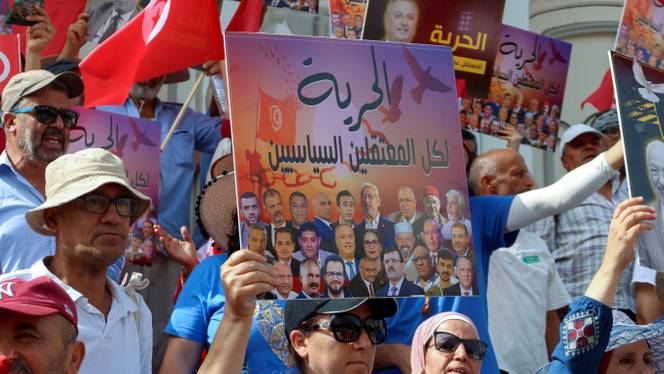
On Friday, Tunisia’s parliament amended a law that limits the judiciary’s authority over decisions made by the election authority, which is appointed by President Kais Saied. This change comes just nine days before the presidential election and amid tensions between the election authority and the courts regarding the exclusion of three candidates from the ballot. The amendment sparked protests from opposition and civil society groups, who accuse the election authority of colluding with Saied to minimize competition for his re-election bid. Demonstrators gathered outside parliament to express their discontent. Since the Arab Spring, Tunisia has seen two presidential elections deemed democratic, but this year’s election cycle has been marred by disputes between the Independent High Authority for Elections (ISIE) and the judiciary. ISIE recently dismissed a court ruling that ordered the reinstatement of three candidates—Monther Zenaidi, Abdellatif Mekki, and Imed Daimi—claiming their campaign filings were incomplete. Parliament members criticized the judiciary’s neutrality, suggesting that judges were acting under foreign influence, reflecting Saied’s longstanding rhetoric against opponents. Zina Jiballah, an independent MP, accused some parties of receiving instructions from abroad. Saied, who won his first term in 2019, will face two relatively unknown candidates, Ayachi Zammel and Zouhair Maghzaoui, next weekend, as prominent opposition figures remain imprisoned. Zammel is currently incarcerated on election fraud charges.

Tunisia amends election law, provokes protests ahead of vote Read More »

African Leaders warn of funding crisis in Malaria fight

African Leaders Warn of Funding Crisis in Malaria Fight Amid Global Challenges African leaders have highlighted significant funding gaps in the fight against malaria, exacerbated by the ongoing global financial crisis and climate change impacts. Meeting this week in New York alongside the United Nations General Assembly, they emphasized the urgent need for coordinated efforts to prevent a funding crisis that could reverse decades of progress. The African Leaders Malaria Alliance (ALMA), which hosted the meeting, warned that continued reductions in malaria funding could lead to an additional 112 million cases and approximately 280,000 deaths by 2029. Currently, Africa accounts for about 236 million malaria cases—95% of the global total—and 97% of deaths, with Nigeria bearing nearly a third of this burden. Guinea-Bissau President Umaro Sissoco Embalo, chair of ALMA, stated, “We must act urgently to protect lifesaving malaria interventions. Our target is to eliminate malaria in Africa.” Experts estimate that the continent needs up to $6.3 billion annually to eradicate the disease, urging sustained global support for malaria financing. ALMA also pointed to climate change and increasing resistance to insecticides and antimalarials as major hurdles in combating malaria. Ngashi Ngongo, head of the Executive Office at the African Union, noted that eliminating malaria alongside addressing other endemic diseases like HIV and tuberculosis is vital for reducing Africa’s overall disease burden and achieving universal health coverage. Following the World Health Organization’s approval last year, malaria vaccines are now being integrated into routine immunization schedules for children across Africa. Additionally, on Thursday, Nigerian health authorities signed an agreement with U.S.-based drone company Zipline to utilize AI-powered drones for distributing medical supplies, including blood and vaccines. Abdu Muktar, Nigeria’s national coordinator for the Unlocking Healthcare Value-Chain Initiative, praised the initiative’s ambition to produce healthcare products locally, emphasizing the importance of effective delivery systems. “What Zipline is doing is using technology to ensure delivery, reduce waste, and enhance accountability,” he said. In 2022, governments of malaria-endemic countries contributed approximately $1.5 billion to combat the disease.

African Leaders warn of funding crisis in Malaria fight Read More »

Thousands celebrate Meskel Festival in Addis Ababa

Ethiopian Orthodox Christians Celebrate Meskel Festival in Addis Ababa Thousands of Ethiopian Orthodox Christians gathered at Meskel Square in Addis Ababa on Thursday (Sep. 26) to celebrate the religious festival of Meskel, which honors the cross on which Jesus was crucified and its recovery by Saint Helena, mother of Emperor Constantine. The festival, recognized as a UNESCO Intangible Cultural Heritage of Humanity, features bonfires burned across the country. In a grand ceremony, the patriarch of the Ethiopian Orthodox Tewahedo Church lit a large bonfire, surrounded by thousands of faithful in white garments. Celebrations will continue until Friday (Sep. 27), a national holiday marked by church services and family gatherings. People throughout Ethiopia are lighting bonfires made from logs, dry leaves, and grass in public squares and near churches as part of the festivities. Amidst this celebration, Ethiopia faces ongoing tensions, including disputes over access to the sea via Somaliland and conflicts with Egypt regarding the Nile River dam, alongside insurgencies in the Amhara region.

Thousands celebrate Meskel Festival in Addis Ababa Read More »

HRW: Rwandan army and M23 rebels target civilians in Congo

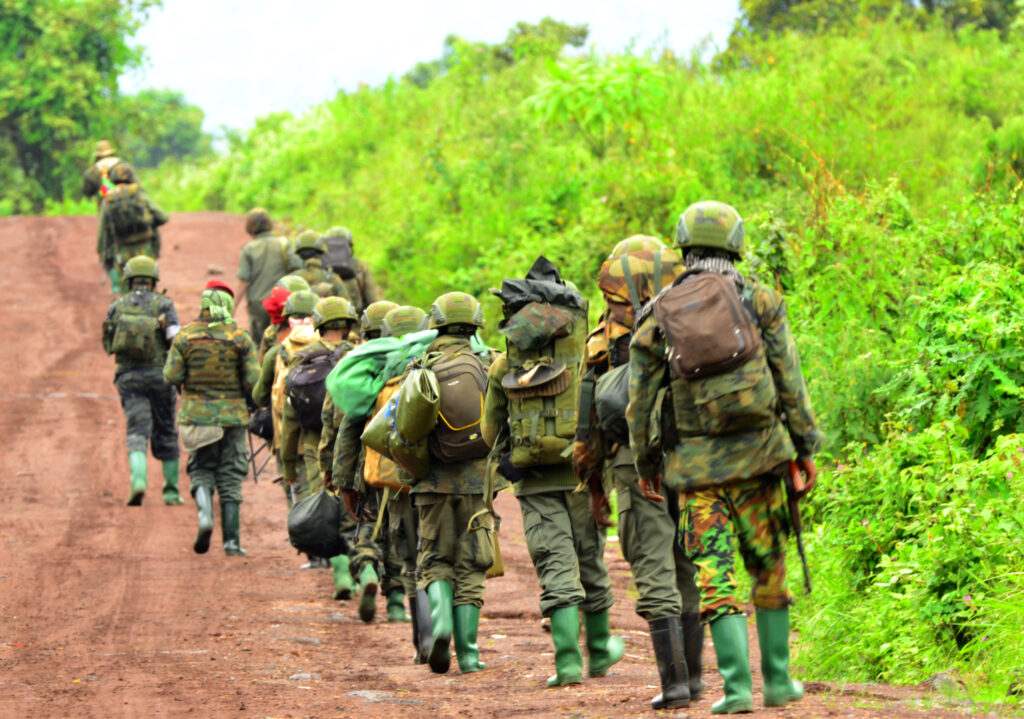
Human Rights Watch has accused the Rwandan army and the M23 rebel group of attacking civilians in eastern Democratic Republic of Congo. In a report released on Thursday, the organization stated that throughout 2024, both entities have indiscriminately shelled displacement camps and densely populated areas near Goma, the capital of North Kivu province. The United Nations has indicated that the Rwandan army and M23 are operating together in Congo, a claim that Kigali denies. Human Rights Watch documented five attacks since January 2024, where Rwandan and M23 artillery struck displacement camps and population centers. The group also criticized the Congolese army and its allies for positioning artillery near these camps, putting civilians at risk, and called for stronger measures to protect them. The ongoing violence has displaced over half a million people, who now reside in camps around Goma.

HRW: Rwandan army and M23 rebels target civilians in Congo Read More »

Lamola: South Africa’s Policy Centers on Human Rights

South Africa’s foreign policy will be guided by human rights and the peaceful resolution of conflicts, its top diplomat Ronald Lamola told his US counterpart Antony Blinken. Calling for stronger bilateral relations with the US, Foreign Minister Lamola told Secretary of State Blinken on Thursday that South Africa is celebrating 30 years of democracy as well as “shared values” with the US. South Africa is a “constitutional democracy, (with) free and fair elections, and we have just emerged from them with about 10 political parties that have agreed to form a government of national unity with the priority to resolve the triple challenges of South Africa: unemployment, inequality, and poverty,” said Lamola. It was Lamola’s first face-to-face meeting with his US counterpart since being appointed in July. They met on the sidelines of the 79 UN General Assembly in New York, according to a US State Department readout of the meeting. “And our foreign policy will continue to be guided by human rights, constitutional principles, the national interest, solidarity and peaceful resolution of conflicts,” Lamola told Blinken ahead of their closed-door talk. The meeting came amid reports that Israeli diplomats are lobbying US lawmakers to pressure South Africa into dropping its genocide case against Tel Aviv at the International Court of Justice (ICJ). After Lamola’s appointment, Blinken called him to offer congratulations, and they also discussed Russia’s war on Ukraine as well as Israel’s war on Gaza. South Africa last December took Israel to the ICJ over its indiscriminate bombardment of the Gaza Strip, which has resulted in the deaths of more than 41,500 people since last October. In his opening remarks, Blinken said his meeting with Lamola was to take stock of the “extraordinary and important partnership between South Africa and the United States, a partnership that works on a bilateral basis, a regional basis, and indeed a global basis. After their meeting, Lamola said he and Blinken had a “constructive engagement.” “Our relationship is dynamic and constantly evolving,” he added.

Lamola: South Africa’s Policy Centers on Human Rights Read More »

2M people remain displaced after devastating floods in Nigeria

About two million people are still displaced days after devastating floods struck Nigeria’s northeast Maiduguri city, an official said on Friday.  Babagana Zulum, governor of northeastern Borno State, said victims of the Sept.10-11 massive floods are still in displaced persons camps established by the government in the wake of the disaster. “Most of our people are still displaced and many infrastructure damaged by the flood,” Zulum told officials at a Nigerian bank, which donated N1 billion (about $600 million) to help rehabilitate infrastructure destroyed by the floods and resettle victims. Zulum promised all the donations into the relief basket account would be used for affected persons and not diverted by officials. Thousands of people have been taking refuge in open places, religious centers, and 32 displaced persons camps, including public schools, since the severe floods killed at least 40 people. Local authorities have commenced distribution of money, food, and nonfood items to displaced persons in camps and a few people taking refuge in safer areas. Bulana Abiso, head of the coalition for civil society organizations, told Anadolu that economic activities are yet to return to the city days after the incident. Abiso said most victims are still in shock and struggling to overcome the trauma of their losses and displacement caused by the disaster. Institutions and individuals, including Africa’s richest man Aliko Dangote, donated money to support victims.

2M people remain displaced after devastating floods in Nigeria Read More »

African countries, partners pledge $800M for Africa’s mpox response

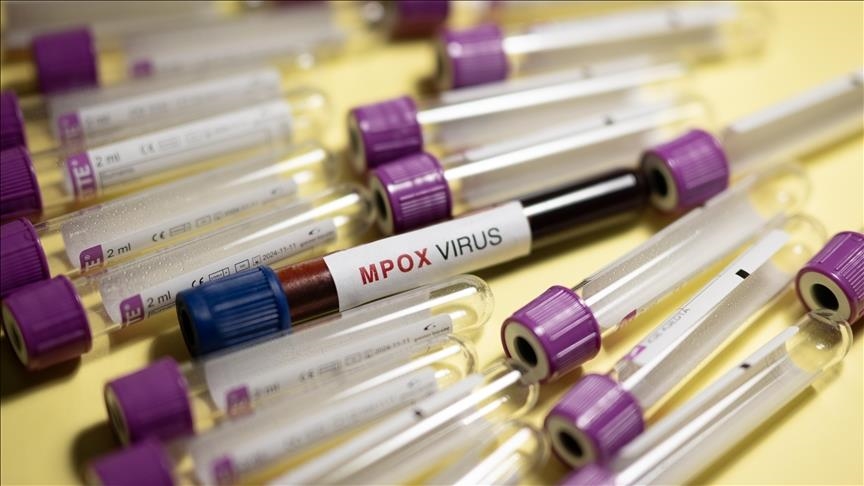
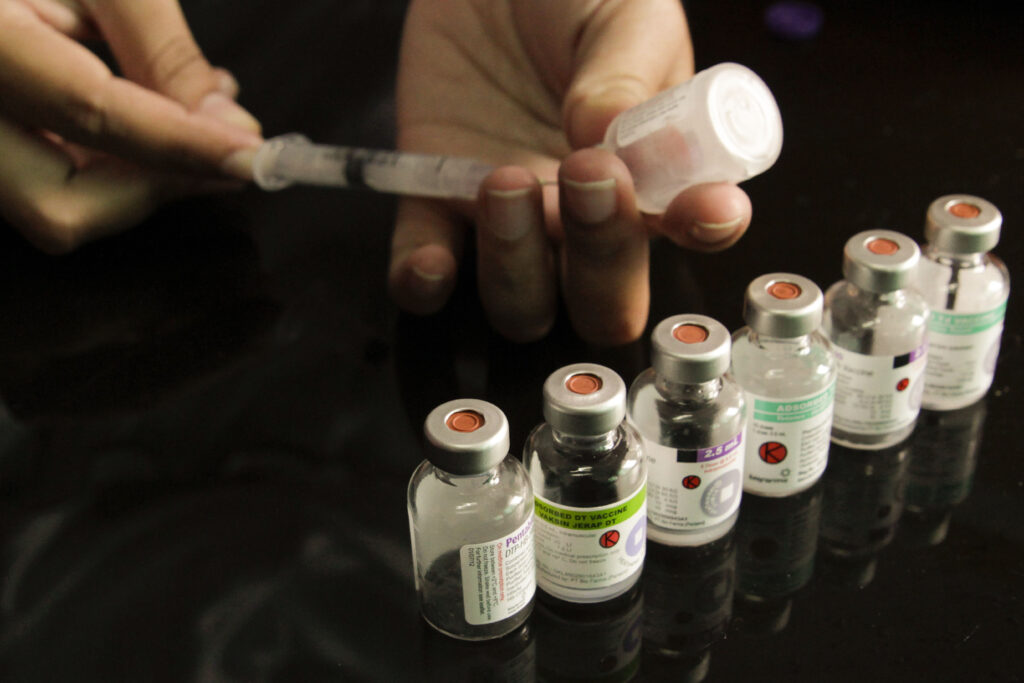
African countries and partners have pledged more than $800 million towards the continent’s mpox response amid surging infection, the director-general of the Africa Centres for Disease Control and Prevention (Africa CDC) announced Thursday. Jean Kaseya said $314 million was pledged to a new mpox fund created at a meeting of African heads of state earlier this week, of which $129 million is from the pandemic fund to support 10 countries impacted by mpox, while about $145 million from the Coalition for Epidemic Preparedness Innovations (CEPI). “Today we have around $814 million,” he said. Money from the pandemic fund will support 10 countries impacted by mpox: the Democratic Republic of Congo, Burundi, Rwanda, Uganda, Kenya, Sudan, Djibouti, Ethiopia, Somalia, and South Sudan. “Our team is working with the pandemic fund team on the way to allocate these resources in the 10 countries approved for support,” Kaseya said at a virtual news conference. The funding, created at a meeting of African heads of state earlier this week, is expected to bolster country and regional capacity in critical areas, including disease surveillance, diagnostics, laboratory networks and health workforce while addressing the immediate challenges posed by mpox. The continental preparedness and response plan for Africa has a budget of about $600 million. Kaseya said the US has also committed to provide $500 million to support the continental response plan and 1 million vaccine doses. He said Africa has secured 4.4 million vaccine doses against 10 million doses needed to control the disease spread. A total of 2,910 new cases of mpox, mostly in central and eastern Africa, were recorded last week and 16 new deaths, according to the latest data from Africa CDC. More than 32,000 confirmed cases in 2024 have been recorded on the continent with 840 deaths. Compared to the same period last year, Kaseya said there has been more than a 194% increase in cases in 15 African nations. Mpox cases are steadily increasing across all affected countries, Kaseya said, citing contact tracing and low testing capacity among the challenges. The testing rate on the continent stands at 49.5%, whereby many cases cannot be confirmed. Kaseya said this week Africa CDC would deliver available vaccines from the EU to some affected countries such as Rwanda, the Central African Republic, South Africa, Burundi and Cameroon. Congo, the most affected country in the region, will begin vaccinations in the first week of October. “Our objective is to stop this outbreak in the next six months and we need full support from member states and our partners,” he said.

African countries, partners pledge $800M for Africa’s mpox response Read More »

Scroll to Top