Africa

African nations losing 5% of GDP to climate change

African nations are losing up to 5% of their GDP annually due to climate change, with the continent experiencing a significant impact from global warming, according to a new report released Monday. The World Meteorological Organization (WMO) noted that African countries are allocating up to 9% of their budgets to climate adaptation. WMO Secretary-General Celeste Saulo highlighted the accelerated warming in Africa, which is outpacing the global average and impacting food security, public health, and stability. Despite contributing less than 10% of global greenhouse gas emissions, Africa is highly vulnerable to extreme weather, including droughts, floods, and heatwaves. The report, focusing on 2023—one of Africa’s hottest years—urges investment in early warning systems and meteorological services. Without adequate measures, up to 118 million Africans could face severe weather events by 2030. In sub-Saharan Africa, adaptation costs could reach $30-50 billion per year over the next decade. Recent extreme weather events, including floods affecting 300,000 people in West Africa and a severe drought in Zambia, underscore the urgency. The pattern of extreme weather continues into 2024, with significant flooding in the Sahel and an unprecedented heat wave in West Africa earlier this year.

African nations losing 5% of GDP to climate change Read More »

Bitcoin ATM scam losses up nearly tenfold since 2020

New research shows a nearly tenfold increase in losses to Bitcoin ATM scams since 2020, the US Federal Trade Commission (FTC) said Tuesday. “Since 2020, the amount consumers reported losing has increased nearly tenfold to over $110 million in 2023,” it said in a report. The FTC said that fraud losses to Bitcoin ATMs have topped $65 million in the first six months of this year. “During this timeframe, consumers over the age of 60 were more than three times as likely as younger adults to report losing money to Bitcoin ATM scams,” it said. “Across all ages, the median loss reported in the first half of this year was a staggering $10,000.” Bitcoin ATMs, which are machines that look like a traditional ATM, are often found at convenience stores, gasoline stations and other high-traffic areas, said the FTC. Instead of distributing cash, they accept cash in exchange for cryptocurrency. “Their use by scammers, who urge consumers to deposit cash into them to ‘protect’ their savings, is on the rise,” it added. Most scam losses involving Bitcoin ATMs come as a result of government impersonation, business impersonation, and tech support scams, according to the agency. “The lies told by scammers vary, but they all create some urgent justification for consumers to take cash out of their bank accounts and put it into a Bitcoin ATM. As soon as consumers scan a QR code provided by scammers at the machine, their cash is deposited straight into the scammers’ crypto account,” it noted. The FTC advised consumers to never click on links or respond directly to unexpected calls, messages, or computer pop-ups, adding: “If you think it could be legitimate, contact the company or agency, but look up their number or website yourself. Don’t use the phone number the caller or message gave you.” The agency also advised consumers to slow down in their actions, avoid rushing, and never withdraw cash in response to an unexpected call or message. “Don’t believe anyone who says you need to use a Bitcoin ATM, buy gift cards, or move money to protect it or fix a problem. Real businesses and government agencies will never do that – and anyone who asks is a scammer,” it warned.

Bitcoin ATM scam losses up nearly tenfold since 2020 Read More »

China urges African countries to unite ‘Global South’

Chinese President Xi Jinping has called on African leaders to unite the “Global South” in advocating for international equity and justice amid major global changes. In meetings with African leaders attending the Forum on China-Africa Cooperation (FOCAC) in Beijing, Xi stressed the importance of solidarity among developing nations. Xi highlighted new partnerships, including a “Comprehensive Strategic Cooperation Partnership” with South Africa and proposed three types of collaboration with Kenya: mutual trust, win-win cooperation, and strategic alignment on international and regional issues. With Comoros, Xi emphasized cooperation as a model of equality and solidarity, offering support to combat poverty and utilize the country’s geographical advantages. He also invited Seychelles to join the China-Indian Ocean Development Cooperation Forum and urged faster sustainable use of marine resources. Regarding Eritrea, Xi proposed enhanced cooperation in energy, infrastructure, and agriculture, noting shared views on international matters. In discussions with Guinea, Xi highlighted FOCAC’s role in boosting practical cooperation and supporting Guinea’s development. With Chad, Xi supported the country’s sovereignty and security, while Chad reaffirmed its adherence to the “One China” policy. In his meeting with Malawi, Xi discussed leveraging opportunities from China’s modernization and increasing cooperation in various fields. Xi reiterated Africa’s crucial role as a global power and China’s diplomatic focus, advocating for a multipolar world and inclusive economic globalization. The FOCAC’s ninth summit will take place in Beijing from September 4-6, with leaders from over 50 countries attending. Eswatini will not participate due to its diplomatic ties with Taiwan.

China urges African countries to unite ‘Global South’ Read More »

161 Nigerian students denied entry at UK border

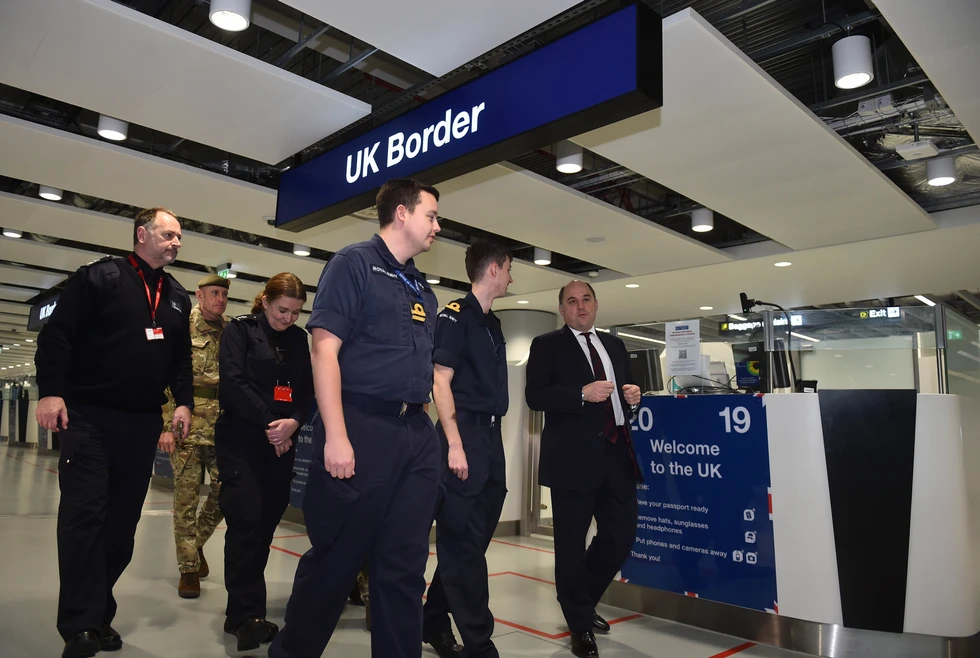
Between 2021 and 2023, 1,425 international students were denied entry to the UK at airports. Among them were 161 Nigerians, as revealed by UK Home Office data obtained via the Freedom of Information Act. Indian students were the most affected, representing 45% of those turned away, with 644 removals. Nigerians made up 11.3%, while students from Ghana and Bangladesh accounted for 6.46% and 6.32%, respectively. The data, covering October 2021 to October 2023, only reflects students refused entry at the border and does not include those deported for visa violations. The Home Office did not provide specific reasons for these removals, but sources indicate issues such as failing to convince Border Force officers, presenting forged documents, or language barriers. Immigration lawyer Dele Olawanle criticized the practice, arguing that Border Force officers have overstepped by questioning students about their academic courses, which sometimes leads to visa cancellations. Data analyst Nelly Okechukwu recounted a similar experience, where he was questioned about his studies despite having graduated years earlier.

161 Nigerian students denied entry at UK border Read More »

Namibia culls 700 wild animals amid drought crisis

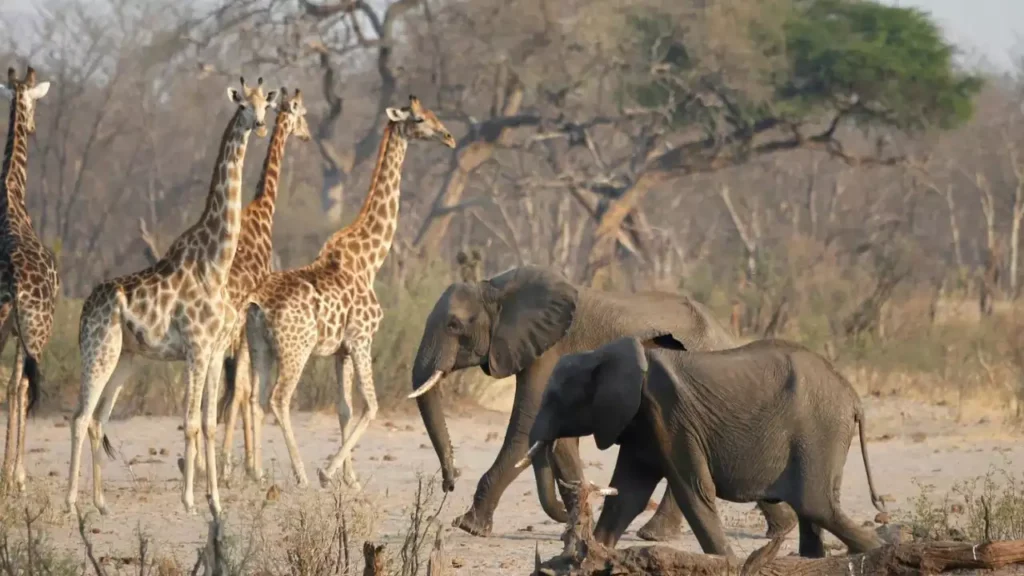
In response to the severe drought, Namibia has begun culling 700 wild animals in its national parks. This drastic measure aims to alleviate food insecurity by providing meat to vulnerable populations and ensuring better water reserves in the parks. The decision, which includes targeting species like hippos, buffaloes, and elephants, has sparked controversy. While the government views it as essential, animal protection groups have protested and launched petitions against the culling. Namibia, which declared a state of emergency last May due to the drought impacting southern Africa, is grappling with acute food shortages affecting approximately 1.4 million people, nearly half of its population.

Namibia culls 700 wild animals amid drought crisis Read More »

Charley, South Africa’s last captive elephant, begins new life

Charley, the last captive elephant in South Africa, has begun a new chapter in a private game reserve after 40 years in captivity. Dr. Amir Khalil and his team, renowned for their expertise in elephant relocation, undertook the task of moving Charley. Khalil, known for the successful rescue of Kaavan, the “world’s loneliest elephant,” from a Pakistan zoo to a sanctuary in Cambodia in 2020, was well-suited for this challenge. Charley, a four-ton African elephant, had lived alone at a Pretoria zoo for over two decades, following the death of his companion Landa in 2020. The decision was made to move him to a private game reserve about 200 kilometers away, where he might find new companions. The relocation process was intricate. Instead of tranquilizing Charley, which could be harmful, Khalil and his team used a training approach to coax him into a large transport container. Over the course of two years, Charley was gradually introduced to the container using food rewards, such as pumpkins and papaya. Remarkably, he adapted quickly and entered the container in less than two weeks. After an extensive road trip, Charley arrived at the Shambala private game reserve in late August. Initially, he will be kept in a separate area to acclimate to his new environment before potentially joining the reserve’s wild elephant herds. Khalil and his team, including Dr. Marina Ivanova and Dr. Frank Göritz, who also worked on Kaavan’s relocation, praised the Pretoria zoo and South Africa’s environment ministry for their support in this rare and significant reintroduction of a captive elephant to a more natural setting.

Charley, South Africa’s last captive elephant, begins new life Read More »

A UN-sanctioned Libyan human trafficker has been killed in Tripoli

One of Libya’s most wanted human traffickers, Abdel-Rahman Milad, was killed on Sunday in Tripoli, according to Libyan officials. Milad, a former coast guard commander in Zawiya and a UN-sanctioned individual, was shot by unknown assailants while in his vehicle in the Sayyad area. The details surrounding his death remain unclear, and no group has claimed responsibility. Libyan media reported bullet marks on Milad’s white Toyota Land Cruiser. Libyan officials, speaking anonymously for safety reasons, have not commented on the incident, and the Tripoli-based government has yet to issue a statement. Milad’s death has sparked calls for an investigation, including from militia leader Moammar Dhawi, who expressed condolences and urged authorities to hold those responsible accountable. Libya has faced instability and division since the 2011 uprising that toppled Muammar Gaddafi, becoming a major route for migrants from Africa and the Middle East attempting to reach Europe. In June 2018, the UN Security Council imposed sanctions on Milad and other leaders linked to migrant trafficking. Despite his denial of involvement in human smuggling, Milad had previously been jailed on related charges.

A UN-sanctioned Libyan human trafficker has been killed in Tripoli Read More »

Ghana to raise cocoa farmgate price

Ghana’s cocoa regulator is considering a nearly 45% increase in the state-guaranteed price for cocoa farmers for the 2024/25 crop season, according to Reuters on September 2. If implemented, this would mark the second consecutive price hike. Earlier this year, Ghana raised the farmgate price by 58% to 33,120 Ghana cedis (approximately 2,499 U.S. dollars) per ton, following Côte d’Ivoire’s lead. This adjustment aims to improve farmers’ incomes and curb cocoa bean smuggling. The Ghana Civil Society platform has urged the regulator to set the minimum farmgate price for the 2024/25 season at 3,662 U.S. dollars per ton. The government announces new cocoa prices each September, which apply from the start of the cocoa season in September until August of the following year. This year’s price surge is attributed to increased demand and challenges with cocoa crops in West Africa, including plant diseases and weather-related issues.

Ghana to raise cocoa farmgate price Read More »

Scroll to Top