Africa

Businesses in Addis Ababa are struggling with soaring inflation

Businesses in Addis Ababa are struggling to keep pace with soaring inflation following the government’s shift to a flexible exchange rate policy implemented late last month. Since the policy change, the Ethiopian birr has lost 60% of its value against the dollar as of Monday, leading to increased prices for basic goods and prompting some businesspeople to hoard supplies. At the Samra Hotel, prices now fluctuate daily, or even hourly, to keep up with the changing market conditions, as noted by Rahel Teshome, an employee at the hotel. Many supermarkets in Addis Ababa are hoarding products in warehouses and selling only small quantities in-store to avoid penalties from city authorities, who are cracking down on hoarders. Consumers seeking bulk purchases face inflated prices and must retrieve products from warehouses. In Merkato, the city’s largest open-air market, guards are stationed to prevent businesses from raising prices. Recently, police raided warehouses, seizing 800,000 liters (210,000 gallons) of edible oil, which was later distributed at previous prices to local cooperatives. Over 3,000 stores accused of hoarding have been closed across the country. The Addis Ababa City Trade Bureau has warned of further actions against those exploiting the floating birr to hike prices. The new exchange rate policy represents a significant shift in Ethiopia, where the government had long controlled foreign currency prices, fostering a black market. Now, commercial banks set foreign exchange rates, and non-bank entities are allowed to operate foreign exchange bureaus. The International Monetary Fund (IMF) approved a four-year, $3.4 billion credit facility in conjunction with Ethiopia’s reforms. The IMF has committed to disbursing $1 billion immediately to address urgent needs, with Managing Director Kristalina Georgieva calling the reforms a “landmark moment for Ethiopia.” In response to foreign currency shortages, authorities have imported 14 million liters (3.7 million gallons) of edible oil to ease consumer pressure. However, these measures have had limited impact given the rising prices of other essential goods. Experts warn that Ethiopians, particularly those on fixed incomes, face uncertain times ahead. Getachew T. Alemu, a public policy specialist in Addis Ababa, notes that the immediate IMF funding may not be sufficient to alleviate the strain, suggesting that without careful policy actions, conditions could worsen. The government’s efforts to curb price speculation have also been challenged by its own actions. Last week, authorities raised the cost of ordinary passports from 2,000 to 5,000 birr, leaving individuals like Almaz Teferi, who was in the process of obtaining a passport, shocked by the sudden increase. Teferi, who is preparing to work as a domestic laborer in the Gulf states, had been saving to cover the passport fee but found the cost had risen significantly within days.

Businesses in Addis Ababa are struggling with soaring inflation Read More »

Adapting pastoral farming to a warming climatex

Farmers in Kenya are increasingly turning to camels as a drought-resistant alternative to the cattle they have traditionally raised. In rural Kenya, it’s common to see pastoral farmers with their cattle. For communities like the Borana and Samburu in the northern region, cattle are not just livestock but a symbol of social status, vital for cultural rituals, weddings, and providing milk and meat. However, climate change is disrupting this traditional way of life. In Lekiji village, 252 kilometers from the capital, Abdullahi Mohamud, a 65-year-old camel herder and father of 15, lost nearly all his 30 cattle during the 2022 drought. “I had 30 cattle before the drought, but only one survived,” he recounts. Devastated by the loss, Mohamud invested his savings in 20 camels, believing they offer a more reliable option. The 2022 drought, exacerbated by climate change, killed around 2.6 million cattle. Camels, however, are more resilient and better adapted to harsh conditions. “Cattle are hard to rear due to poor pasture, whereas camels thrive on shrubs and can survive in tougher conditions. When the pasture dries up, cattle perish,” Mohamud explains. The National Disaster Management Authority (NDMA) reported that the drought caused losses of approximately 2.6 million cattle, with damages estimated at 226 billion Kenya Shillings (about 1.75 billion USD). The growing population has intensified competition for grazing and water resources. A small camel costs around $600 USD, while a cow is about $150 USD. The Kenya Agricultural Livestock Research Organization (KALRO) notes that over 70 percent of Kenya’s land is rangeland. Despite camels comprising only six percent of Kenya’s herbivore population (about 960,000), they provide significant advantages over cattle. The Somali community in Northern Kenya pioneered camel herding, a practice later adopted by other tribes such as the Samburu, Turkana, Pokot, and Maasai. Integrating camels into traditional herding practices helps pastoralists manage the effects of climate change and maintain food security. Nearby, 26-year-old Musalia Piti now tends to his father’s 60 camels after losing 50 cows to drought. The family has invested in camels, which they can sell for cultural ceremonies when needed. Camels require less water and can graze on a wider variety of plants. Their long bodies reduce sun exposure, aiding in heat stress management. The shift from cattle to camels marks a significant adaptation to climate threats and aims to improve long-term climate resilience. This transition also impacts cultural traditions, especially for the Samburu, where cattle symbolize status and are used as dowry in marriages. Elder Lesian Ole Sempere, 59, stresses the importance of cattle in wedding ceremonies, despite the decreasing herd sizes. Raising camels involves a learning curve and may not immediately match the cultural significance of cattle, but the Samburu remain committed to their traditions, adapting to new realities while preserving their cultural identity. Calvince Okoth, a Veterinarian at Mpala Research Centre, highlights that recent droughts have reduced available pastures. Rotational grazing, involving designated paddocks during the dry season, is a viable strategy, though communal land ownership and encroachment complicate management. Climate change is causing unpredictable weather in the Horn of Africa, prompting farmers to explore new agricultural methods, including fish farming. Camels offer a promising alternative that may help preserve traditional pastoralist lifestyles in the 21st century. Whether these communities will fully embrace camels remains to be seen.

Adapting pastoral farming to a warming climatex Read More »

Flooding displaces thousands in western Ethiopia

Heavy flooding in western Ethiopia has displaced around 16,000 people, local media reported on Monday. The floods, caused by intense rainfall, affected four districts in the Gambella region, according to the state-owned Fana Broadcasting Corporation (FBC). The floods damaged homes and agricultural fields, leaving the community in urgent need of aid, the regional communication bureau reported. The displaced individuals have been relocated to safer, drier areas. Authorities, along with relevant stakeholders, are working to address the situation, said Gatbel Moon, a local disaster risk management official. This flooding is part of a recurring issue in the region, as August is the rainy season in Ethiopia, frequently resulting in severe floods in Gambella and other areas.

Flooding displaces thousands in western Ethiopia Read More »

Ex-Gambian President Jammeh’s accused hit squad general detained

The Gambian military has announced the detention of former General Bora Colley, who is accused of being part of a hit squad targeting opponents of exiled former Gambian President Yahya Jammeh. According to a statement from the Gambian Armed Forces (GAF), Colley was detained on August 9 after voluntarily surrendering to the GAF Military Police at Yundum Barracks. The statement noted that intelligence services had been monitoring Colley’s residence in Banjul on the day of his arrest. Colley is currently in custody and cooperating with Military Police during the investigation. Colley is alleged to have been a member of the “Junglers,” a hit squad established by Jammeh to “suppress the Gambian people, silence opposition, and carry out execution orders” between 2003 and 2006. Yahya Jammeh’s Rule Yahya Jammeh took power in Gambia through a military coup on July 22, 1994, and ruled the country for 22 years. During his presidency, Jammeh was accused of various human rights violations, including torture, rape, and executions. He lost the presidential election to Adama Barrow on December 1, 2016. Jammeh initially refused to accept the election results and rejected calls to step down. He declared a 90-day state of emergency on January 17, 2017, but eventually left the country for Equatorial Guinea on January 21, 2017, after pressure mounted. Jammeh announced in May that he would return to Gambia.

Ex-Gambian President Jammeh’s accused hit squad general detained Read More »

DR Congo releases 527 prisoners to address overcrowding.

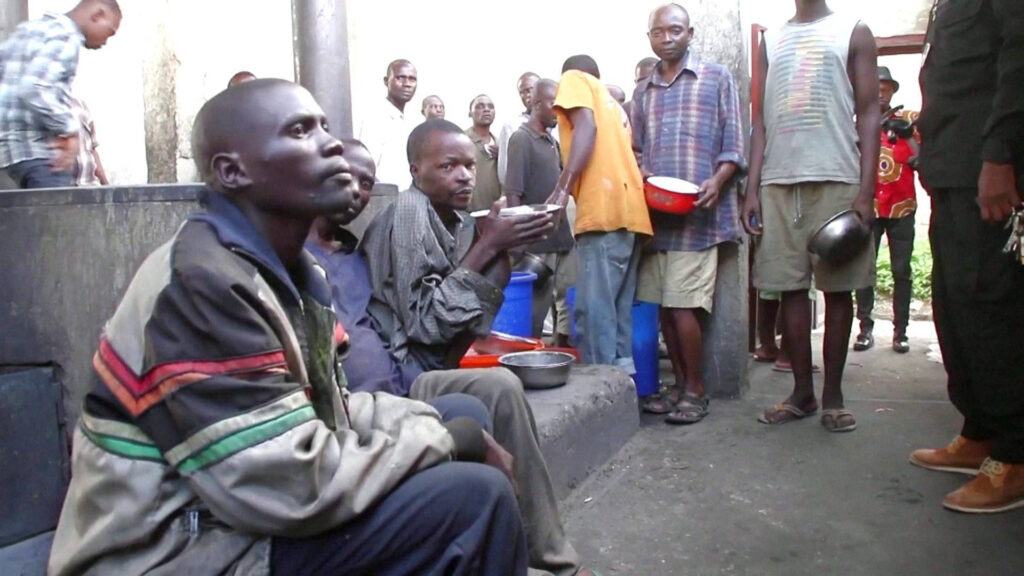
On August 10, 2024, Constant Mutamba, the Minister of Justice of the Democratic Republic of Congo, announced the release of nearly 527 prisoners from the Makala Central Prison in Kinshasa. Mutamba also delivered 2,000 mattresses, part of a 7,000-mattress order, to improve conditions for inmates. He emphasized the government’s commitment to the rule of law and pledged further releases of unjustly detained prisoners. He assured that no prisoner would sleep on the floor as new beds are being manufactured and the prison’s health center and several pavilions are being renovated. A new prison is also planned for Maluku. The government previously announced plans to release at least 7,000 inmates from Makala, the country’s largest jail, which, designed for 1,500 inmates in 1957, now holds over 15,000 people under notoriously poor conditions.

DR Congo releases 527 prisoners to address overcrowding. Read More »

Tanzanian police arrest key opposition leaders amid heightened tensions

Police in Tanzania arrested several key opposition figures Sunday in the southern highlands city of Mbeya. Those arrested include former presidential candidate Tundu Lissu. Lissu, a leading figure in the Chama Cha Demokrasia na Maendeleo (Chadema) party, was reportedly beaten severely by police before being taken to an undisclosed location, according to party officials. The arrests took place ahead of World Youth Day celebrations, which Chadema’s youth wing, Bavicha, had planned to mark with a public gathering.  Authorities swiftly moved to prevent the event, citing concerns over potential unrest.  The crackdown came at a time when President Samia Suluhu Hassan has been pursuing a reconciliation process with the opposition, raising questions about the sincerity of these efforts. Freeman Mbowe, Chadema’s chairman, condemned the arrests and the police’s actions.  “We strongly condemn the police for arresting our top party leaders, including those from the Chadema Youth Council, Bavicha,” Mbowe said.  He demanded the immediate and unconditional release of all those detained. Lissu, who survived a 2017 assassination attempt, has been a vocal critic of the government. His recent declaration to challenge President Samia in the 2025 elections has heightened tensions. Reports suggest that Lissu and Chadema’s Secretary General, John Mnyika, were separated from other detainees, with eyewitnesses claiming that Lissu was brutally beaten before being taken away. Human rights advocate Onesmo Ole Ngurumwa warned that the government’s actions threaten to undermine national unity and democratic reforms as the country approaches local elections in October. “What is happening in Mbeya is a bad sign that we could revert to the dark days. If political meetings are banned, young people might create social movements outside the party system, which are much harder to deal with,” he said.

Tanzanian police arrest key opposition leaders amid heightened tensions Read More »

ECOWAS Sending 1,200 troops to Sierra Leone

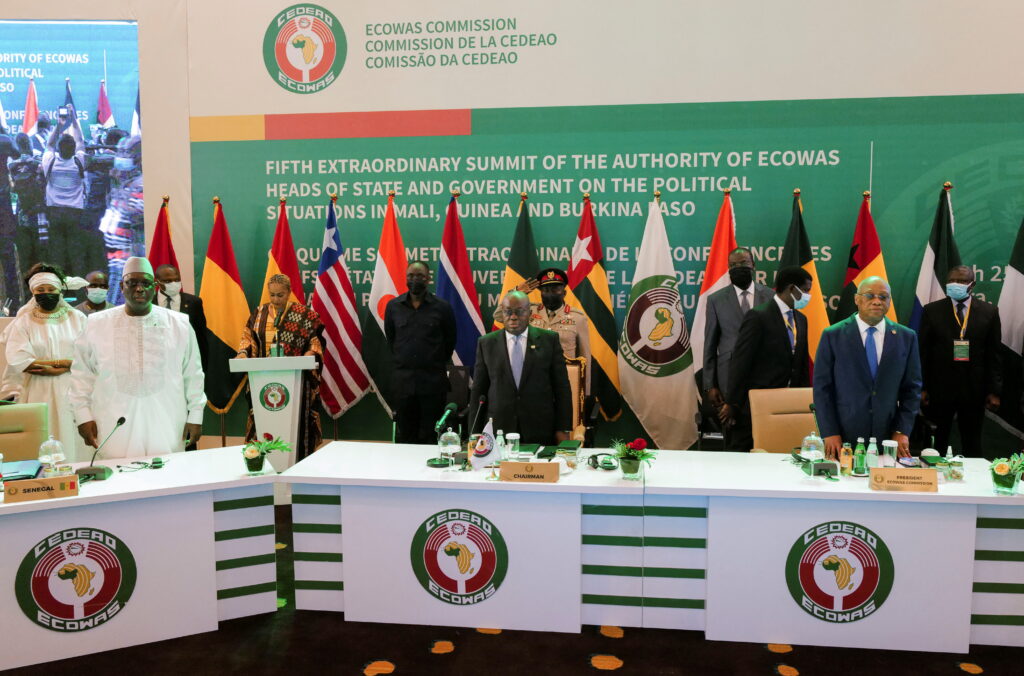
The Economic Community of West African States (ECOWAS) has announced that it will send 1,200 troops to Sierra Leone. According to a written statement by Ajuri Ngelale, Special Adviser to the ECOWAS Chairperson Bola Ahmed Tinubu, Tinubu met with the chiefs of staff of member countries in Nigeria’s capital, Abuja. Nigerian Chief of Defence Staff Christopher Musa stated during the meeting that ECOWAS has decided to deploy 1,200 troops to Sierra Leone and that the member countries have pledged to support this effort. Coup Attempt in Sierra Leone On November 26, 2023, a group attacked an armory at the Wilberforce Barracks in Freetown, followed by an assault on a nearby prison. In the prison attack, 2,200 inmates escaped, leading to a partial curfew being imposed across the country. Military spokesperson Issa Bangura reported that in the attack on the Wilberforce Barracks, 19 people, including 13 soldiers and one police officer, lost their lives, and 8 others were injured. Sierra Leone’s Minister of Information and Civic Education, Chernor A. Bah, described the attacks on the barracks and the prison as a “coup attempt.” Several individuals, including military personnel and police officers, have been detained in connection with the coup attempt. Among the suspects, 12, including a bodyguard of former President Ernest Bai Koroma, have been charged with “treason.” Koroma traveled to Nigeria’s capital, Abuja, after Sierra Leone’s High Court permitted him to go abroad for medical treatment.

ECOWAS Sending 1,200 troops to Sierra Leone Read More »

Western hunts endanger Africa’s 23,000 captive lions

 Captive lions taken from their wild habitats in Africa and raised in captivity, are being slaughtered for the pleasure of tourists, particularly from Western countries, with the US a major contributor. Lion Day is celebrated Aug. 10. Thousands of captive lions, who spend their lives entertaining tourists behind steel bars, are kept ready for the day when they will be killed under the guise of hunting events. Wild lions, who have lost the majority of their population and habitats due to human activity in the last century, are struggling to survive in the vanishing savannas of Africa. – Lion population has fallen by 43% since 2001 There were about 200,000 lions in the wild at the beginning of last century, according to estimates by the Oxford University Wildlife Conservation Research Unit. By the end of the last century, the population, which had dwindled to around 33,000 due to hunting and other human factors, had decreased by 43% since 2001. Today, it is estimated that 23,000 lions remain in the wild. Having lost nearly 95% of their historical natural habitats, lions today primarily live in well-protected national parks in Tanzania, South Africa, Botswana, Namibia, Zambia and Zimbabwe. – Captive lions Research includes only lions living in the wild in global lion population estimates. Captive lions, which are removed from their natural habitats and live in captivity, are excluded from the list. The term captive lions refers to lions born and raised on special farms for commercial purposes. Those lions lack hunting skills and do not adapt to the wild due to their fearlessness of humans. – Lion tourism South Africa, which hosts one of the largest lion populations in the world, has about 3,500. It is also one of the leading countries with the largest captive lion population. According to a 2024 report by the World Animal Protection Society, there are approximately 8,000 captive lions in 366 farms in the country. The captive lion industry, which generates more than $40 million annually for the South African economy, is a significant part of the tourism sector. Lions kept in private nature reserves and farms across the country are displayed to tourists visiting the area for safaris, for a fee. Tourists who visit the facilities, where entrance fees typically range from $10 to $15, can pay an additional fee to pet and take photos with lions separated from their families. One of the most popular activities among tourists is watching captive lions being fed by caretakers. – Lion hunting Captive lions, who spend their lives entertaining tourists behind steel bars and cages, are often killed for sport by tourists from Western countries when they grow old. South Africa, where captive lion hunting is legal with a special permit, is one of the leading centers for lion hunting worldwide. According to a 2022 report by Humane Society International, approximately 4,000 captive lions were hunted by foreigners in South Africa between 2014 and 2018. The report revealed that more than half of the lions were hunted by American tourists, followed by Spaniards, Russians, Danes, Canadians and Germans. According to information obtained by Anadolu reporters from South African tourism agencies, the cost of hunting parties ranges from $4,000 to $60,000 in 2024, depending on the type of hunt and tour. The tours are conducted as safari tours lasting seven to 10 days on farms covering thousands of acres, mostly in the North West and Limpopo provinces. Hunts, where lions are killed with rifles from a safe distance in more confined areas, are referred to as “canned hunts.” Hunters can take photos with the lions they kill and bring the skulls home as trophies.

Western hunts endanger Africa’s 23,000 captive lions Read More »

Algerian boxer Imane Khelif wins gold

Algerian boxer Imane Khelif secured a gold medal on Friday at the Paris Olympics, triumphing in a challenging tournament marked by intense scrutiny and online abuse. Khelif, who faced misconceptions and attacks questioning her womanhood, defeated China’s Yang Liu 5:0 in the women’s welterweight final. The match took place at Roland Garros, where Khelif was cheered on by enthusiastic crowds waving Algerian flags. Following her victory, Khelif celebrated with her coaches and proudly displayed an Algerian flag. “For eight years, this has been my dream,” she said through an interpreter. “Despite the attacks, my success tastes even sweeter.” The scrutiny Khelif faced stemmed from controversies surrounding her eligibility and false claims about her gender. These issues began after the International Boxing Association (IBA) disqualified her and another boxer, Li Yu-ting, from last year’s world championships, citing an unclear eligibility test. Khelif, who has competed in IBA events since 2018, responded to critics by emphasizing her authenticity. “I’m a woman like any other woman. I was born as a woman, I live as a woman, and I am qualified,” she asserted. The International Olympic Committee (IOC) has since banned the IBA from the Olympics, criticizing its governance and sex testing practices. Despite the IBA’s tarnished reputation and amplified disinformation, Khelif excelled in Paris, winning every round in her matches. Khelif’s gold medal is Algeria’s first in women’s boxing and only the nation’s second overall, joining Hocine Soltani’s 1996 gold. The victory has made her a national hero, celebrated in Algeria with public screenings and murals. Her performance in Paris culminated a remarkable tournament, beginning with an unusual first bout where her opponent withdrew early due to injury. Khelif’s resilience and skill shone through, earning her the title of one of the best Olympic boxers. As Khelif enjoys her well-deserved accolade, the spotlight now shifts to Lin, who competes for Taiwan’s first boxing gold medal on Saturday.

Algerian boxer Imane Khelif wins gold Read More »

Scroll to Top