

UN launches $40.4M appeal for Congo refugee crisis
Tens of thousands of Congolese refugees have fled to Burundi, overwhelming existing resources and requiring urgent assistance.
UN launches $40.4M appeal for Congo refugee crisis Read More »
Tens of thousands of Congolese refugees have fled to Burundi, overwhelming existing resources and requiring urgent assistance.
UN launches $40.4M appeal for Congo refugee crisis Read More »

Burundi has withdrawn its troops from eastern DRC, where they were fighting alongside the Congolese army against M23 rebels.
Burundi pulls troops from DRC as M23 rebels advance Read More »

Rwanda accuses Burundian troops of engaging in open fighting with the M23 group in eastern DRC, as Burundi warns the conflict could lead to a regional war.
Rwanda accuses Burundian troops of engaging in fighting with M23 Read More »

Young Burundians are fleeing to Tanzania in search of work, but many face harsh treatment upon arrival. Accused of being illegal migrants, they are often hunted down, arrested, beaten, and imprisoned before being deported back to Burundi. Once home, many are taken in by families in Mabanda, southern Burundi. Habimana Domatien, a 23-year-old from Kayanza in northern Burundi, recalls his traumatic experience in Kasulu Prison. “We were surrounded, arrested, and taken to a station. We were beaten at night, slapped, and severely mistreated. It was very hard,” he says. Host families in Burundi are calling on Tanzanian authorities to stop the mistreatment of these young migrants. “We ask Tanzania not to harm them. Some return traumatized, depressed, and almost beyond recovery. The Tanzanian government should treat our youth with kindness, as we do when they come to us,” says Olive Sindayihebura, a representative of host families. NGOs report that around 300 children have been expelled from Tanzania in the past two months. Ferdinand Simbaruhije, spokesperson for the National Federation of Associations for Children’s Welfare in Burundi (FENADEB), states that between July and September of this year, 149 children were expelled—147 boys and two girls. An additional 182 children returned voluntarily, bringing the total to 291. FENADEB attributes the migration of Burundian youth to widespread poverty, with many falling prey to human trafficking networks operated by Burundians in collaboration with Tanzanian traffickers.
Burundian youth flee to Tanzania for Work, face abuse and deportation Read More »

Reporters Without Borders has condemned the harsh sentence and called for her immediate release.
RSF condemns harsh sentence for Burundian journalist Read More »
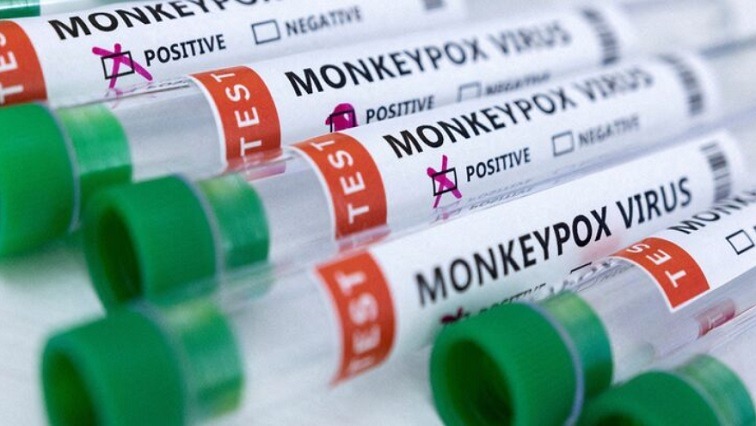
A new and more aggressive strain of the potentially deadly mpox virus is spreading rapidly among children in the Democratic Republic of Congo (DRC) and Burundi, with cases more than doubling since a public health emergency was declared in mid-August, according to Save the Children. The fast-moving clade 1b strain has disproportionately impacted children in the DRC, the epicenter of the outbreak, and in Burundi, where children face heightened health risks due to hunger, displacement, and limited access to healthcare. These two countries account for 92% of all mpox cases in Africa this year. As of November 3, suspected child cases in the DRC had increased by over 130%, from about 11,300 to 25,600, while in Burundi, confirmed child cases have surged from 89 to nearly 1,100 since the World Health Organization (WHO) declared the outbreak a public health emergency on August 14. The overall risk remains critically high, especially for children, who are nearly four times more likely to die from the new strain of mpox than adults. Children in areas with poor sanitation, malnutrition, and limited healthcare are at an even greater risk due to their lack of access to testing and vaccines. Mpox symptoms include fever, rash, and lesions on the body, severe headaches, and fatigue. In some cases, children may develop respiratory issues, and in severe cases, mpox can lead to sepsis, a life-threatening infection response. According to the Africa Centers for Disease Control and Prevention (CDC), the total number of suspected and confirmed mpox cases across Africa has surpassed 46,000 this year, with over 1,000 fatalities. “Children are particularly vulnerable to mpox—they explore by touch and taste, don’t always understand health guidance, and have weaker immune systems than adults,” said Save the Children. “They need timely information to protect themselves, and parents must be supported to get them the care they need if they fall ill.” To combat the outbreak, Save the Children is working in the DRC to provide accurate information, counter misinformation, and support health centers with essential supplies. In eastern DRC, the organization is supplying medication, isolation tents, beds, personal protective equipment (PPE) for health workers, and training local leaders to identify and report suspected cases. In Burundi, Save the Children is collaborating with the Ministry of Health and the Department of Emergency Response (COUSP) to strengthen the health system and manage the mpox outbreak. Efforts focus on preventing the spread, particularly among vulnerable refugee populations, and enhancing healthcare capacity to effectively respond to the crisis. Save the Children’s Emergency Health Unit has deployed additional specialists to support clinical care, operations, and water and sanitation efforts, ensuring resources are in place to protect at-risk communities.
Surge in mpox cases among children in DRC and Burundi Read More »

The World Health Organization reports that mpox cases in the Congo region, where a new, more infectious variant emerged, are stabilizing.
Mpox cases plateau in DR Congo’s outbreak origin Read More »

According to UNICEF, children aged 5 to 19 make up 33 percent of mpox cases in Burundi. As the new academic year begins, schools and parents are taking this data seriously. At a school in western Burundi, staff are implementing measures to protect both students and themselves. The director of the ‘Les Petits Trésors’ school stated, “When they line up in front of the flag, they must keep their distance to avoid touching each other, and handwashing is mandatory.” In recent weeks, Burundi has seen a more than 40 percent increase in mpox cases, with hundreds reported since July. Meanwhile, neighboring Democratic Republic of Congo is also experiencing a rise in mpox cases. The World Health Organization recently noted that suspected cases in the DRC account for a significant portion of the nearly 30,000 cases recorded across Africa this year. In August, the WHO declared the outbreak a public health emergency in parts of Africa. Beyond the continent, a few cases have also been confirmed in countries like Sweden and Pakistan.
Burundi implement safety measures for Mpox Read More »

Congo is facing a shortage of testing kits, while neighboring Burundi is experiencing a growing outbreak
WHO reports nearly 30,000 suspected mpox cases in Africa this year Read More »

Children in Burundi are disproportionately affected by the ongoing mpox outbreak, prompting UNICEF to lead the response efforts.
UN raises alarm over mpox cases among Burundian children Read More »