Kenya

Malaria likely cause of mystery illness in Southwest Congo

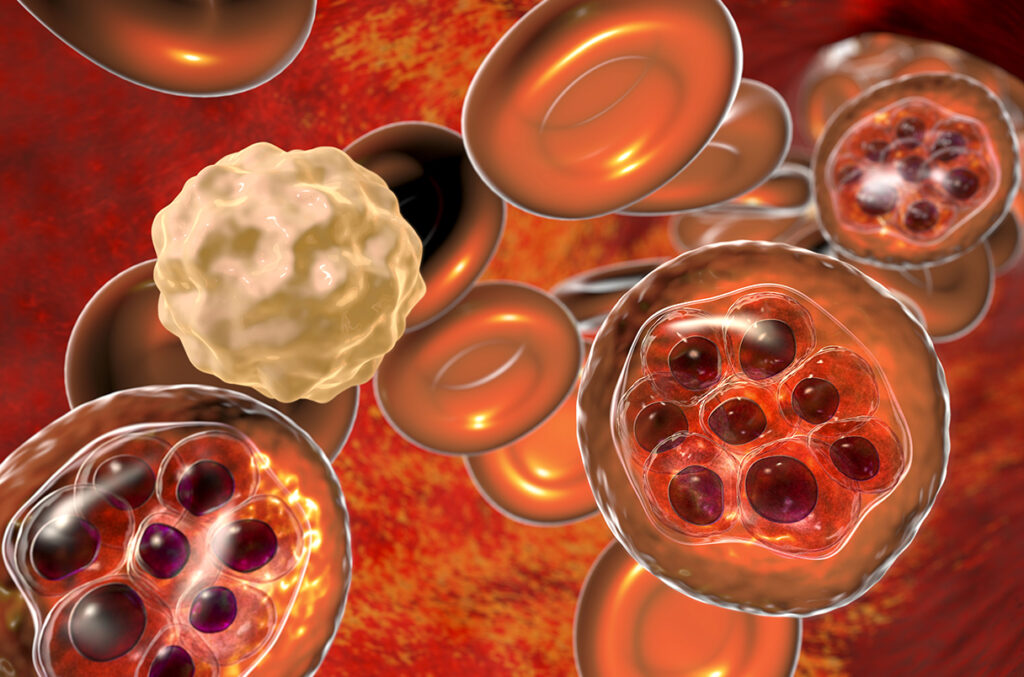
A mysterious flu-like illness that has claimed dozens of lives in southwest Congo in recent weeks may be malaria, according to initial laboratory tests of infected individuals, authorities reported Wednesday. Dr. Jean-Jacques Muyembe, Director-General of the National Institute for Biomedical Research in Kinshasa, said, “Of the 12 samples taken, nine tested positive for malaria, but the quality of the samples was not ideal. We are continuing our research to determine whether this constitutes an epidemic.” He added, “It is likely malaria, as most of the victims are children.” On Tuesday, WHO Director-General Tedros Adhanom Ghebreyesus also confirmed that most of the samples tested positive for malaria, but cautioned that other diseases could be involved. He noted that additional samples would be collected for further analysis. In recent weeks, there have been 416 reported cases and 31 deaths in hospitals, according to the WHO. Congo’s Health Minister, Roger Kamba, added that another 44 deaths were recorded in the community. The majority of cases and deaths have occurred in children under 14 in the remote Panzi health zone in Congo’s western Kwango province, the WHO reported. Ezekiel Kasongo, a Panzi resident, shared that his 9-year-old son was recently released from the hospital after falling ill two weeks ago. “He had a high fever, headache, and was very weak,” Kasongo said. “We were very worried because of the number of deaths, especially among children, but thank God, he is out.” Symptoms of the illness include fever, headache, cough, and anemia. Experts from the National Rapid Response Team and the WHO visited Panzi last week to collect samples and investigate. The Panzi health zone is difficult to reach, with experts taking two days to arrive. It is located about 435 miles (700 kilometers) from the capital, Kinshasa. Due to limited local testing capacity, samples had to be sent to Kikwit, more than 500 kilometers away, said Dieudonne Mwamba, head of the National Institute for Public Health. Mwamba also noted that Panzi had experienced a typhoid fever outbreak two years ago, and that there is currently a resurgence of seasonal flu across the country. High levels of malnutrition and low vaccination rates in the area make children particularly vulnerable to diseases like malaria, Tedros added.

Malaria likely cause of mystery illness in Southwest Congo Read More »

Red Sea film festival kicks off in Jeddah with 120 films

The fourth edition of the Red Sea International Film Festival is underway in Jeddah, Saudi Arabia, showcasing over 120 films from 81 countries. This year’s program includes 16 films in the Features Competition. One of the highlights is My Driver and I, a Sudanese drama about the bond between a taxi driver and a young Saudi woman. The film’s lead actor, Mustafa Shehata, describes it as a deeply emotional story of an immigrant driver who treats his young passenger like a daughter, while also longing for his own daughter back in Sudan. Saudi Arabia is aiming to expand its cultural influence, and since the festival’s launch in 2021, it has drawn global talent. This year, Academy Award winners Viola Davis and Spike Lee, as well as Bollywood stars Aamir Khan and Ranbir Kapoor, are attending, enhancing the festival’s growing international profile. However, some critics argue that such events are intended to distract from ongoing concerns over the country’s human rights record. The festival runs through December 14.

Red Sea film festival kicks off in Jeddah with 120 films Read More »

Kenyan court finds LGBTQ activist’s housemate guilty of murder

A Kenyan court has found the housemate of LGBTQ activist Edwin Chiloba guilty of murder after the activist’s body was discovered in a metal box two years ago. On Wednesday, a High Court judge in Eldoret ruled that Jacktone Odhiambo suffocated Chiloba and hid his body in a metal box, which was later dumped on the roadside. Odhiambo, who denied the charges, was found to have DNA evidence linking him to the victim, and witnesses testified to hearing a heated argument between the two and seeing Odhiambo moving the box. The court did not determine the motive for the killing, though DNA evidence indicated that Odhiambo and Chiloba had an intimate relationship. Despite this, the killing was not considered a hate crime by the police, who arrested Odhiambo, Chiloba’s housemate in Eldoret. Chiloba’s death in January 2023 garnered international attention, highlighting issues surrounding LGBTQ rights in Kenya, where same-sex relationships are illegal. At the time, Chiloba was known for his activism and fashion sense within the LGBTQ community. Kenya remains a largely conservative society, with the president stating in the past that gay rights are not a priority for the country.

Kenyan court finds LGBTQ activist’s housemate guilty of murder Read More »

IFAD urges investment in small farmers at COP16

The UN’s International Fund for Agricultural Development (IFAD) is urgently calling for increased investments to support small-scale farmers in combating land degradation and desertification. These efforts are critical to safeguarding global food security, climate stability, and ecosystems, as the sixteenth Conference of the Parties (COP16) to the United Nations Convention to Combat Desertification (UNCCD) takes place this week in Riyadh, Saudi Arabia. IFAD President Alvaro Lario, who is attending COP16 in Riyadh, is advocating for small-scale farmers and producers who are grappling with the devastating effects of drought and desertification—challenges that threaten the livelihoods of approximately 1.5 billion people worldwide. The drought in East Africa, which has been the worst in over 40 years, and the worsening conditions in North Africa underscore the urgency of addressing these issues. In the Sahel region, which forms a barrier to the Sahara Desert, desertification has advanced up to 200 kilometers southward over the past 30 years. This year, Zimbabwe has experienced its worst drought in living memory, leading President Emmerson Mnangagwa to declare a nationwide state of disaster. Many small-scale farmers in Zimbabwe rely on rainfed agriculture, and the ongoing drought—driven by El Niño—has led to widespread crop failure. An estimated 40% of farmers have lost their entire harvest, and poor infrastructure, including broken irrigation systems, is further hampering efforts to grow crops. The situation is expected to leave 6 million people in Zimbabwe food insecure during the 2024-2025 lean season (January to March). In response, IFAD has been supporting initiatives such as the Smallholder Irrigation Revitalization Programme (SIRP), which is helping thousands of farmers maintain crop production despite limited rainfall. This project, benefiting over 27,000 rural households, aims to restore irrigation systems and improve climate resilience and food security across Zimbabwe. At COP16, IFAD will emphasize the urgent need for greater investment in small-scale farmers, who produce 40% of the world’s food, and 60% of Africa’s food. “The world’s 500 million small farms are the backbone of global food systems,” said IFAD President Lario. “They are the most vulnerable to climate change and the least prioritized for investment. Supporting them is essential if we want to ensure long-term food security.” IFAD will also stress that neglecting investment in food security, poverty reduction, and stability has dire consequences. In addition to the human and economic toll, land degradation and climate change could drive as many as 700 million people to migrate by 2050, further exacerbating global challenges. Small-scale farmers play a pivotal role in economic stability, particularly in many developing countries where agriculture is a key driver of GDP.

IFAD urges investment in small farmers at COP16 Read More »

Scroll to Top