Kenya

Kenya’s impeached deputy president says his life is in danger

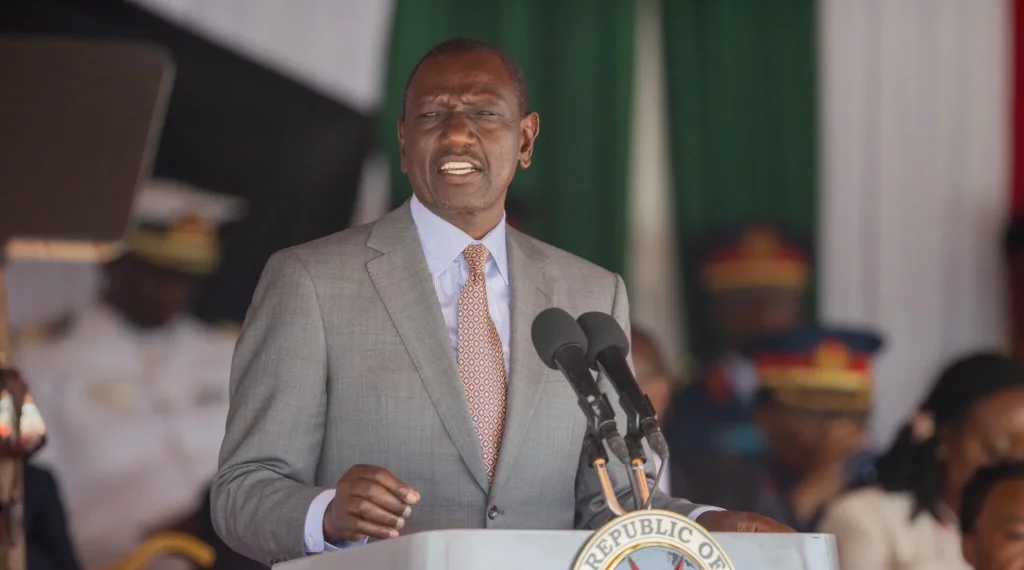
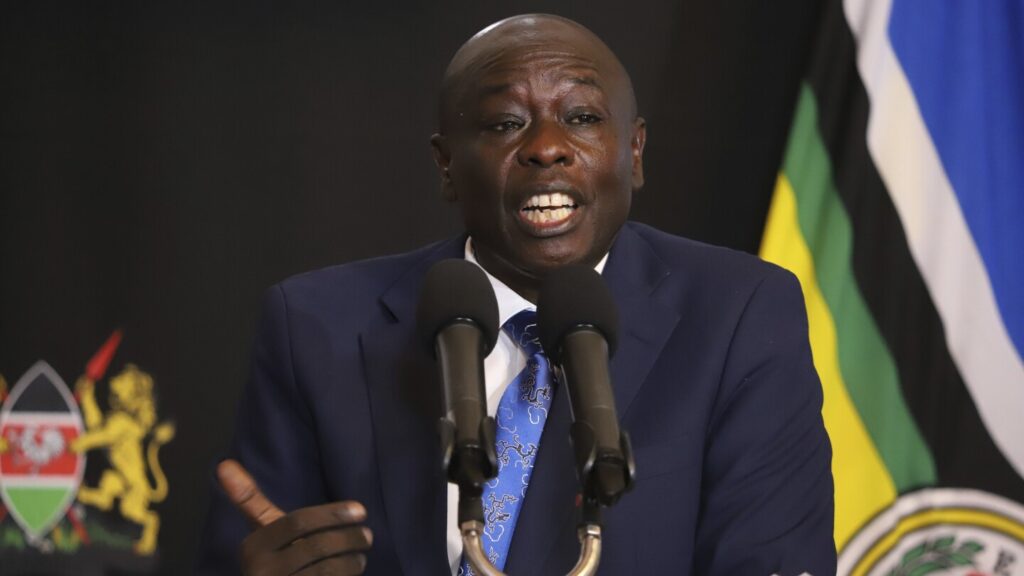
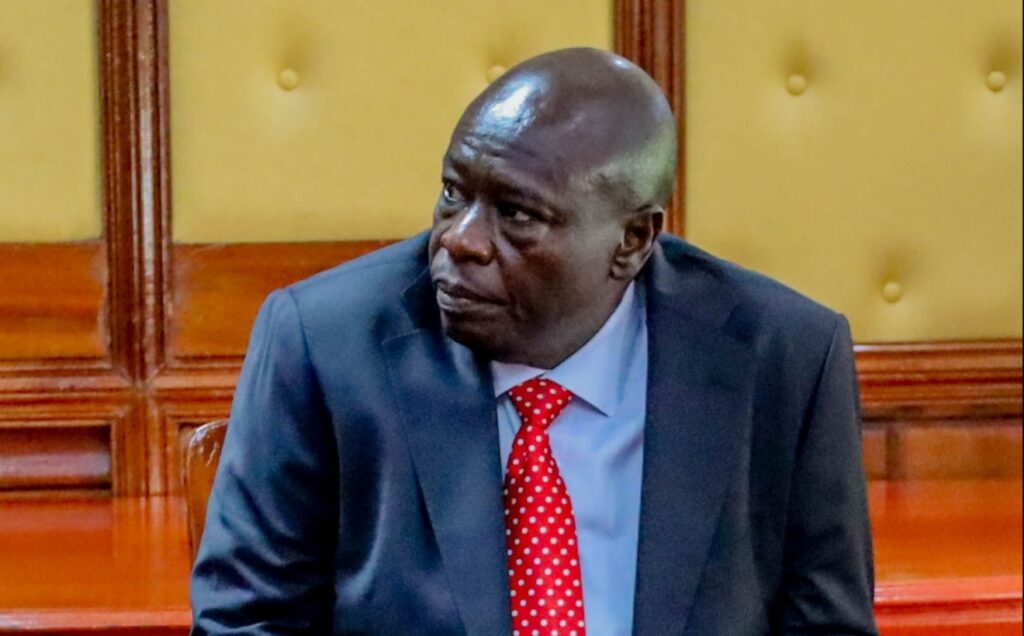
Lorem ipsum dolor sit amet, consectetur adipiscing elit, sed do eiusmod tempor incididunt ut labore et dolore magna aliqua. Ut enim ad minim veniam, quis nostrud exercitation ullamco laboris nisi ut aliquip ex ea  Kenya’s impeached deputy president, Rigathi Gachagua, said Sunday that his life is in immediate danger, accusing President William Ruto of orchestrating efforts to harm him. Gachagua, who is facing charges of corruption, abuse of office and inciting ethnic tensions, told reporters Sunday that assassination attempts had been made against him and his security detail had been suddenly withdrawn. In a statement following his impeachment, Gachagua expressed deep concern for his safety and that of his family. “I don’t feel safe…There have been two attempts to poison me,” he said, referencing incidents in Kisumu and Nyeri, where he said undercover agents tried to tamper with his food. He also said that security personnel assigned to protect him were disarmed and ordered to stay away, leaving him vulnerable. “Don’t kill us. Don’t kill my children,” he pleaded, calling for President Ruto to “leave me alone.” Gachagua is preparing for a legal battle to challenge his impeachment. Legal proceedings will begin soon and scrutinize whether due process was followed during the impeachment. Ruto has nominated Interior Minister Kithure Kindiki as his deputy. Despite lawmakers confirming Kithure Kindiki as Kenya’s new deputy president on Friday, the High Court in Nairobi has temporarily halted his appointment. The court issued the order in response to an urgent petition challenging Kindiki’s nomination by President Ruto, effectively freezing the process until a hearing scheduled for Thursday. The petition claims that the appointment process violated constitutional provisions.  All proceedings regarding Kindiki’s assuming office are on hold until the case is heard. consequat. Duis aute irure dolor in reprehenderit in voluptate velit esse cillum dolore eu fugiat nulla pariatur. Excepteur sint occaecat cupidatat non proident, sunt in culpa qui officia deserunt mollit anim id est laborum.

Kenya’s impeached deputy president says his life is in danger Read More »

Climate change and conflict drive rising malnutrition rates

Climate change and ongoing conflict in northeastern Nigeria have led to a sharp rise in severe malnutrition cases. The International Committee of the Red Cross (ICRC) reports a 24% increase in young children suffering from malnutrition compared to last year, highlighting the struggles families face in the Lake Chad region. Rabiatu Jubrilla shared her experience of bringing her son to the ICRC’s Mubi stabilization clinic, stating he was unable to sit up on his own. After stopping breastfeeding at 1 year and 9 months, he began to lose weight, raising concerns about his health. The protracted conflict has displaced millions and destroyed livelihoods, severely impacting access to agricultural land. Paul Ezra, a farmer from Adamawa State, lamented that violence from groups like Boko Haram has made farming nearly impossible. The ICRC’s Nigeria Head of Delegation, Yann Bonzon, noted a 58% increase in fighting in the Lake Chad region in the first half of 2024, coinciding with rising food insecurity. The area’s reliance on subsistence farming makes it particularly vulnerable to climate change, which has caused irregular rainfall and devastating floods that destroyed crops. The ICRC estimates that over six million people in the Lake Chad region will face food shortages in the coming months due to the combined effects of conflict and climate change.

Climate change and conflict drive rising malnutrition rates Read More »

Mpox deaths exceed 1,000 as outbreaks widen across Africa

Mpox-related deaths have surpassed 1,000 amid outbreaks affecting 18 of Africa’s 55 nations, according to the head of the Africa CDC, Jean Kaseya. This week alone saw 50 new fatalities, bringing the total to 1,100. Kaseya urged international partners to fulfill their pledges to support Africa’s response, highlighting a nearly $600 million budget for a six-month plan developed by Africa CDC and the WHO. Of this amount, 55% is earmarked for addressing mpox in 14 affected nations and enhancing preparedness in 15 others. Mpox, related to smallpox, typically causes milder symptoms like fever and body aches, but severe cases can result in lesions. Zambia and Zimbabwe recently confirmed new cases, with eastern DRC remaining the epicenter of the outbreak. The mpox virus was first identified in Denmark in 1958, and while it had sporadically spread in central and West Africa for years, a global outbreak began in 2022, prompting rapid vaccine distribution from wealthy countries.

Mpox deaths exceed 1,000 as outbreaks widen across Africa Read More »

Scroll to Top