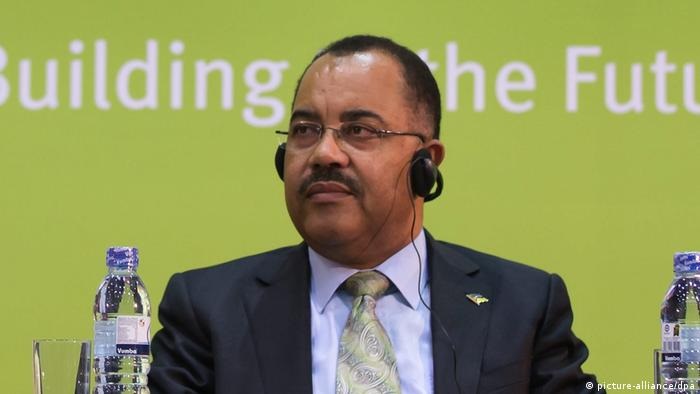
Mozambique expects to recoup around $1.9 billion as a result of a substantial court victory in the “tuna bond” scandal case tried in a London court, the southern African country’s attorney general said Monday. The revelation was made after London’s High Court “substantially” ruled in favor of Mozambique against Emirati-Lebanese shipbuilder Privinvest on Monday in connection with the alleged payment of bribes in one of Africa’s biggest graft scandals. A statement issued by the Attorney General’s Office said the $1.9 billion figure reflects the amounts that the state has already paid under the guarantees, including principal, interest and fees of the Eurobonds. It added that the attorney general would also take steps to pursue the reimbursement of all legal costs resulting from the case. “The Attorney General’s Office will continue within the scope of its constitutional and legal powers to work with other actors in society, both inside and outside the country, to eradicate corruption and all organized and transnational crime, holding those involved accountable,” the statement said. Mozambique sued Privinvest and its late owner Iskandar Safa on allegations of paying bribes to its government officials and Credit Suisse bankers. The suit alleged that more than $136 million was paid to secure favorable terms on three projects in 2013 and 2014, including one designed to exploit the country’s tuna-rich coastal waters. In his ruling, Judge Robin Knowles said Mozambique is “entitled as against Mr. Safa and the Privinvest companies” to payment of more than $825 million in damages. In addition, Mozambique is entitled to an indemnity in respect of payments of around $1.5 billion that it is meant to pay, including about $1.4 billion it is liable to pay to bondholders until 2031, according to the ruling. The court found that Privinvest had bribed Manuel Chang, a former finance minister, to approve loans. Privinvest and Safa, however, denied the charges during the beginning of the trial last year, arguing that any payments were lawful. The respondents through their lawyers claimed the case was politically motivated to shift blame from Mozambican President Filipe Nyusi and other senior officials. The scandal occurred after three newly state-owned companies in 2013 and 2014 reportedly acquired more than $2 billion in loans from international banks with the Mozambican government as guarantor – most of it taken without the approval of the country’s parliament. An independent audit in 2017 revealed that $500 million of the money went missing under unclear circumstances. Following the scandal, donors including the International Monetary Fund (IMF) cut funding to the country, triggering an economic crisis amid a surge in inflation and currency collapse after the government admitted to the borrowing. The money was reportedly used to purchase a large tuna factory and a maritime security fleet but also used to fund other deals involving public-private companies. In 2022, a court in Mozambique handed a 12-year jail term to the son of former President Armando Guebuza after finding him guilty in the scandal. Armando Ndambi Guebuza was convicted of embezzlement, money laundering and criminal association in the case, which defrauded the government of more than $2.7 billion.