South Africa

South Africa’s unemployment rate climbs, over 8 million jobless

South Africa’s unemplyment rate increased by 0.6 percentage points from 32.9% in Q1 2024 to 33.5% in Q2 2024, the government’s statistics office reported Tuesday. Africa’s most industrialized economy has struggled to create jobs in recent years due to a long recession and most recently the Covid-19 pandemic.  About 8.4 million people were out of work, up from 5.2 million in 2014. The number of employed persons fell by 92,000 to 16.7 million in Q2 2024. The sectors which saw the most job decreases include trade, agriculture and construction.  Only manufacturing, social services and utilities added jobs.  The figures are the first to be released since the May elections which brought in a coalition government which put reviving the ailing economy top of its agenda.  Unemployment was a key political issue in the vote, likely contributing to the loss of an absolute majority by the African National Congress (ANC).  The statistics affice said that the most significant decrease in employment was observed in the Western Cape, Mpumalanga and KwaZulu-Natal provinces.

South Africa’s unemployment rate climbs, over 8 million jobless Read More »

Africa CDC declares mpox a public health emergency

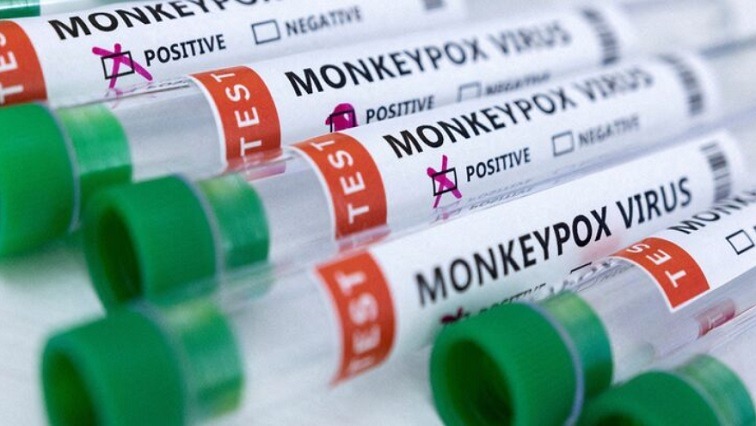
On Tuesday, the African Union’s health authority declared a public health emergency in response to a rising outbreak of mpox, which has been increasing since July. In an online briefing, Jean Kaseya, head of the Africa Centres for Disease Control and Prevention (Africa CDC), emphasized the need for urgent and robust measures to combat the outbreak. As of August 4, the Africa CDC reported 38,465 mpox cases and 1,456 deaths across the continent since January 2022. The outbreak has affected multiple African nations, with significant impacts in the Democratic Republic of Congo (DRC), and cases have now been confirmed in nearly all East and Central African countries. Mpox is transmitted through close contact and can cause rashes, flu-like symptoms, and pus-filled lesions. While most cases are mild, there have been confirmed fatalities. Additionally, the World Health Organization will convene its emergency committee on Wednesday to consider whether to declare a Public Health Emergency of International Concern (PHEIC).

Africa CDC declares mpox a public health emergency Read More »

South Africa to enact national health insurance bill despite opposition

South Africa’s President Cyril Ramaphosa has pledged to advance the National Health Insurance (NHI) Bill despite significant opposition. He signed the contentious Bill into law just before his party, the African National Congress, lost its parliamentary majority in May. The NHI aims to overhaul the country’s two-tier healthcare system to provide universal coverage and gradually reduce the role of private health insurance, currently held by fewer than 16% of South Africans. While supporters view the Bill as a step towards addressing apartheid-era inequalities, critics argue that the funding model is flawed and fear that corruption and budget constraints may hinder its success. On the final day of the ANC policy meeting, Health Minister Aaron Motsoaledi announced that some sections of the Bill would be implemented immediately, including forming advisory committees and updating health laws. However, he acknowledged that the full rollout would be phased over several years and might face delays due to legal challenges.

South Africa to enact national health insurance bill despite opposition Read More »

World Bank: 100+ Countries Trapped in “Middle-Income Trap”

The World Bank announced on Thursday that over 100 countries risk falling into a “middle-income trap” unless they implement bold economic growth strategies. Countries such as South Africa, India, Brazil, and China face significant challenges that could impede their progress toward becoming high-income nations in the coming decades. The World Development Report 2024: The Middle Income Trap reveals that as countries become wealthier, they often encounter a “trap” when their GDP per capita reaches approximately 10 percent of the annual US GDP per person. Somik Lall, Senior Advisor to the World Bank Group Chief Economist and Director of the report, noted that the outlook for these countries is bleak. “Over the past 30 years, only 34 middle-income economies have successfully transitioned to high-income status, while others remain trapped,” he said. The study highlights that middle-income countries face tougher challenges compared to their predecessors, including rapidly aging populations, increasing protectionism in advanced economies, and the urgent need for faster energy transitions. It presents a “comprehensive roadmap” to help developing countries escape the “middle-income trap” and achieve high-income status. Lall suggests that countries should abandon outdated methods and adopt a “3i strategy” involving a phased approach with progressively sophisticated policies tailored to their development stage. Low-income countries should focus initially on investment policies (the 1i phase). As the benefits of investment diminish, they should then shift to “infusion,” incorporating global ideas and integrating them into local economies. For upper-middle-income countries, the final phase involves “innovation,” where they strive to become global leaders and producers. Lall emphasized that success will depend on how well societies manage the balance between creation, preservation, and destruction. “Countries that avoid the discomfort of reforms and openness will miss out on the benefits of sustained growth,” he concluded.


World Bank: 100+ Countries Trapped in “Middle-Income Trap” Read More »

Scroll to Top