
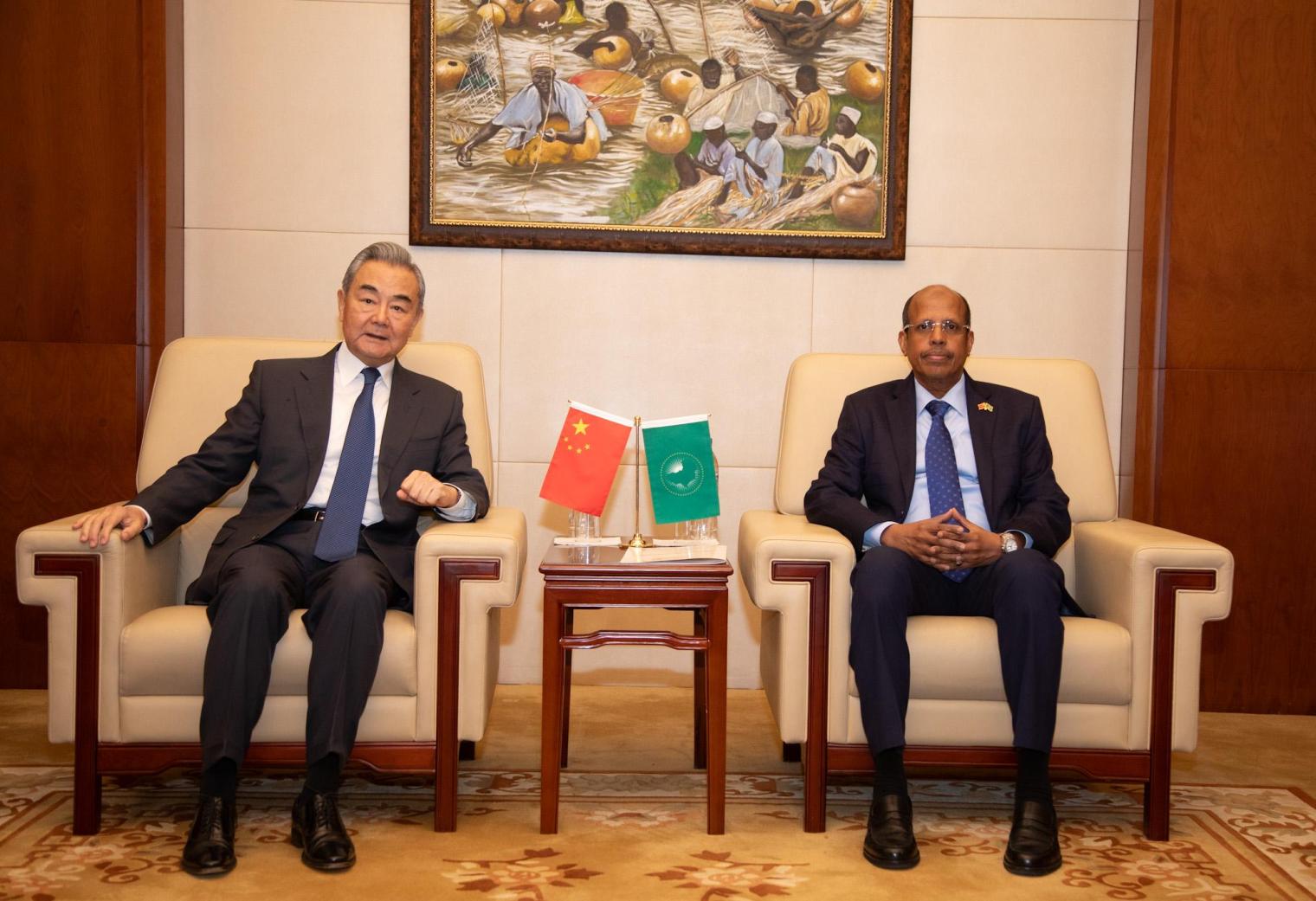
The African Union (AU) reaffirmed its firm support for the One China policy during China’s top diplomat Wang Yi’s visit to its Addis Ababa headquarters.
AU leaders declared there is “but one China,” and that Taiwan remains an inalienable part of Chinese territory, rejecting any notion of Taiwanese independence.
Wang Yi’s visit marks the start of a broader tour of key East African nations, amid rising regional tensions over Israel’s recent diplomatic moves.
On December 26, Israel became the first country to formally recognise Somaliland, the breakaway region of Somalia, sparking intense criticism from the African Union.
The AU condemned Israel’s recognition, calling it a unilateral act that threatens African unity and international norms.
Somalia and its allies argue that recognising Somaliland undermines territorial sovereignty and could set a dangerous precedent across the continent.
Wang will next travel to Somalia, where officials have sought Chinese backing while also reaffirming their own commitment to the One China principle.
Reports suggest the United States and other nations may also consider recognising Somaliland, adding pressure on regional diplomacy.
At the AU meeting, Wang and AU Chief Mahmoud Ali Youssouf expressed shared concern over developments in Venezuela, stressing respect for sovereignty and territorial integrity.
The discussions also underscored growing cooperation between China and the AU, framed by shared interests of the Global South.
Wang’s itinerary includes upcoming visits to Tanzania and Lesotho, nations whose relations with Western powers have recently grown strained.
Tanzania has faced criticism over its election crackdown, while Lesotho has suffered punitive tariffs imposed by the United States.
China’s sustained engagement reflects its longstanding diplomatic tradition of beginning the year with an African tour, now in its 36th year.
Analysts say Beijing’s diplomatic push highlights Africa’s strategic importance and its desire to deepen political and economic ties across the continent.
Wang’s mission, blending strategic dialogue and cultural exchange, aims to strengthen China–Africa relations amid shifting global alliances.
Residents of the region watch closely as diplomatic currents swirl around sovereignty, recognition, and influence in a changing geopolitical era.