
European and African oil markets are tightening sharply as peak summer demand approaches and Asia competes for scarce barrels.
The ongoing Iran war has blocked the Strait of Hormuz for five weeks, halting at least 10 million barrels per day of Middle East oil.
This disruption represents roughly 10 percent of global daily oil consumption, intensifying competition for supplies across Asia, Europe, and Africa.
Asia, the world’s largest oil-importing region, has been most affected, driving Middle East Dubai crude to a record $169.75 per barrel.
North Sea Forties crude surged $7.20 above dated Brent last Friday, marking an all-time premium according to LSEG data.
Short-term Brent swaps indicate further tightness, with prompt contracts trading $12.35 higher than six-week-ahead delivery, also a record.
Analysts say limited barrels and fierce bidding have pushed global prices higher, leaving Europe struggling to secure sufficient crude.
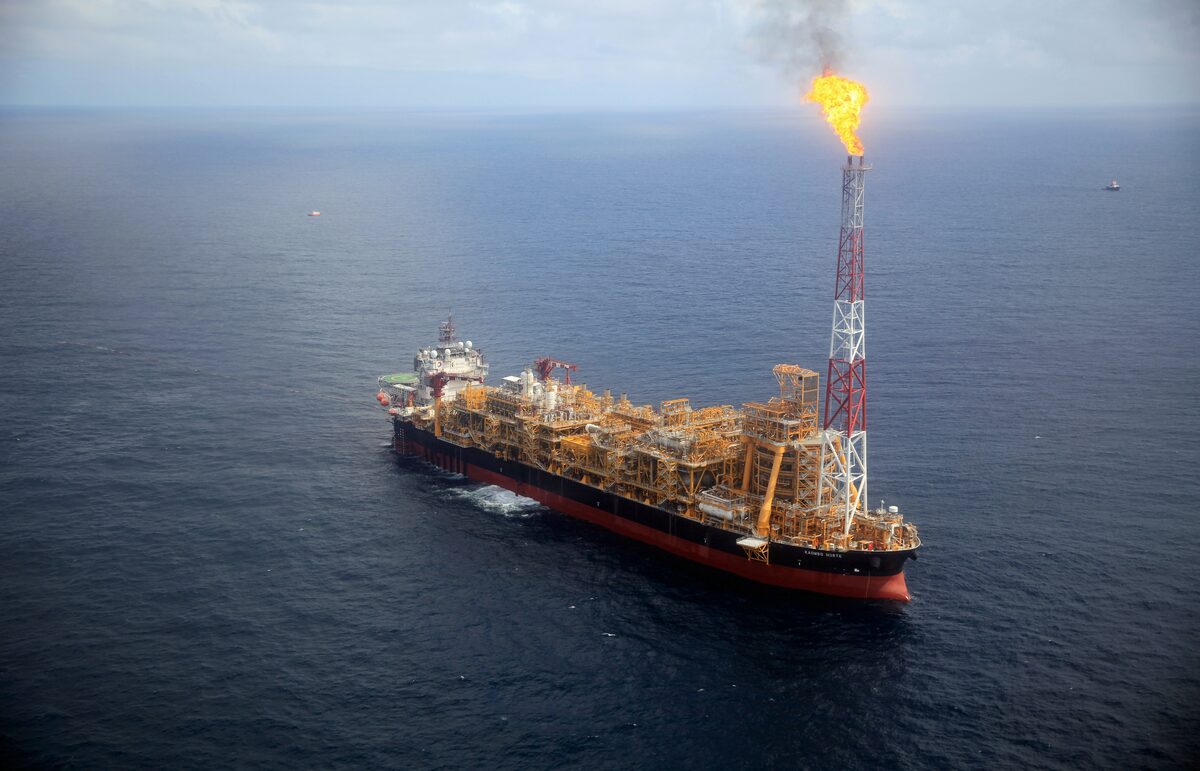
West African oil, previously balancing European demand, is now increasingly diverted to Asia, raising costs for European buyers, Morgan Stanley analysts said.
Shipments of U.S. diesel and gasoil, totaling nearly 600,000 tons, have rerouted from Europe to South Africa and Southeast Asia.
European gasoline and crude cargoes are also flowing eastward, highlighting fierce competition and market pressure amid shrinking global supplies.