
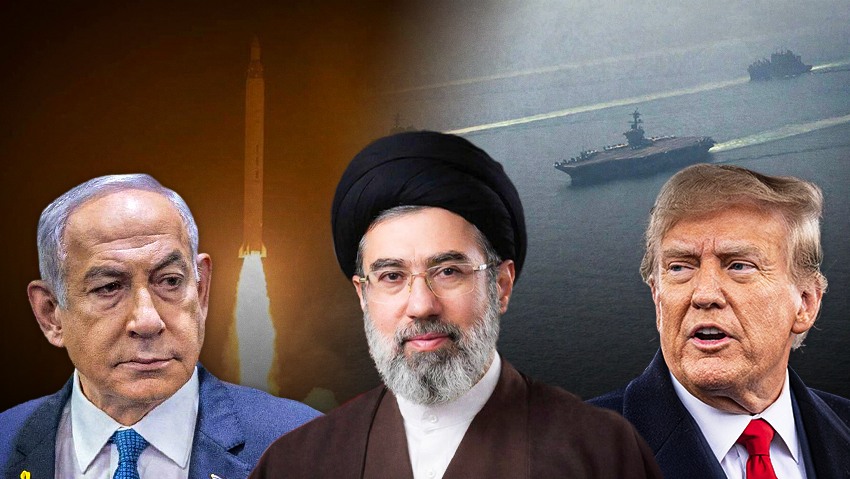
Efforts to bring an end to the war between the United States and Iran appeared to falter on Friday as clashes intensified in the Gulf region and a reported CIA assessment suggested Tehran could endure a U.S. naval blockade for several months without facing crippling economic collapse.
According to a U.S. official familiar with the matter, the CIA concluded Iran would likely avoid severe economic pressure from the blockade of its ports for at least another four months, raising questions over Washington’s leverage in ongoing efforts to force Tehran into a broader settlement.
The reported assessment, first published by The Washington Post, was swiftly challenged by a senior U.S. intelligence official, who dismissed claims that the blockade was ineffective and argued that Iran’s economy was already suffering escalating damage from disrupted trade and shrinking revenues.
Fighting around the Strait of Hormuz meanwhile escalated in what appeared to be the most serious flare-up since a ceasefire between the two sides was announced last month. Iran’s semi-official Fars news agency reported sporadic clashes between Iranian forces and U.S. naval vessels, while Tasnim later quoted a military source saying the situation had calmed but remained volatile.
The U.S. military said it intercepted and struck two Iran-linked vessels attempting to enter an Iranian port, forcing them to turn back after damaging their smokestacks in an aerial attack.
The confrontation also spread beyond the strategic waterway. The United Arab Emirates said its air defenses intercepted two ballistic missiles and three drones launched from Iran, with three people reported injured. Emirati authorities described the attacks as a major escalation linked to recent U.S. moves to escort commercial shipping through the strait.
Iran accused Washington of violating the ceasefire agreement, with Foreign Minister Abbas Araqchi condemning what he described as repeated U.S. military actions whenever diplomatic progress appeared possible. Iranian media also reported casualties following a U.S. Navy strike on an Iranian commercial vessel late Thursday.
Despite the renewed violence, Washington continues to await Tehran’s response to a U.S. proposal aimed at formally ending the war before negotiations begin on more contentious issues such as Iran’s nuclear program. U.S. Secretary of State Marco Rubio said a response from Tehran was expected soon, though Iranian officials said deliberations were ongoing.
The U.S. also increased economic pressure on Tehran by imposing sanctions on 10 individuals and companies, including entities in China and Hong Kong accused of helping Iran secure materials and components for its drone program. The Treasury Department warned it was prepared to expand sanctions further, including against foreign financial institutions linked to Iranian commerce.
Oil markets reacted nervously to the escalating tensions, with Brent crude rising above $101 per barrel amid fears of further disruption in the Strait of Hormuz, which previously handled around one-fifth of global oil supplies.