
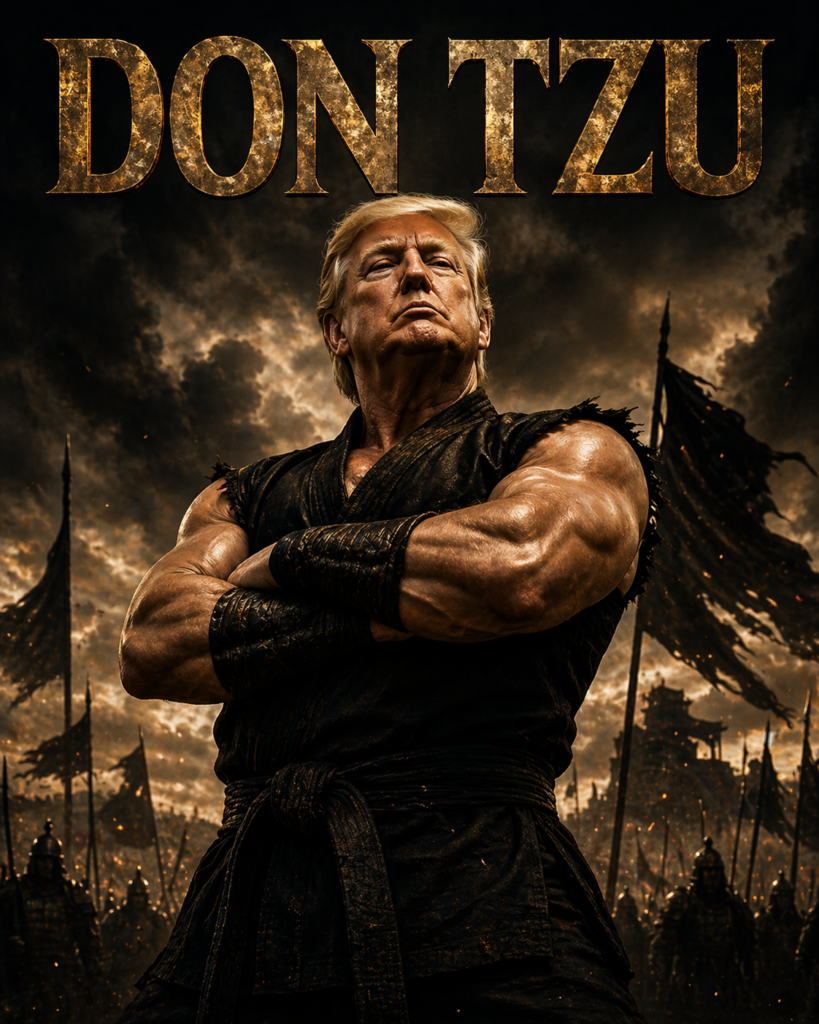
In a bold reimagining of ancient warfare, US President Donald Trump aka “Don Tzu” on Tuesday unveiled what experts are calling a “historic breakthrough” in military doctrine: extending a ceasefire not by time, but by vibes.
The move, announcing that hostilities with Iran will remain paused “until they submit a proposal,” has left analysts scrambling to determine whether they are witnessing diplomacy, brinkmanship, or a late-night negotiation at a midtown steakhouse.
Military historians were quick to draw comparisons to Sun Tzu, author of The Art of War, though many noted key differences.
“Sun Tzu advised that all warfare is based on deception,” said one analyst. “This appears to be based on indecision.”
In the original text, Sun Tzu wrote: ‘He will win who knows when to fight and when not to fight.’
Under the emerging “Don Tzu” doctrine, the principle has reportedly evolved into:
→ ‘He will win who keeps saying two weeks until everyone forgets what week it is.’
Indeed, what began as a firm “two-week window” for escalation has now morphed into an open-ended pause, with officials clarifying the timeline as “whenever Iran feels ready,” a framework sources confirmed was previously used in extended family group chats and unfinished home renovations.
Critics say the approach risks sending mixed signals.
“You have warships deployed, pressure mounting, and then the message is essentially: ‘Take your time, get back to us,’” said a former diplomat. “It’s less shock and awe, more wait and see.”
Supporters, however, argue the strategy reflects a new kind of psychological warfare.
“By constantly shifting positions—threatening strikes, then delaying them, then redefining the delay—the opponent is left confused,” one ally said. “We certainly are, however intelligence suggests eventually Iranians will be hooked on anti-depressants and just give up,”
The White House declined to comment on whether the ceasefire might be extended further, though insiders suggested it could depend on “how strong the proposal looks” and whether it is delivered “with confidence,” White house did not comment on what vibes might be required to reach a super duper deal with Iran.
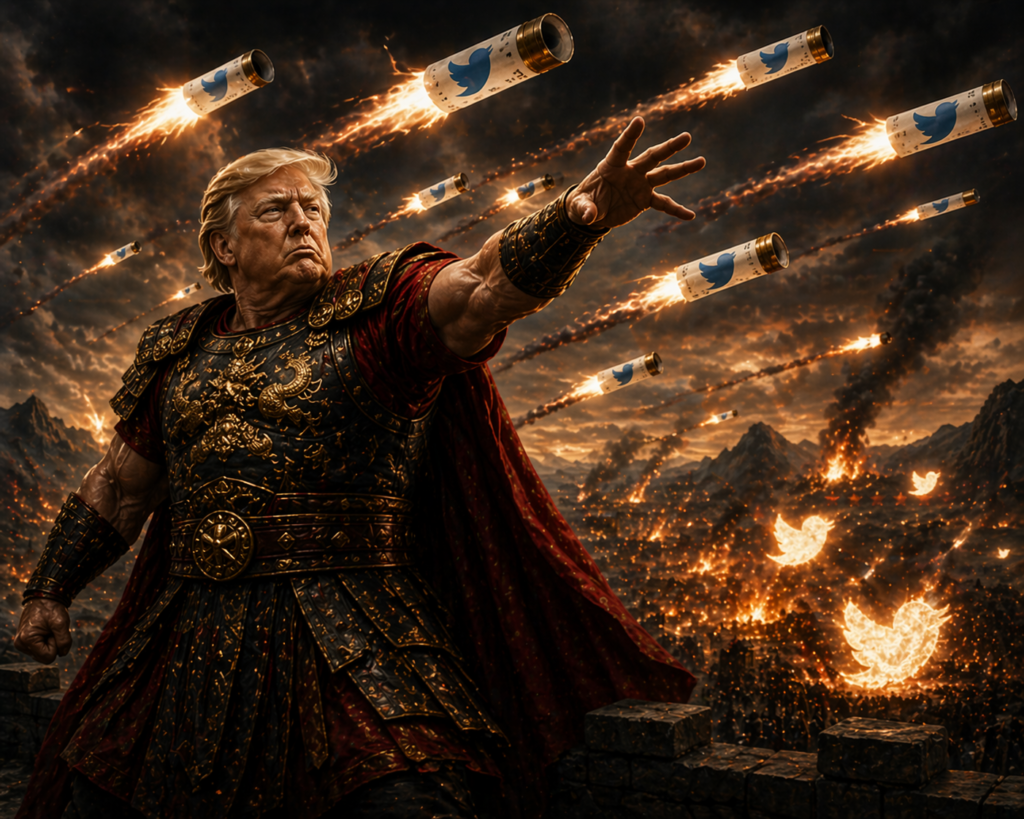
Meanwhile, military planners continue to operate under a new set of guidelines reportedly circulating in draft form:
- Appear unpredictable
- Maintain maximum leverage
- Announce deadlines
- Extend deadlines
- Redefine deadlines
- Repeat
Back in 5th century China, Sun Tzu cautioned against prolonged conflict, warning that “there is no instance of a nation benefiting from extended warfare.”
In Washington, officials appear to have adapted the principle for modern use:
There is, however, benefit in extending the announcement of warfare indefinitely, especially if the other side hasn’t emailed back yet.
As of press time, the ceasefire remained in effect, the proposal remained unsent, and the timeline remained, according to one official, “very strong, very flexible.”