
• Mexican special forces killed Nemesio Rubén Oseguera Cervantes, known as El Mencho — the head of the Jalisco New Generation Cartel (CJNG) — during a military operation in Tapalpa, Jalisco. The raid was carried out by the Mexican Army with support from intelligence, including U.S. agencies, and involved air and ground elements.
• Oseguera was wounded in the raid and died while being airlifted to a medical facility, according to Mexican authorities. CJNG operatives resisted the operation with heavy gunfire.
• Authorities killed several other cartel members and arrested some suspects during the operation. Heavy weapons, armored vehicles, and tactical gear were also seized.
Wave of violent retaliation and public disruption
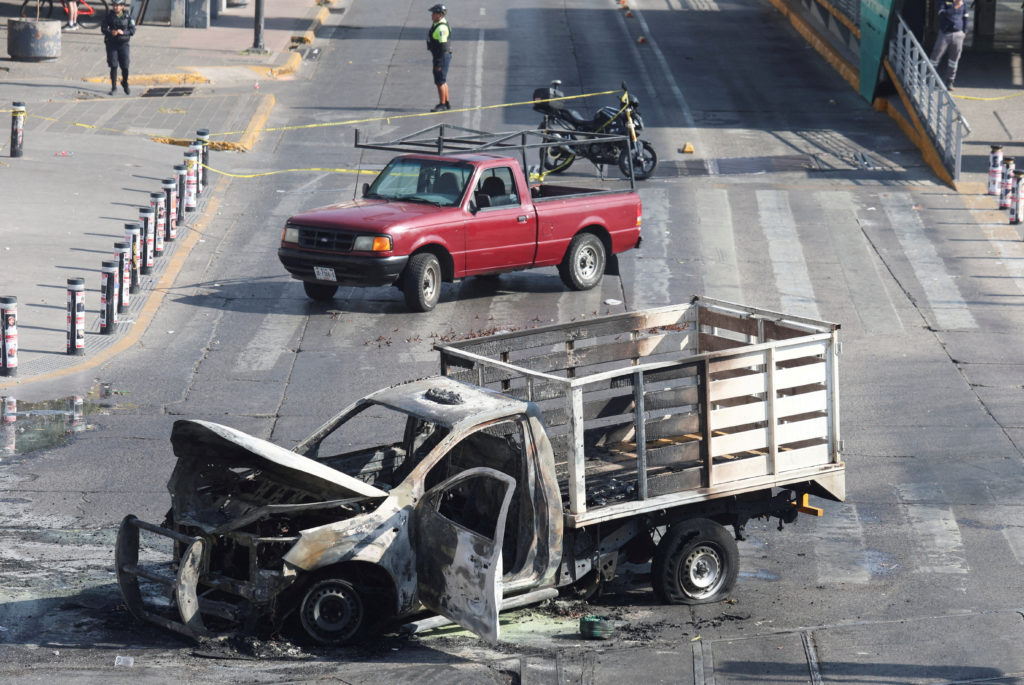
• The death of El Mencho triggered widespread violent backlash from CJNG cells across at least half a dozen Mexican states. This included road blockades, burning vehicles, attacks on infrastructure, and gun battles, particularly in Jalisco, Michoacán, Colima, Guanajuato and Tamaulipas.
• Major population centers like Guadalajara saw significant disruption, with highways blocked and civilians sheltering indoors. Flights to and from resort cities such as Puerto Vallarta were cancelled amid the unrest.
• Governments including those of the United States, Canada and Sweden issued safety warnings and advisories for their citizens in affected regions.
Political and international reaction
• Mexican President Claudia Sheinbaum urged calm and said the vast majority of the country was functioning normally, stressing cooperation between federal and state authorities after the operation.
• U.S. officials publicly confirmed intelligence support was provided for the operation, with the White House framing El Mencho’s death as a significant blow against drug trafficking networks that supply illegal drugs — especially fentanyl — into the United States.
Significance and possible fallout
• El Mencho was one of Mexico’s most wanted cartel bosses with an international reach; the U.S. had offered up to $15 million reward for information leading to his capture.
• Security analysts note that while removing a cartel leader can disrupt operations, it also creates risks of internal power struggles, splintering, and further violence as rival factions vie for control.