
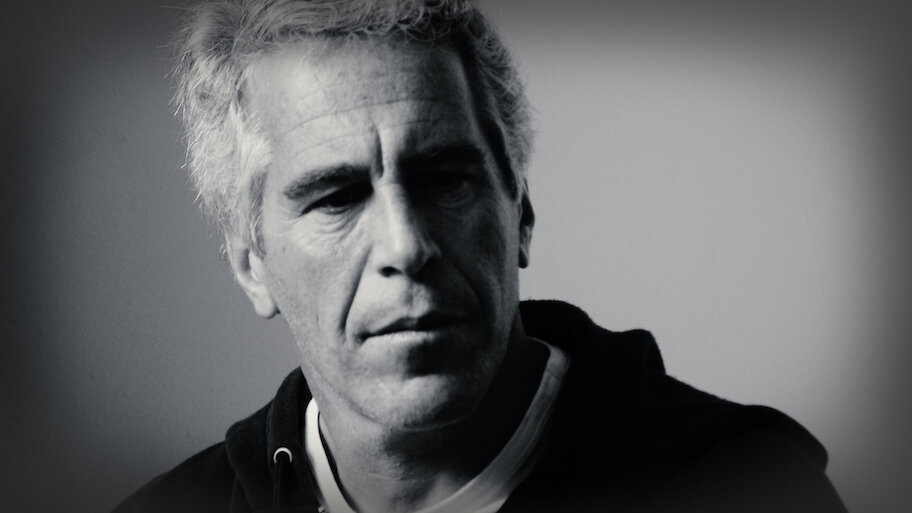
Newly released documents from the U.S. Department of Justice show that disgraced financier Jeffrey Epstein sought to build a far-reaching network of political and business influence across the Middle East, a campaign that has now sparked significant fallout in the region.
The most immediate consequence came in Dubai, where DP World announced the resignation of its long-serving chief executive and chair, Sultan Ahmed Bin Sulayem. Two sources with direct knowledge of the matter said the decision followed renewed scrutiny after Bin Sulayem’s name appeared in the Epstein files, which include emails and messages detailing past interactions between the two men.
According to the documents reviewed by Reuters, Epstein and Bin Sulayem exchanged correspondence in which they discussed personal matters and social introductions facilitated by Epstein. Reuters said it could not independently verify the full scope of the material or determine precisely what prompted DP World’s leadership change, though sources linked the move directly to concerns raised by the disclosures.
Dubai’s ruler subsequently issued a decree appointing new leadership at Dubai’s Ports, Customs and Free Zone Corporation, one of several senior roles previously held by Bin Sulayem. Neither Bin Sulayem nor DP World responded publicly to requests for comment.
Being named in the files does not constitute evidence of criminal wrongdoing. However, following confirmation by U.S. lawmakers that Bin Sulayem’s name appeared in the DOJ release, major international backers raised concerns. Britain’s development finance institution, British International Investment, and Canada’s La Caisse pension fund both announced pauses on new investments with DP World pending clarification and corrective action.
After DP World confirmed the leadership changes, both institutions welcomed the move and signalled their intention to continue working with the company under its new management, particularly on port projects in Africa and elsewhere.
Beyond Dubai, the DOJ documents point to a broader pattern of Epstein attempting to insert himself into sensitive political and economic discussions across the Middle East. The files suggest he offered unsolicited advice to Qatari figures during the 2017–2021 blockade imposed by Saudi Arabia, the UAE, Bahrain and Egypt, urging Doha to de-escalate tensions and adjust its diplomatic posture.
Epstein also encouraged Qatar to consider steps that might improve relations with the administration of then-U.S. President Donald Trump, including closer engagement with Israel or large financial gestures tied to terrorism-related compensation funds. Qatar ultimately maintained its independent course, and the regional rift was resolved in 2021.
The documents further show Epstein exchanging views on Saudi Aramco’s proposed initial public offering, warning that a public listing could expose the kingdom to legal risks. In later correspondence, he floated alternative financing ideas involving China. Saudi Aramco declined to comment on the emails.
In Egypt, emails referenced a request for assistance following the 2011 overthrow of former president Hosni Mubarak. A lawyer for Mubarak’s son, Gamal Mubarak, said the family had no knowledge of Epstein and never sought or received help from him, describing any forwarded emails as incidental and without context.
Reuters said it was unable to determine how much influence Epstein actually wielded in the region, or whether his advice was acted upon. What is clear, however, is that the newly released files underscore the breadth of his efforts to cultivate elite connections worldwide — and the reputational and institutional consequences that continue to surface years after his death.