
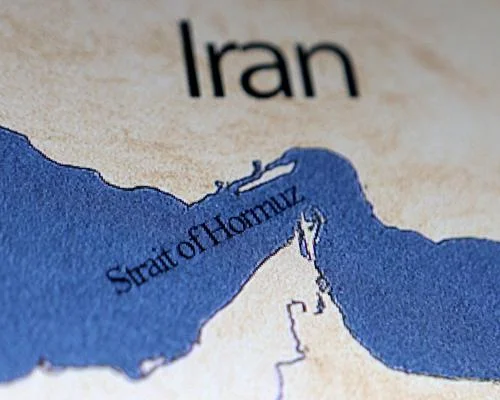
The Gulf Cooperation Council urged the United Nations Thursday to approve force to protect the Strait of Hormuz.
Iran has effectively blocked the vital shipping lane, threatening fuel supplies and destabilizing the global economy in retaliation.
GCC Secretary-General Jasem Mohamed AlBudaiwi said Iran prevented commercial vessels from passing and imposed conditions on limited transits.
He addressed the first Security Council meeting on GCC cooperation, attended by Saudi Arabia, UAE, Bahrain, Qatar, Kuwait, and Oman.
AlBudaiwi called on the council to act decisively to protect maritime routes and ensure safe international navigation.
Bahrain proposed a draft resolution allowing states to use force to guarantee free transit through the strait.
The United States supports the measure, but the 15-member council remains divided over military authorization for enforcement.
Russia, China, and France have raised objections, citing potential escalation and the need for a political settlement.
Chinese Ambassador Fu Cong said authorizing force would legitimize unlawful action and worsen the crisis in the region.
Russia, a Tehran ally, opposes one-sided measures, insisting that underlying causes of the conflict must be addressed.
French President Emmanuel Macron described a military operation to reopen the strait as “unrealistic” under current circumstances.
The sixth draft authorizes “all defensive means necessary,” adding language to emphasize protection rather than aggression, diplomats confirmed.
The Security Council vote is scheduled for Friday, amid warnings about threats to global trade and energy security.
Bahrain’s Foreign Minister Abdullatif bin Rashid Al Zayani said adoption would demonstrate international unity on protecting a critical waterway.
US Ambassador Mike Walz stressed that no nation should hold global economies hostage during regional disputes over the strait.
About one-fifth of the world’s oil and liquefied natural gas normally passes through the Hormuz, making closure highly disruptive.
Global supplies of oil, LNG, and fertilizer are already affected, contributing to rising energy prices and market instability.