
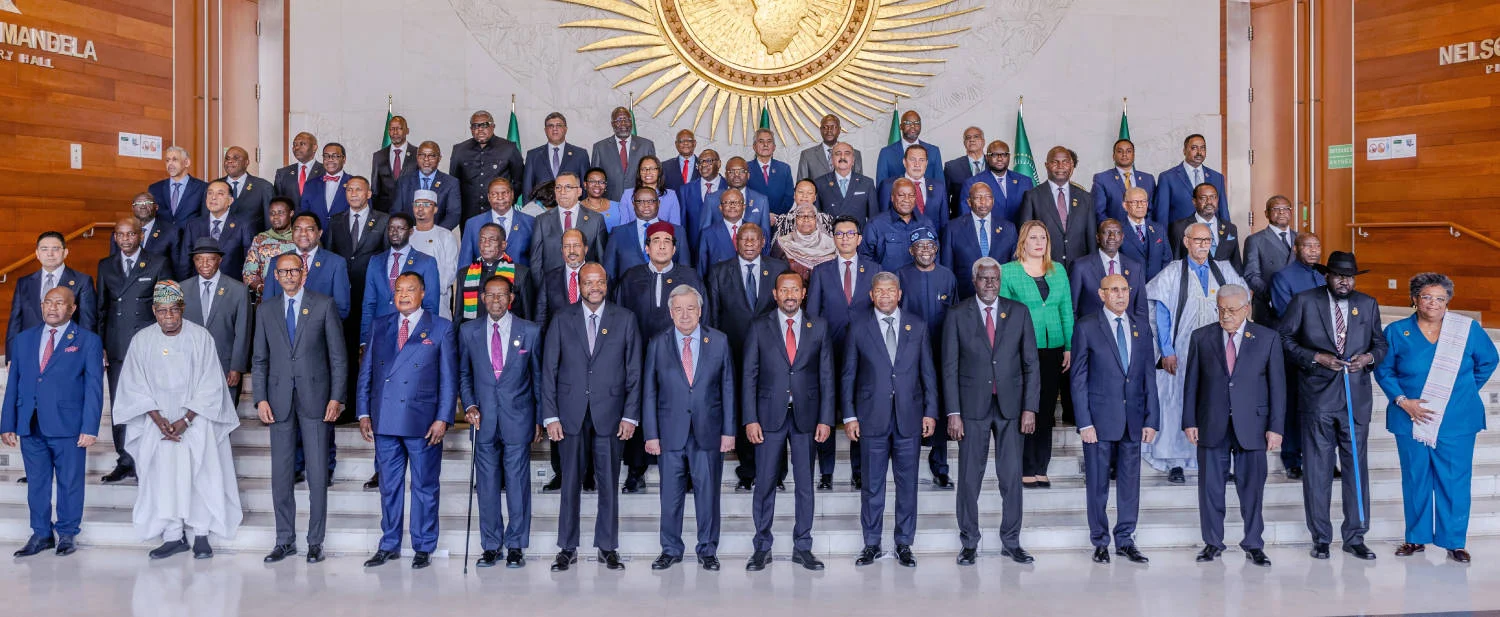
A deepening feud between Saudi Arabia and the United Arab Emirates is casting a long shadow over this weekend’s African Union summit.
Diplomats say most African leaders will avoid choosing sides as tensions ripple across the fragile Horn of Africa.
The rivalry began in Yemen but has crossed the Red Sea into a region already fractured by wars and political fault lines.
Conflicts in Somalia and Sudan now intersect with bitter rivalries between Ethiopia and Eritrea.
The UAE has expanded its influence through billion-dollar investments, assertive diplomacy and discreet military partnerships across the region.
Saudi Arabia has moved more quietly, but diplomats say Riyadh is building alliances with Egypt, Turkey and Qatar.
“Saudi has woken up,” a senior African diplomat said, warning that Riyadh fears losing influence over Red Sea shipping lanes.
Analysts say Gulf involvement is compelling governments and armed factions to align with one side or the other.
Michael Woldemariam said some regional actors view the UAE’s foreign policy as increasingly muscular and expansive.
Saudi officials argue Emirati actions threaten their national security, while Emirati leaders say they are stabilising states against extremism.
U.N. and Western officials contend some interventions have fuelled conflict, an accusation the UAE denies.
Tensions intensified after Israel considered recognising Somaliland, prompting Somalia to cut ties with Abu Dhabi.
Mogadishu signed a defence pact with Qatar, while Turkey deployed fighter jets in a show of force.
In Sudan’s war, sources say the UAE backs the Rapid Support Forces, while Saudi-aligned states support the General Abdel Fattah al Burhan’s army.
Across the Horn, analysts warn the region risks becoming an arena for Middle Eastern rivalries.
As leaders gather, the question lingers whether Africa’s eastern gateway can resist being pulled further into a distant power struggle.