
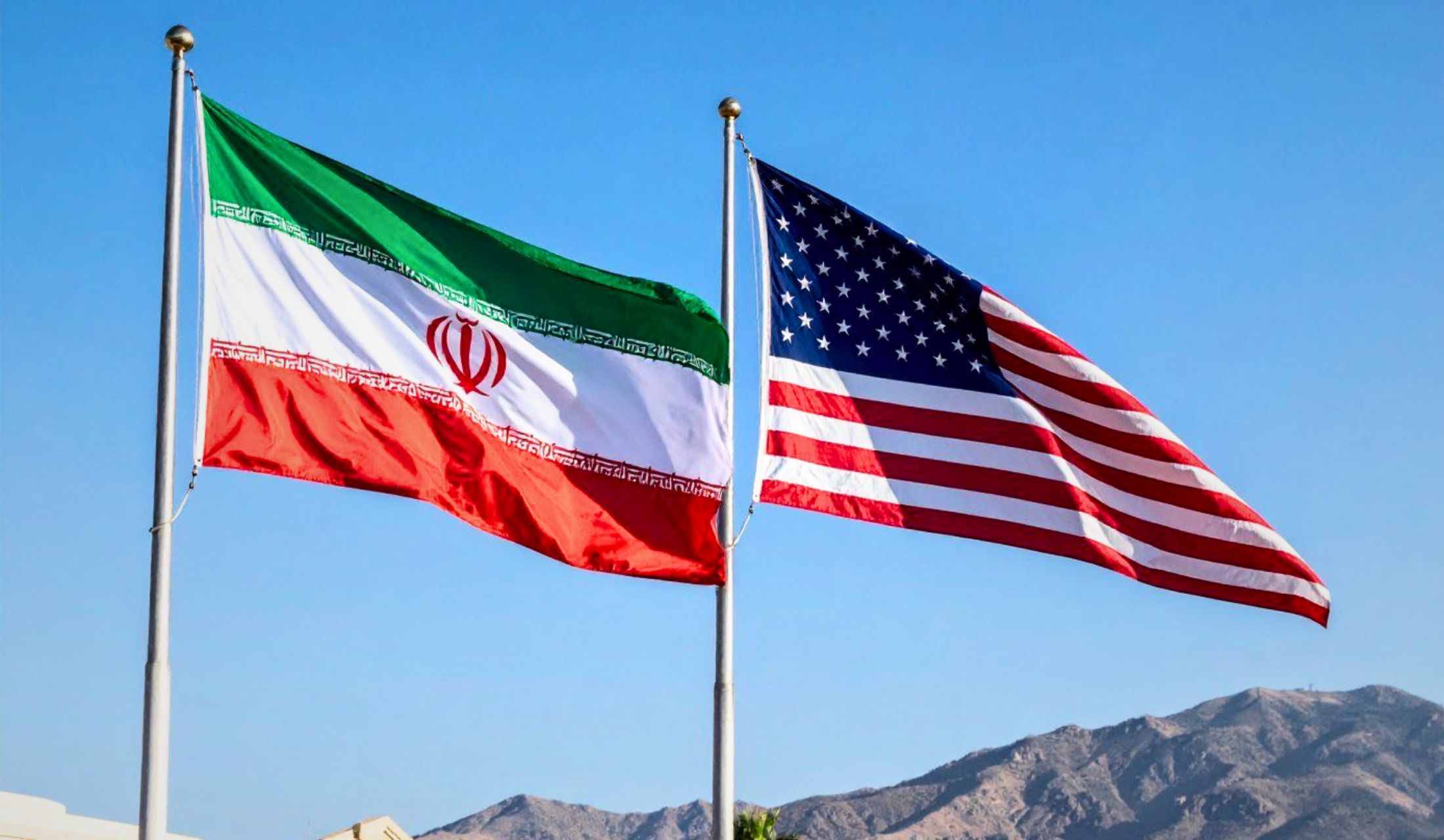
Iran and the United States prepared for high-stakes talks in Oman on Friday, testing diplomacy while Washington refused to rule out military action.
The meeting marks the first direct engagement since US strikes on Iranian nuclear sites during Israel’s war with Tehran in June.
US envoy Steve Witkoff and Iranian Foreign Minister Abbas Araghchi are leading delegations in Muscat, a discreet venue long favoured for quiet mediation.
Iranian state media said Araghchi arrived late Thursday, as Tehran framed the talks as a duty to preserve peace through diplomacy.
Iran’s foreign ministry urged Washington to approach discussions with seriousness and realism, signalling cautious openness amid deep mistrust.
The talks come weeks after mass protests in Iran, violently suppressed according to rights groups, leaving thousands dead nationwide.
President Donald Trump said Iran was negotiating to avoid attack, citing the deployment of a powerful US naval “armada” nearby.
Trump has shifted focus from protest repression to curbing Iran’s nuclear programme, which Western powers fear aims at weaponisation.
Vice President JD Vance said Trump would pursue non-military options first, while keeping force available if diplomacy fails.
Regional leaders urged restraint, with Germany warning of escalation and Turkey saying both sides appeared to favour diplomacy.
Disagreements persist over missiles and proxy forces, issues Iran resists but Washington hopes to fold into a broader framework.
As US warships move closer, Iran warned it would strike American bases if attacked, framing the choice starkly as compromise or war.